

Beijing/Washington, May 21, 2026 — China has withheld approval for a planned visit by Elbridge Colby, the U.S. Pentagon’s undersecretary of defense for policy, as leverage in pressing President Donald Trump to clarify his stance on a major arms deal for Taiwan, according to people familiar with the discussions.
Colby had discussed a potential summer trip to Beijing with Chinese officials to advance military-to-military talks. However, Beijing has signaled it cannot greenlight the engagement until the Trump administration decides how to proceed with the $14 billion weapons package for Taiwan. The package reportedly includes Patriot interceptor missiles, National Advanced Surface-to-Air Missile Systems (NASAMS), anti-drone equipment, and other air-defense systems aimed at bolstering the island’s defenses against potential Chinese threats.
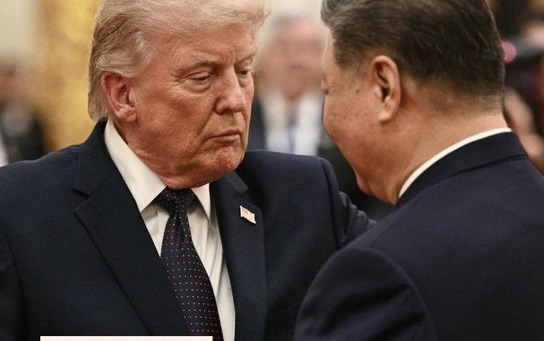
The move underscores Beijing’s strategy of linking defense diplomacy to the sensitive Taiwan issue. It follows Trump’s recent summit with Chinese President Xi Jinping, during which the U.S. leader described the pending arms sales as a “very good negotiating chip.” Trump has delayed notifying Congress of the package despite bipartisan support and Taiwan’s readiness to fund it, leaving Taipei in a state of uncertainty.
This development comes early in Trump’s second term, as the administration balances efforts to manage tensions with China while fulfilling commitments under the Taiwan Relations Act. Taiwan has been awaiting formal approval and delivery of the systems to counter growing military pressure from Beijing, which claims the democratically governed island as its territory.
A Pentagon spokesperson declined immediate comment, while Chinese officials have not publicly addressed the reported delay in Colby’s visit. The impasse highlights the fragile state of U.S.-China military relations, even as broader economic and diplomatic channels remain active following the leaders’ recent meeting.
More Read

Analysts note that such linkages are not unprecedented, with Beijing frequently using access and engagements as tools to influence U.S. policy on Taiwan. For its part, the U.S. maintains a policy of “strategic ambiguity” on defending Taiwan but has ramped up arms support in recent years.
The situation continues to evolve, with Trump indicating he would make a determination on the arms package “over the next fairly short period.” Taiwan’s leadership has emphasized that its security cannot be subject to external negotiations.