


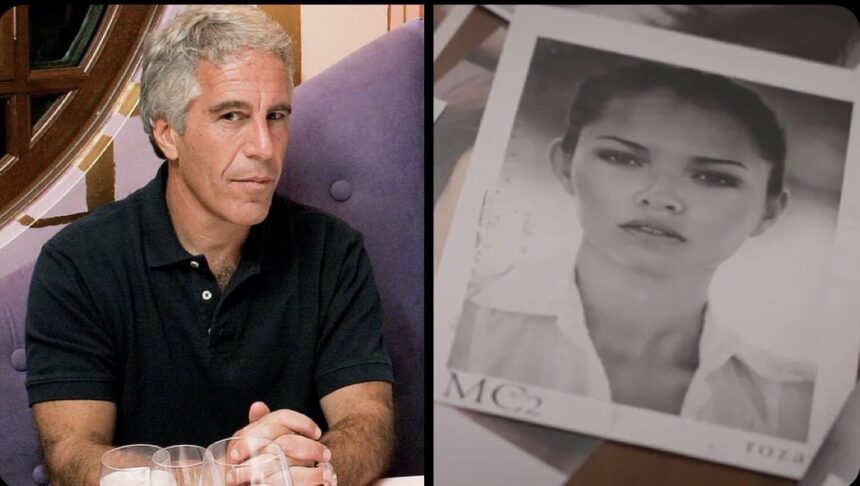
A survivor of Jeffrey Epstein has publicly described for the first time how the late financier sexually assaulted her in the summer of 2009 while he was serving a jail sentence under a controversial work-release program in Palm Beach County, Florida. Roza Gilles, then an 18-year-old model from Uzbekistan, said Epstein wore an ankle monitor during the attack at his Florida Science Foundation office. A uniformed sheriff’s deputy was nearby, joked with Epstein, and left without intervening.
The account comes from an exclusive CNN interview published in mid-July 2026 by reporters MJ Lee and Nicky Robertson. Gilles decided to speak out after the U.S. Department of Justice released Epstein-related files that published her name and years of correspondence without her consent.
How Epstein’s 2008 Plea Deal Enabled Continued Abuse
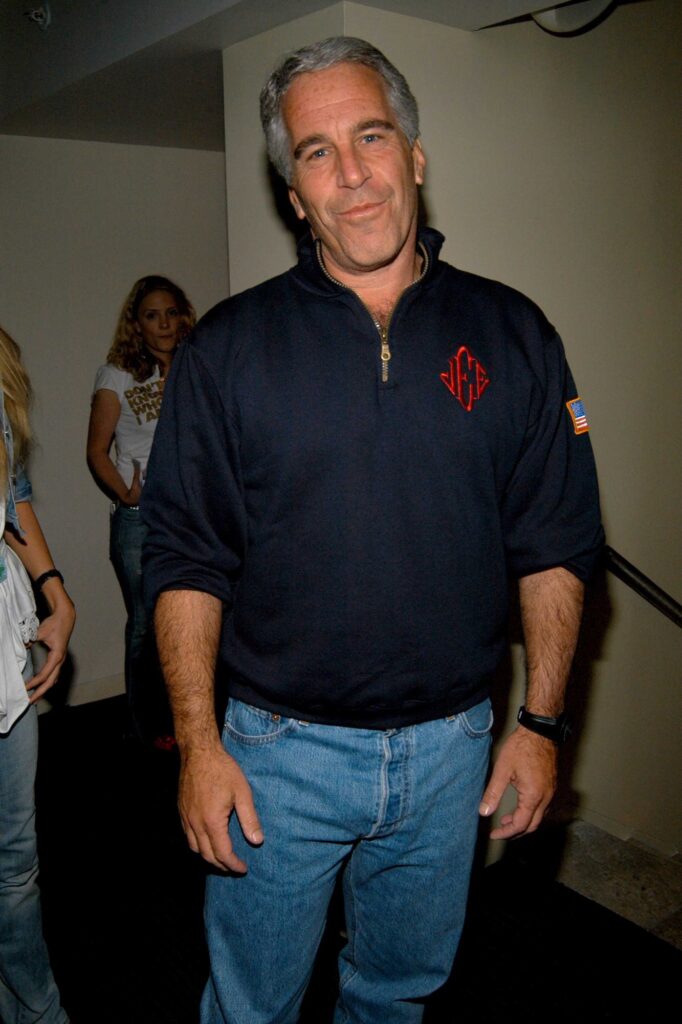
Source: Patrick McMullan / Getty Images
Jeffrey Epstein pleaded guilty in 2008 to state charges of soliciting prostitution from a minor in Florida. The deal, negotiated in part by then-U.S. Attorney Alex Acosta, allowed him to avoid federal sex-trafficking charges. He received a 13-month sentence in the Palm Beach County Stockade but was granted extensive work-release privileges.
Under the arrangement, Epstein could leave jail for up to 12 to 16 hours a day, six or seven days a week, to work at the Florida Science Foundation, a nonprofit he created in 2007. The foundation’s office was located in a high-rise on Australian Avenue in West Palm Beach. He wore an ankle monitor for much of the period and was supposed to have limited contact with certain people. By the summer of 2009, his schedule had expanded further, and he could also spend time at his West Palm Beach mansion.
More Read

Critics have long called the arrangement a “sweetheart deal.” Multiple women have alleged that Epstein continued sexual abuse during these hours outside custody. The Palm Beach County Sheriff’s Office ended its work-release program in late 2019 after renewed scrutiny following Epstein’s federal arrest and death.
Recruitment Through Epstein’s Modeling Network and the First Assault
Gilles was contacted in Uzbekistan around 2008 by modeling agent Jean-Luc Brunel, who had longstanding ties to Epstein. Brunel’s agency, MC2 Model Management, received financial support from Epstein. Gilles arrived in the United States on a visa in 2008 or early 2009 and quickly accumulated thousands of dollars in debt to the agency for visa fees and rent.
More Read

In the summer of 2009, the agency directed her to Epstein’s Florida Science Foundation office for what was presented as weekend receptionist work to help with her finances. On her first day on the 14th floor of the Palm Beach building, she found a woman massaging Epstein’s feet. Epstein, wearing an ankle monitor with a blinking light, asked about the device. He and the woman laughed. He then ordered Gilles to remove her shirt. The other woman unbuttoned her blouse, removed her bra, and left the room. Epstein sexually assaulted Gilles that day.
Gilles told CNN she froze during the incident. She later learned the full context of the ankle monitor and Epstein’s conviction. The abuse continued on weekends in West Palm Beach and later extended to New York after Epstein’s formal house-arrest period ended. It lasted about three years, according to her account. She described Epstein as showing no remorse.
Two other women who spoke to CNN anonymously said they were also abused at the same office during Epstein’s work-release period. They described the space as having elevators with frequent visitors and white noise machines. Epstein followed a routine of coffee, muffins, and naps. His ankle monitor sometimes triggered alerts that required him to step outside.
The Sheriff’s Deputy Incident That Convinced Gilles No One Would Intervene
Gilles recalled one morning at Epstein’s West Palm Beach mansion when a uniformed Palm Beach County sheriff’s deputy entered the area where she was present. She initially hoped the officer would stop the abuse. Instead, the deputy laughed and joked with Epstein, wished him a good day, and walked out without speaking to her or taking any action.
“After I saw that sheriff, I understood that no matter what you do, this man will never be stopped, and regardless of whether you scream and shout from the top of the universe, nobody would care,” Gilles said in the CNN interview. The experience left her believing the system protected Epstein.
More Read

Other survivors have described similar situations in which deputies were present or nearby during alleged assaults and appeared intimidated by or deferential to Epstein.
Payments to the Palm Beach County Sheriff’s Office and Destroyed Visitor Logs
Epstein’s Florida Science Foundation paid the Palm Beach County Sheriff’s Office $128,136 for off-duty deputies who monitored him during work release. The deputies, sometimes called permit deputies, were tasked with documenting visitors to the office. Financial records released in 2019 confirmed the payments, which covered overtime for dozens of officers.
Deputies maintained visitor logs. A Florida Department of Law Enforcement review later examined hundreds of those records and found no clear violations of unauthorized contact rules. However, the logs were destroyed according to the agency’s records-retention policy. Some 2019 reporting noted that certain logs became unavailable when journalists requested them.98
In 2021, the Florida Department of Law Enforcement concluded that no criminal activity occurred on the part of any Palm Beach County Sheriff’s Office member related to Epstein’s housing, supervision, or work-release details. The office has maintained that Epstein met the formal criteria for the program at the time. Separate testimony in 2026 from a former Epstein assistant alleged additional informal payments of cash and Disneyland tickets to at least one deputy for special treatment inside the jail, though those claims have not resulted in new charges.95
Name Release in DOJ Files and Gilles’ Decision to Speak Publicly
Gilles kept her experiences private for years. She eventually left Epstein’s orbit after building an independent modeling career, moved to the Midwest, married, and became a fitness coach. She has said she feared for her safety and visa status while under Epstein’s influence.
In 2026, Department of Justice releases of Epstein files included her full name and correspondence. She told CNN the government failed to protect her identity despite earlier promises to survivors. “It was my story to tell. It wasn’t something I wish anybody read,” she said. The disclosure prompted her to share details with CNN for the first time.83
Gilles has expressed support for efforts to investigate alleged co-conspirators but has not joined public advocacy campaigns in the same way as some other survivors. She described the long-term impact as leaving a permanent scar.
Ongoing Questions About Accountability
The revelations add to long-standing criticism of how Epstein’s 2008 case was handled. A 2020 Justice Department review found that Acosta exercised poor judgment in not notifying victims about the non-prosecution agreement but stopped short of finding professional misconduct. Epstein died by suicide in a New York jail in August 2019 while awaiting trial on federal sex-trafficking charges.
Advocates continue to call for fuller examination of people who allegedly enabled or participated in the abuse network. Gilles’ account underscores how the work-release structure allowed Epstein to operate with limited oversight even while under formal supervision. The Palm Beach County Sheriff’s Office has not publicly commented on the specific deputy incident described by Gilles in response to the latest CNN reporting.
This story highlights systemic failures that permitted a convicted sex offender to continue harming young women while technically in custody. Survivors like Gilles emphasize that the full scope of accountability remains incomplete more than 15 years later.