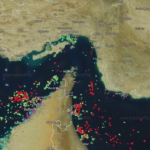


BEIJING — A Chinese naval fleet is reportedly en route to the Strait of Hormuz to provide escort for oil tankers, raising the prospect of direct naval friction with U.S. forces enforcing a blockade on Iranian shipping. The move comes as China seeks to protect its critical energy imports from Iran amid the ongoing conflict.
China purchases approximately 90% of Iran’s oil exports, making any sustained disruption to flows through the strait a direct threat to Beijing’s energy security. With the waterway already seeing a 95% collapse in commercial traffic, Beijing appears unwilling to accept prolonged supply shortfalls that could affect its economy.
China’s Strategic Stake in Iranian Oil
Iran’s crude has become a vital lifeline for China, especially as Western sanctions have limited Tehran’s other buyers. In recent years, China has absorbed the vast majority of Iran’s roughly 1.5–1.6 million barrels per day of exports, often through shadow fleet tankers using complex shipping arrangements to evade restrictions.
The U.S. naval blockade, which targets vessels entering or leaving Iranian ports, directly squeezes this supply line. While some Chinese-linked tankers have tested the blockade using evasion tactics such as spoofed signals and alternative routing, a sustained reduction in volumes poses risks to China’s refining industry and broader energy stability.
By deploying naval escorts, China would signal its determination to safeguard freedom of navigation for its commercial interests while challenging the enforceability of the U.S. measures.
More Read

From Regional Conflict to Potential U.S.-China Naval Tension
The reported deployment marks a significant escalation in the international dimension of the conflict. Until now, the standoff in the Strait of Hormuz has primarily involved U.S. and Iranian forces, with occasional incidents involving third-party vessels. A Chinese naval presence introduces a new layer of complexity.
U.S. Central Command (CENTCOM) has maintained that the blockade is enforced impartially against traffic to and from Iranian ports while preserving freedom of navigation for vessels heading to non-Iranian destinations in the Gulf. However, Chinese escorts accompanying tankers loading Iranian oil would likely test the boundaries of that policy.
Analysts note that such a move could transform a regional dispute into a broader great-power naval standoff. Both the United States and China have significant naval assets in or near the region, and any direct confrontation even short of hostilities would carry substantial risks for global stability and energy markets.
More Read

Broader Implications for Energy Security and Diplomacy
The situation highlights the interconnected nature of global energy supplies. Asia, particularly China, India, and other importers, has already felt the effects of reduced Gulf exports through higher prices and tightening inventories. Fertilizer and natural gas supplies have also been disrupted, compounding economic pressure across multiple sectors.
For Beijing, the calculus involves balancing its long-standing relationship with Iran against the need to avoid open conflict with Washington. China has publicly criticized the U.S. blockade as “dangerous and irresponsible,” while continuing quiet diplomatic engagement aimed at de-escalation.
If confirmed, the naval escort mission would demonstrate China’s willingness to project power beyond its traditional near seas to protect overseas economic interests. It also raises questions about precedent: could similar actions occur in other contested waterways in the future?
Meanwhile, the Trump administration has shown no signs of easing the blockade, viewing it as an effective tool to pressure Iran on its nuclear program and regional activities without immediate large-scale strikes.
Outlook and Risks Ahead
The reported Chinese fleet movement adds urgency to ongoing backchannel diplomacy. Mediators, including Pakistan and some Gulf states, continue efforts to find a path toward de-escalation, but mutual distrust remains high.
A naval standoff in the Strait of Hormuz would carry multiple dangers: miscalculation leading to incidents at sea, further spikes in global oil prices, and complications for shipping insurance markets already under strain. It could also accelerate shifts in global energy trade patterns, with buyers seeking more diversified and secure sources.
More Read

As the situation develops, the world will watch closely to see whether the deployment results in direct confrontation or serves primarily as a show of resolve to strengthen China’s negotiating position. For now, the prospect of U.S. and Chinese naval forces operating in close proximity in one of the world’s most critical chokepoints underscores how quickly a regional conflict can draw in major powers with global consequences.