

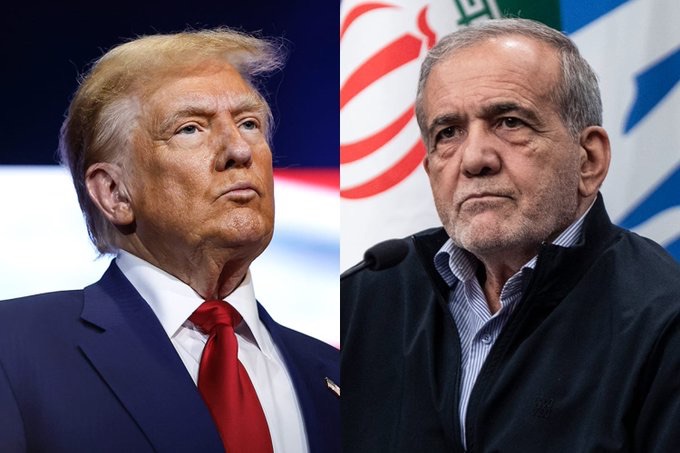
WASHINGTON — President Donald Trump has rejected Iran’s latest proposal to reopen the Strait of Hormuz in exchange for lifting the U.S. naval blockade while delaying nuclear negotiations. Trump insists any agreement must address Iran’s nuclear program upfront, stating the blockade will remain in place until Tehran agrees to a comprehensive deal.
The decision comes amid heightened tensions following months of conflict. Iran had proposed reopening the critical waterway — through which roughly one-fifth of global oil passes — in return for ending the blockade, with nuclear issues to be discussed later. Trump dismissed the phased approach, arguing it would weaken U.S. negotiating position.
Trump’s Strategy: Blockade Over Immediate Strikes
Trump has described the ongoing naval blockade as highly effective, claiming it is “somewhat more effective than the bombing.” In recent comments, he stated that Iran is “choking like a stuffed pig” and that conditions for the regime “are going to be worse.” He also claimed Iran’s oil storage facilities and pipelines are under severe strain and “getting close to exploding.”
As of Tuesday night, Trump had not ordered additional military strikes. However, U.S. Central Command (CENTCOM) has prepared a “short and powerful” contingency plan targeting Iranian infrastructure. The approach appears designed to use sustained economic pressure to force Iran back to the negotiating table on Washington’s terms rather than rushing into further kinetic operations.
This strategy reflects a calculated preference for economic leverage. By maintaining the blockade, the U.S. aims to intensify pressure on Iran’s already strained economy without immediately escalating to broader infrastructure attacks that could disrupt global energy markets even further or trigger wider regional retaliation.
Iran’s Response and Warnings
Iran has pushed back strongly against the continued blockade. Tehran warns that the U.S. measures “will soon be met with practical and unprecedented action.” Iranian officials argue the blockade is designed to collapse the regime from within and have urged national unity in the face of external pressure.
The Strait of Hormuz remains a flashpoint. Any prolonged closure or disruption carries significant risks for global oil supplies and shipping. Energy markets have already reacted with volatility, and further escalation could push prices higher at a time when many economies are sensitive to energy costs.
Weighing Military Options Against Economic Pressure
The availability of a ready CENTCOM strike plan gives the administration flexibility. Targeted strikes on infrastructure could be used if the blockade alone fails to produce movement. Yet Trump’s public emphasis on the blockade suggests he sees greater value in letting economic pain build while keeping the option of force in reserve.
This approach differs from earlier phases of the conflict, where direct strikes were more prominent. It also highlights a broader question in U.S. foreign policy: how to balance immediate military power with longer-term coercive diplomacy when dealing with a resilient adversary like Iran.
For the Trump administration, the goal remains clear — preventing Iran from advancing its nuclear capabilities while avoiding a protracted ground conflict or actions that could destabilize global energy flows excessively. Success depends on whether the regime in Tehran feels sufficient pressure to make meaningful concessions on its nuclear program.
Global Implications and Next Steps
The standoff carries consequences well beyond the region. Allies and trading partners reliant on stable oil supplies from the Gulf are watching developments closely. A prolonged blockade risks higher energy prices and supply chain disruptions at a sensitive moment for the world economy.
Diplomatic channels, including mediation efforts involving Pakistan, remain active. Iran is expected to submit a revised proposal in the coming days. Whether that offer will include concrete steps on the nuclear file will likely determine if the current impasse can be broken.
As of now, Trump continues to project confidence that the blockade will deliver results. He has urged Iran to “get smart soon” and reach an agreement. At the same time, the prepared strike options serve as a visible reminder that patience has limits.
The coming weeks will test whether sustained economic pressure can succeed where previous rounds of sanctions and military actions fell short. For both sides, the stakes are high: Iran faces deepening isolation and internal strain, while the U.S. must manage the delicate balance between coercion and the risk of unintended escalation in one of the world’s most volatile regions.