

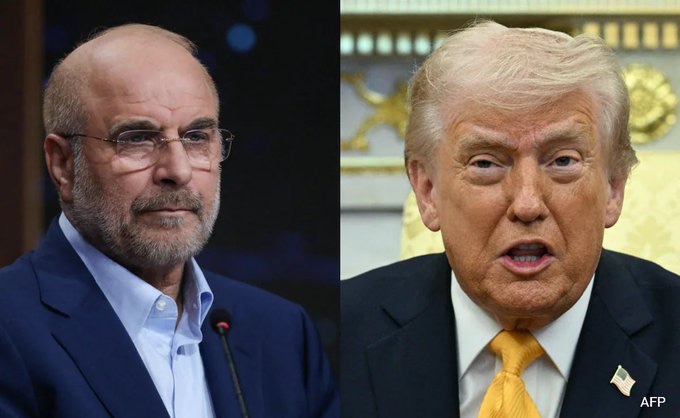
TEHRAN — A senior Iranian lawmaker has issued a strong warning to the United States, stating that Washington must accept Iran’s core demands or confront the unified resistance of the Iranian people. The remarks come as diplomatic efforts to resolve the standoff over the Strait of Hormuz and Iran’s nuclear program remain stalled.
Ali Nikzad, Deputy Speaker of Iran’s Majlis (Parliament), made the comments during a public address. He emphasized that Iran views both its nuclear energy program and sovereignty over the Strait of Hormuz as inviolable rights that will not be compromised. Nikzad described Iran and the broader “resistance axis” as inseparable, signaling strong continued support for regional allies.
Context of the Deputy Speaker’s Defiant Message
The statement follows Iran’s recent proposal to reopen the Strait of Hormuz in exchange for the lifting of the U.S. naval blockade, while postponing nuclear negotiations. President Trump has rejected this phased approach, insisting that any deal must address Tehran’s nuclear activities immediately.
Nikzad’s language reflects a firm rejection of what Iran calls “American arrogance.” He demanded a complete halt to U.S. aggression, full withdrawal of American forces from the region, the lifting of all sanctions, and payment of war reparations. The deputy speaker asserted that Iran reserves the right to vengeance and warned that further pressure would be met with determined national resistance.
Such rhetoric is common from Iranian officials during periods of high tension. It serves both domestic and international purposes: rallying public support at home while signaling to Washington and its allies that Iran will not yield under economic or military pressure.
Hardline Stance Versus Ongoing Backchannel Talks
The deputy speaker’s comments contrast with quieter diplomatic activity. Iran reportedly sent its latest proposal through Pakistani intermediaries, and the Trump administration has been reviewing it. However, U.S. officials have expressed dissatisfaction because the plan delays discussions on limiting Iran’s nuclear program.
By issuing a public hardline message, Iranian leaders may be trying to strengthen their negotiating position. They appear to calculate that projecting unity and readiness for prolonged confrontation could encourage the U.S. to offer more concessions rather than risk further escalation.
At the same time, the remarks carry risks. They could harden attitudes in Washington, where Trump has already described the blockade as highly effective and suggested Iran is under severe strain. CENTCOM maintains contingency plans for targeted strikes on Iranian infrastructure if the current pressure fails to produce results.
Strategic Importance of the Strait of Hormuz
Control over the Strait of Hormuz remains the central flashpoint. Roughly one-fifth of global oil trade passes through this narrow waterway. Prolonged disruption or threats to close it entirely could trigger sharp increases in energy prices worldwide and affect economies far beyond the Middle East.
Iran has repeatedly highlighted its ability to disrupt shipping in the strait as a key deterrent. Nikzad’s speech reinforced this by stating that Iranian forces maintain full control and will not hesitate to use this strategic asset if necessary. Iran has also hinted at coordinated actions with allies, including potential closure of the Bab el-Mandeb Strait by Yemen’s Houthis.
For the United States, the goal is to convert the current naval blockade and economic pressure into concrete limits on Iran’s nuclear ambitions and regional proxy activities without triggering a wider conflict or major oil supply shock.
What This Means for Diplomacy and Escalation Risks
The combination of public defiance from Tehran and private proposals creates a complex negotiating environment. Iran’s leadership appears determined to avoid any perception of surrender, while the Trump administration shows little appetite for a deal that leaves the nuclear issue unresolved.
This dynamic increases the chance of miscalculation. If Iran perceives the blockade as an existential threat, it may respond with actions it has so far avoided. Conversely, if the U.S. interprets the deputy speaker’s words as evidence of bad faith, it could accelerate contingency planning for strikes.
Regional actors, including Gulf states, Israel, and European partners, are closely monitoring developments. Higher oil prices and fears of renewed direct confrontation are already influencing global markets and energy security calculations.
As talks continue behind the scenes, public statements like Nikzad’s serve as a reminder of the deep mistrust and competing red lines on both sides. Breaking the current impasse will require creative diplomacy that addresses Iran’s demand for sanctions relief and sovereignty guarantees while satisfying U.S. concerns over nuclear proliferation and regional stability.
For now, the Iranian deputy speaker’s warning adds another layer of tension to an already volatile situation. Whether it ultimately helps or hinders the path to a negotiated outcome remains to be seen in the coming weeks.