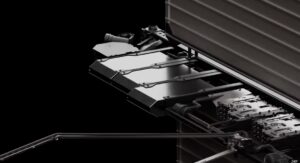


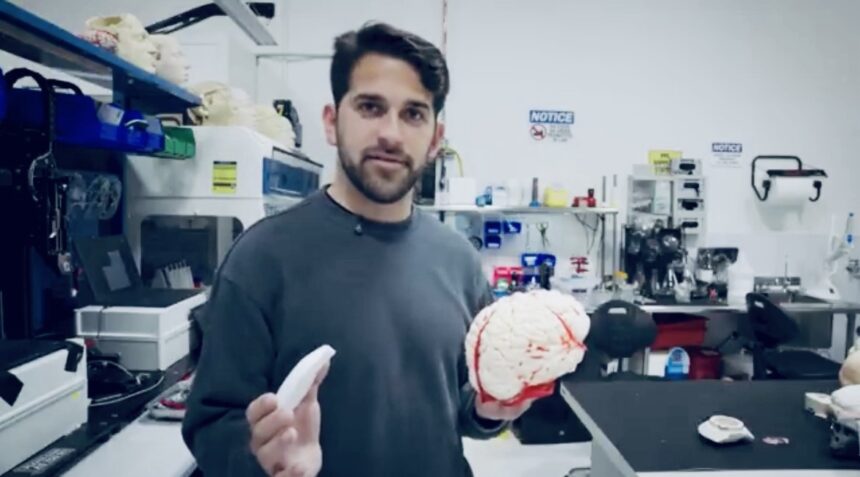
Neuralink just dropped some genuinely exciting news yesterday. For the first time in their clinical trials, surgeons inserted the company’s ultra-thin electrode threads straight through the dura, the brain’s natural protective membrane, without cutting it open.
This might sound like a small tweak, but in brain surgery, it’s a big deal.

Source: Kr-asia.com
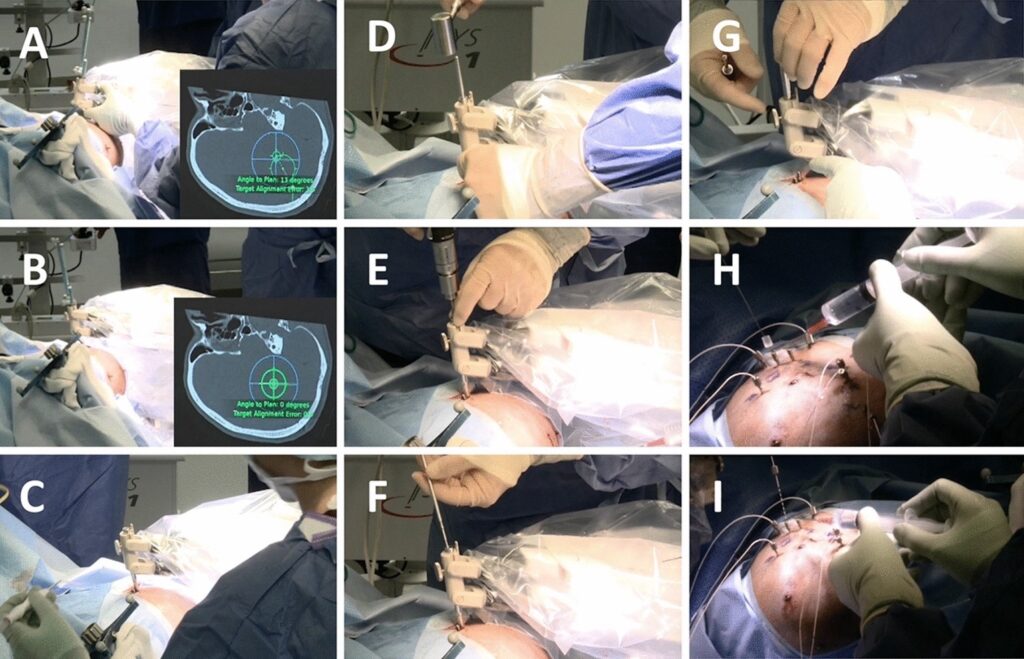
Normally, neurosurgeons have to make an incision in the dura with a scalpel to reach the brain surface. It’s one of the trickier manual steps. Neuralink’s new approach called a transdural insertion leaves that tough “armor” completely intact.
Why Bother Keeping the Dura Intact?
The dura is thick over 10 times thicker than Neuralink’s hair-thin threads in some spots. Plus, the brain is always moving underneath it, and important blood vessels hide just out of sight. Getting this right took serious engineering: advanced imaging, robotic precision, and a lot of preclinical testing.
Source: Nature
Neuralink summed it up nicely: the best step is no step at all. Removing the need for a durectomy (that cutting step) could make the whole surgery safer, more consistent, and much easier to do at scale. That’s huge if they want to help more people beyond early trial participants.
More Read

The procedure happened back in May 2026 at Toronto Western Hospital, part of University Health Network in Canada. It’s the same place where they did some of the first Neuralink implants outside the US. The patient started controlling a computer cursor with their thoughts just an hour after surgery, and recovery is going well so far.
What This Means for Patients and the Future
This is still early days. Neuralink’s N1 implant and R1 robot are investigational devices not yet approved by regulators like the FDA. The trials focus on helping people with quadriplegia from spinal cord injuries or ALS control computers and devices using just their minds.
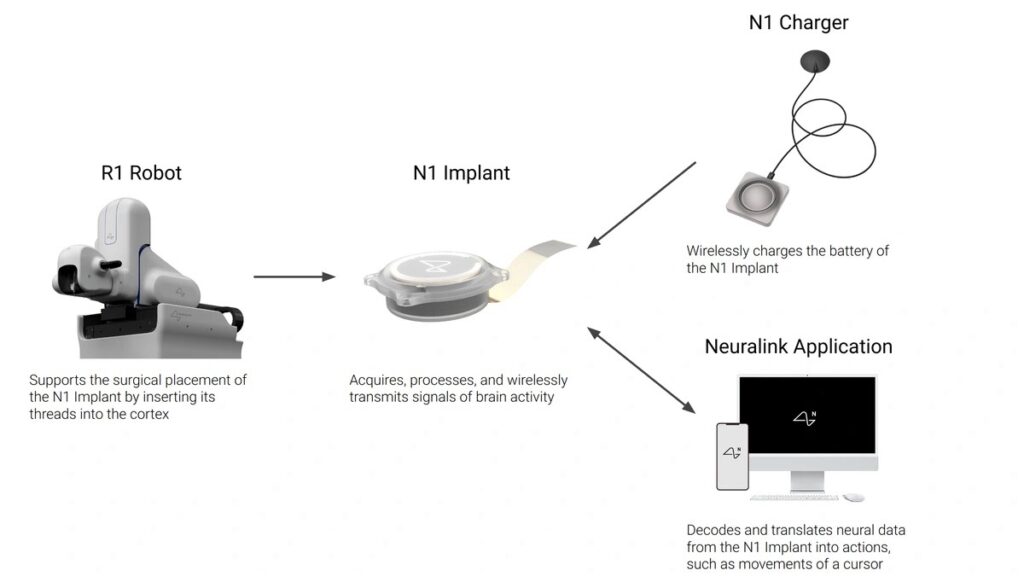
But skipping the dura cut could reduce risks like infection or fluid leaks. It also simplifies things for surgeons, which matters a lot when you’re talking about rolling this out more widely.
More Read

If it holds up across more patients, this kind of refinement is exactly what moves brain-computer interfaces from groundbreaking experiments toward real-world tools that could restore independence for many people.
Watching This Space
Neuralink has been steadily improving their tech better threads, better surgery, better results. This transdural milestone fits right into that pattern. The full details, including videos walking through the technique, are up on their official X account.
What do you think game-changer for accessibility, or still too early to tell? Drop your thoughts below.
(Note: All information comes directly from Neuralink’s public updates and trial context. Always check official sources for the latest on clinical trials.)