


GENEVA — The World Health Organization has confirmed five cases of hantavirus infection aboard the MV Hondius expedition cruise ship, including three deaths, prompting renewed global health concerns as the vessel sails toward Spain’s Canary Islands under strict quarantine.
The tweet by crypto trader Merlijn Trader highlighted the development, noting a reported 40% mortality rate among the confirmed cases and comparing it to the much lower initial estimates for COVID-19. While the post correctly stated that most hantavirus strains do not spread easily between humans, health officials have noted that the specific Andes virus strain involved in this outbreak is one of the few known to allow limited person-to-person transmission under certain conditions.
The MV Hondius was on an Antarctica cruise when symptoms first appeared in early April. Three passengers have died, and five others are infected. The ship was denied entry by several ports, including Cape Verde, before Spanish authorities agreed to accept it under full isolation protocols.
Understanding Hantavirus and This Outbreak
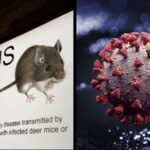
Hantavirus is a family of viruses primarily transmitted to humans through contact with infected rodents or their droppings, urine, or saliva. Most strains cause hemorrhagic fever with renal syndrome (HFRS) or hantavirus pulmonary syndrome (HPS), both of which can be severe.
The current cases involve the Andes virus, a South American strain known for its higher severity and rare ability to spread between humans through close contact, particularly in the early symptomatic phase. This makes the cruise ship environment particularly concerning due to the confined quarters and shared facilities.
More Read

There is no specific antiviral treatment or vaccine for hantavirus. Medical care is supportive, focusing on managing symptoms such as fever, respiratory distress, and kidney failure. Fatality rates vary significantly by strain and access to intensive care, with some forms reaching 40% in severe cases.
WHO’s Involvement and Risk Assessment
The WHO has issued guidance and is working with Spanish authorities and the cruise operator to monitor the situation. The organization has described the global risk as currently low to moderate but stressed the importance of strict isolation and contact tracing to prevent any potential spread on land.
Passengers and crew will undergo thorough medical screening upon arrival in the Canary Islands. Spanish health officials have emphasized that the ship and all individuals on board will remain in quarantine until the situation is fully assessed.
More Read

A separate hantavirus case reported in Israel has been confirmed as unrelated to the cruise ship outbreak and was acquired during travel in Eastern Europe.
Public Reaction and Misinformation Concerns
The news has spread rapidly on social media, with some posts amplifying fear by focusing on the reported 40% mortality rate and drawing comparisons to the early days of COVID-19. Others have criticized the reporting as exaggerated or sensationalized.
Health experts have urged caution against panic. They note that hantavirus does not spread through casual contact like respiratory viruses and that most human cases are linked to direct exposure to rodents in endemic areas. The cruise ship setting, however, creates unique risks due to the close proximity of passengers.
Some commentators have accused certain accounts of scaremongering for engagement, while others worry that governments may be overly cautious due to lingering effects from the COVID-19 pandemic.
What Happens Next
The MV Hondius is expected to arrive in the Canary Islands in the coming days. Spanish authorities, in coordination with the WHO and international partners, will continue strict isolation measures, testing, and contact tracing.
For the cruise industry, already sensitive after the COVID-19 era, this incident represents another challenge to restoring public confidence in the safety of group travel.
More Read

As the situation develops, the WHO will provide updated guidance and risk assessments. While the current outbreak appears contained to the ship, health officials remain vigilant for any signs of wider transmission.
The incident serves as a reminder of the persistent risks posed by zoonotic diseases and the challenges of managing potential outbreaks in mobile, confined environments like cruise ships.