

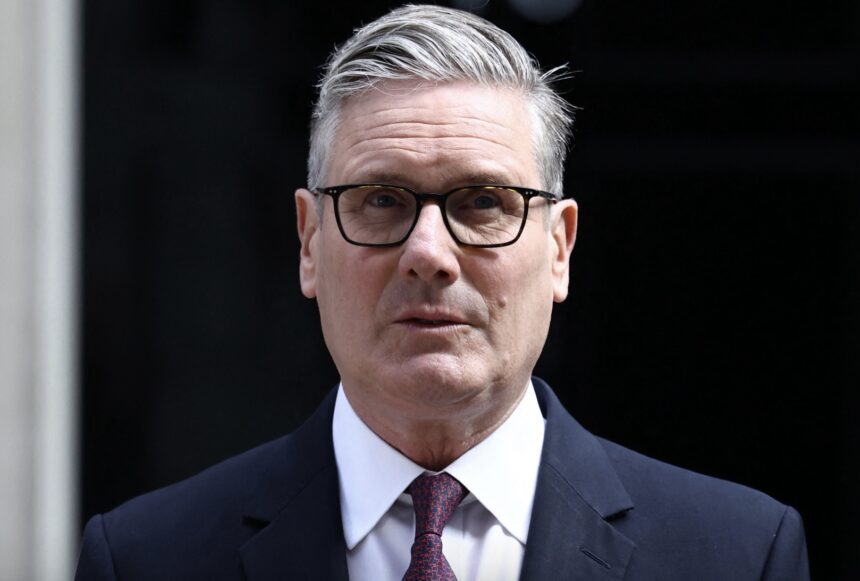
Keir Starmer announced this morning that he is resigning as leader of the Labour Party and will leave Downing Street within weeks. The move came after weeks of mounting pressure from within his own ranks, a humiliating by-election defeat, and widespread public frustration with the government’s record on the economy, migration and crime.
Standing outside Number 10 in an emotional address, Starmer said he had spoken to the King earlier and informed him of his decision. He thanked his “fantastic wife Vic” and spoke of wanting to spend more time being the best dad he could to his children. Becoming prime minister, he said, had been the proudest moment of his life, and every decision he took was about putting the country first. But he accepted with “good grace” that his parliamentary party no longer backed him to continue.
The announcement spread fast. One of the first posts to break it wide open on X carried the simple line “🚨 BREAKING: Keir Starmer has resigned as Prime Minister of the UK” and quickly racked up tens of thousands of likes and millions of views. Replies poured in within minutes – some cheering, some mocking, plenty just relieved it was finally over.
Starmer took office in July 2024 after Labour won a landslide majority on a promise to bring stability after years of Conservative chaos. Less than two years later he has become the latest in a long line of short-lived prime ministers. Depending how you count it, Britain has now had six or seven leaders in roughly a decade. The revolving door at Downing Street shows no sign of slowing.
His time in power was marked by tough economic conditions he inherited, but also by choices that failed to land with voters. Growth stayed sluggish. Energy bills remained high. Net migration hit record levels even as the government talked tough. Knife crime and grooming gang scandals continued to dominate headlines in parts of the country. A series of missteps – including rows over tax rises that hit pensioners and a messy handling of summer unrest – left many Labour MPs wondering if the man who won them their big majority was still the right person to lead.
More Read

The final straw came last week when Andy Burnham, the popular Greater Manchester mayor, won a by-election in Makerfield with a huge majority. Burnham had been positioning himself as a potential challenger for months. His victory gave restless backbenchers the excuse they needed to move against Starmer. By the weekend, reports were already circulating that the prime minister would be forced to set out a timetable for his departure.
This morning he did exactly that. A new Labour leader should be in place by the time Parliament returns in September, meaning Britain could have its next prime minister before the summer is out. Burnham has already confirmed he will stand. Other names are being mentioned, but he is the clear favourite among many in the party right now.
Reactions on social media and in the street have been raw. Plenty of people posting under the original breaking news thread simply wrote “good riddance” or “worst PM of all time.” Others shared the now-familiar meme about Larry the Cat, the Downing Street resident who has now outlasted seven prime ministers. Some pointed out that Starmer lasted longer than Liz Truss’s infamous lettuce, but that was faint praise at best.
More Read
Not everyone was dancing. A few replies defended him, saying he inherited a mess from the Tories and did his best in difficult circumstances. Others warned that swapping one Labour leader for another won’t fix the deeper problems – open borders, high taxes, net-zero policies that hit ordinary families, and a sense that the political class has lost touch with the country.
The truth is, Starmer’s resignation changes the faces at the top but not necessarily the direction of travel. Labour still holds a large majority. The same backbench pressures, the same civil service inertia and the same difficult economic numbers will face whoever takes over. Burnham talks a more populist line on some issues, but the party machine remains the same.
For the Conservatives, still licking their wounds after losing power in 2024, this is an opportunity to regroup. They will watch the Labour leadership contest closely and hope any new prime minister struggles to steady the ship. Reform UK and smaller parties will no doubt claim vindication for their criticism of the mainstream.
What happens next is anyone’s guess, but the pattern is familiar. Another prime minister leaves early. Another leadership contest begins. Another round of speculation about who can finally deliver the stability voters keep asking for. Britain has been here before, many times.
Starmer will stay on as caretaker prime minister until his successor is chosen. He leaves behind a party that won power promising change and ends up handing over after a short, bruising spell that left many of its own supporters disillusioned. Whether the next occupant of Number 10 can do any better remains to be seen. The country, and the long-suffering public, will be watching closely.