

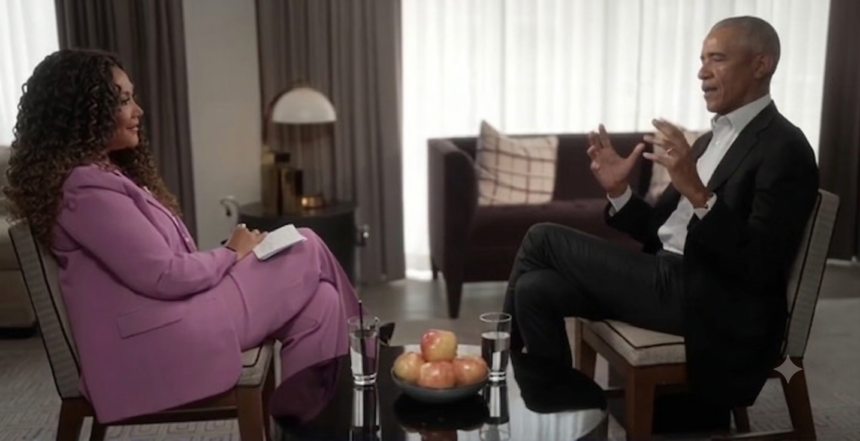
Former President Barack Obama has offered a thoughtful reflection on one of America’s most revered leaders, George Washington. In recent comments, Obama said it is possible to admire Washington greatly while recognizing his ownership of enslaved people. He emphasized that this acknowledgment does not erase the first president’s contributions to the nation.
The remarks, shared widely on social media including by the account Clash Report, come from an appearance on MS NOW. Obama described the Founding Fathers as brilliant figures who provided essential democratic tools despite their serious flaws. “It is possible for me to be a great admirer of George Washington and also acknowledge he was a slaveholder. And that does not negate his greatness,” Obama stated.
He continued by noting the deep contradictions in American history. “That simply acknowledges that there is a profound deep flaw in these Founding Fathers who were also geniuses and gave us these tools. Which is true of all of us right? It’s true of every president. We’re this mixed bag. We’ve got contradictions and embody the country’s contradictions.”
Historical Background on Washington and Slavery
George Washington owned enslaved individuals throughout much of his life. He inherited some as a child and managed a large plantation at Mount Vernon where hundreds lived and worked under his control. Historical records show that by the end of his life Washington had arranged in his will to free the people he personally owned after his wife Martha passed away. This step set him apart from many other prominent Virginians of his era.
Washington privately expressed regret over slavery in later years and stopped purchasing additional enslaved people. Yet he operated within the economic and social realities of 18th century Virginia where the practice was widespread. The Constitution itself included compromises related to slavery to help unite the young nation.
More Read

Obama’s perspective highlights this complexity. Many early American presidents including Thomas Jefferson and James Madison also held enslaved people. At the same time the Declaration of Independence and other founding documents promoted ideals of liberty that later inspired movements to end slavery and expand civil rights.
Why This Message Matters Today
Obama’s comments arrive amid ongoing national conversations about how to teach and remember American history. Debates continue over monuments presidential legacies and the role of slavery in the country’s origins. Some voices call for greater emphasis on the flaws of historical figures while others stress their achievements in creating a republic that could improve over time.
The former president stressed balance. He pointed out that all leaders carry contradictions and that the United States itself embodies both inspiring principles and painful realities. This approach encourages Americans to study history honestly without erasing uncomfortable truths or diminishing genuine accomplishments.
More Read

Social media reactions to the clip have been mixed. Some praised the nuance while others debated the broader context of slavery in world history or questioned Obama’s own family background noting distant ancestors on his mother’s side who owned slaves.
Broader Implications for Understanding Presidential Legacies
Every American president has faced criticism and made mistakes. Obama himself acknowledged this universal truth in his remarks. His message promotes a mature way of viewing the past. It suggests that greatness can coexist with serious moral shortcomings and that the institutions built by imperfect people have allowed the country to confront and address its challenges.
As the nation approaches future anniversaries including reflections on its founding this type of discussion remains relevant. Obama who opened his presidential center in Chicago recently has often spoken about the ongoing work of perfecting the union. His latest comments on George Washington fit into that theme.
Americans continue to grapple with how best to honor the past while learning from it. Obama’s balanced take offers one path forward. It invites admiration for the Founding Fathers’ genius alongside honest recognition of their flaws. In doing so it underscores the contradictions that have shaped and continue to shape the American story.