

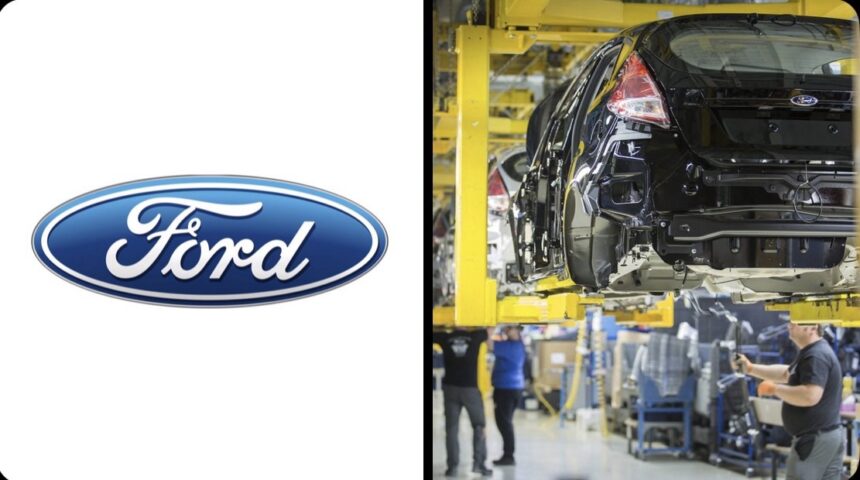
Experienced workers return to help train and improve the automaker’s artificial intelligence tools
Detroit, June 30, 2026 – Ford Motor Company has brought back more than 300 veteran engineers and quality inspectors in recent years. The company took this step after its artificial intelligence and automated quality control systems did not meet expectations.2
Ford had turned to AI tools, including hundreds of cameras in its plants, to catch defects and lower costs. The automaker reduced its reliance on experienced staff as part of this effort. Yet the automated systems struggled to match the judgment of seasoned human inspectors. This created ongoing quality problems that proved expensive to fix.
Why Ford Brought Back the Veterans
Over the past three years, Ford hired about 350 veteran engineers. Many were former employees, while others came from suppliers. These specialists, often called “gray beards” inside the company, now play a key role in fixing the issues.
They mentor younger team members. They also identify problems early in the supply chain before parts reach the assembly line. Most importantly, they help retrain and fine-tune the AI and machine learning systems.
More Read

Charles Poon, Ford’s vice president of vehicle hardware engineering, explained the change. “Artificial intelligence is a fantastic tool, but it’s only as good as the information you use to train it,” he said. He added that the company had not fully used the knowledge of its most experienced engineers in earlier years. “We recognized that for us to enhance some of our automation and machine learning and artificial intelligence tools we needed to ensure that they were trained by the most experienced individuals.”
Quality Improvements Follow the Changes
The strategy is already paying off. Ford reached the top spot among mainstream brands in J.D. Power’s Initial Quality Study. This marks the first time the company has led the ranking since 2010.
Ford described the move as part of a “talent refresh” that also included changes in leadership. The returning engineers bring decades of hands-on design and manufacturing knowledge that no current AI system can fully replace.
More Read
What This Means for the Auto Industry
Ford’s decision shows a practical approach to new technology. Instead of treating AI as a complete replacement for people, the company now uses experienced workers to make the AI better. This human-plus-AI model helps solve complex manufacturing challenges that pure automation could not handle alone.
Many other companies are watching closely. As automakers invest heavily in artificial intelligence to improve efficiency, stories like Ford’s highlight the lasting value of human expertise in building reliable vehicles.
The development comes as Ford and its competitors balance Wall Street pressure for higher profits with the real-world demands of vehicle production. Early results suggest that combining veteran knowledge with smart technology offers the best path forward.