


In a significant shift that has caught the attention of tech watchers and investors alike, Apple is speeding up its security update cadence. The company is releasing patches earlier and more frequently than its traditional schedule to stay ahead of AI-driven cybersecurity threats.
This development was highlighted in a breaking post by Polymarket on X today, June 29, 2026. It aligns perfectly with Apple’s release of iOS 26.5.2, iPadOS 26.5.2, macOS Tahoe 26.5.2, and Safari 26.5.2 updates the same day.
For millions of Apple users, this means one clear message: update your devices now. The era of waiting weeks or months for comprehensive patches is fading fast, driven by how quickly artificial intelligence is supercharging both attackers and defenders in the cybersecurity arms race.
Why Apple Is Changing Its Approach to Security Updates
Apple has long been praised for its deliberate, privacy-first approach to software releases. In the past, major security fixes often landed as part of larger iOS or macOS point releases. That model worked when threats moved at human speed.
AI has changed the game.
More Read

Attackers now use large language models and automated tools to scan code, generate exploits, and launch sophisticated attacks in hours instead of days or weeks. AI can also create hyper-personalized phishing campaigns, craft convincing deepfake social engineering attacks, and even help discover zero-day vulnerabilities faster than traditional researchers.
On the defensive side, AI helps security teams find and patch flaws quicker too. But the net effect is clear: the window between vulnerability discovery and active exploitation has shrunk dramatically.
Apple’s response? More frequent, targeted security releases — including lighter “Background Security Improvements” that fix critical components without requiring a full operating system overhaul. This allows the company to push protections to users faster while minimizing disruption.
More Read

Recent data backs this up. Throughout 2026, Apple has been on pace to set records for the number of security patches delivered across its ecosystem. The company has addressed dozens of vulnerabilities in single updates, sometimes backporting fixes to older devices that can’t run the newest OS versions.
Today’s June 29 releases (iOS 26.5.2 and companions) continue that accelerated rhythm. While specific CVE details for the newest patches are still rolling out, the timing and context make the motivation obvious: staying ahead of AI-enhanced threats.
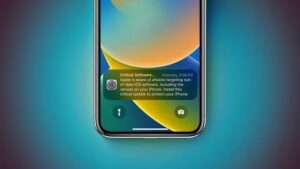
The Growing Threat Landscape: AI Is a Double-Edged Sword
Cybersecurity experts have been warning about this shift for years, and 2026 is proving them right.
AI-powered tools let malicious actors:
- Automatically reverse-engineer patches to weaponize vulnerabilities within hours of disclosure.
- Generate realistic scam messages and voice clones at scale.
- Probe millions of devices simultaneously for weak points.
- Create polymorphic malware that evades traditional signature-based detection.
At the same time, legitimate security researchers and companies like Apple are using AI to scan billions of lines of code, simulate attacks, and prioritize the most dangerous flaws.
The result is an arms race where speed matters more than ever. Traditional quarterly or monthly update cycles simply can’t keep up.
More Read

Other major players are feeling the same pressure. Microsoft, Google, and Mozilla have all increased patch frequency and volume in 2026. But Apple’s move stands out because of its massive installed base and reputation for rock-solid security.
What Today’s Updates Mean for Everyday Users
If you own an iPhone 11 or later, a recent iPad, or a Mac running macOS Tahoe (or supported older versions), the new updates are available right now.
Key benefits of installing them promptly:
- Protection against actively exploited or high-risk vulnerabilities.
- Faster delivery of critical fixes without waiting for the next big OS release.
- Continued access to the strongest security features Apple offers.
Users on older devices that can’t upgrade to the latest iOS versions have also benefited from Apple’s strategy of backporting important fixes when possible.
The practical takeaway is simple: turn on automatic updates if you haven’t already. Go to Settings > General > Software Update > Automatic Updates and enable both “Download iOS Updates” and “Install iOS Updates.”
For Mac users, enable automatic security updates in System Settings > General > Software Update > Advanced.
Delaying updates is one of the biggest risks users take with their own devices. In an environment where AI can help attackers move at machine speed, even a few days of delay can make a difference.
Industry-Wide Implications and What Comes Next
Apple’s accelerated security posture reflects a broader industry reckoning. As AI capabilities grow, every tech company is being forced to rethink how quickly it can respond to threats.
We’re likely to see:
- More background and incremental security updates across platforms.
- Greater emphasis on on-device AI for threat detection (Apple Intelligence already plays a role here).
- Increased collaboration between companies and researchers to share threat intelligence faster.
- Potential regulatory pressure for faster disclosure and patching timelines.
Prediction markets like Polymarket are already tracking related developments — from election security to tech company performance — showing how quickly the market prices in these rapid changes.
For consumers, the good news is that the companies with the biggest targets on their backs (Apple, Google, Microsoft) have the resources and incentive to stay ahead. The bad news is that smaller developers and legacy systems will struggle to keep pace.
How to Protect Yourself Beyond Just Updating
While faster Apple security updates are excellent news, they’re only one layer of defense. Here are practical steps every user should take in 2026:
- Enable automatic updates everywhere — iOS, macOS, apps, and even firmware for accessories like AirPods or Beats.
- Use strong, unique passwords and enable two-factor authentication (preferably hardware keys or authenticator apps, not SMS).
- Be cautious with links and attachments — AI-generated phishing is getting scarily good.
- Review app permissions regularly and limit what apps can access.
- Consider a reputable VPN when on public Wi-Fi, especially for sensitive activities.
- Keep an eye on your Apple ID security — regularly check for unfamiliar devices logged into your account.
- Educate family members — older relatives are often prime targets for sophisticated social engineering.
Apple continues to lead in privacy features (App Tracking Transparency, Lockdown Mode, on-device processing), but no single company can eliminate all risk. User vigilance remains essential.
The Bottom Line: A Necessary Evolution
Apple’s decision to release security updates earlier and more often isn’t just a technical tweak — it’s a direct acknowledgment that the threat environment has fundamentally changed because of AI.
The company that built its brand on “it just works” reliability is adapting its security model to a world where threats evolve at AI speed. For users, this means more frequent nudges to update, but also stronger protection when those updates arrive.
As we move deeper into 2026 and beyond, expect this accelerated rhythm to become the new normal across the tech industry. The companies that can deliver fast, reliable security fixes without compromising user experience will maintain trust. Those that can’t will face increasing pressure.
Today’s updates are a reminder: in the age of AI-driven cyber threats, staying current isn’t optional — it’s one of the most effective things you can do to protect your digital life.
Check for updates now. Your devices (and your peace of mind) will thank you.