

What Happened at Aspen
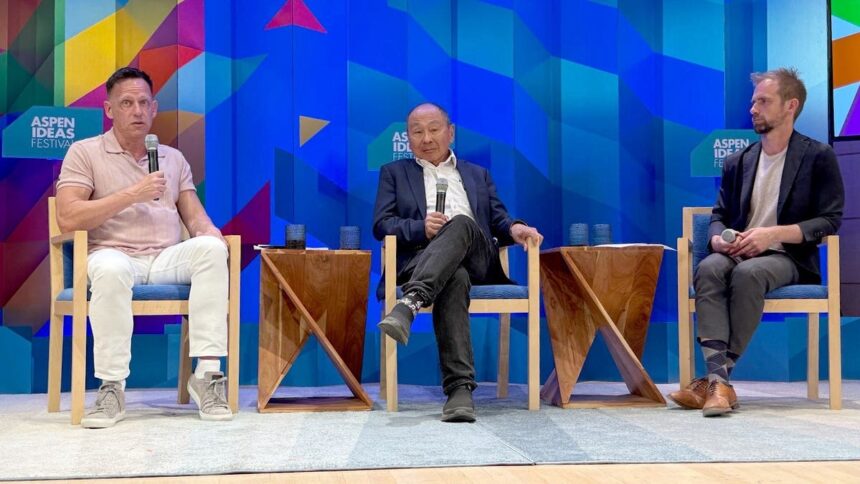
Billionaire investor and Palantir co-founder Peter Thiel accused Pope Leo XIV of inadvertently helping China during a June 30, 2026, panel at the Aspen Ideas Festival in Colorado.
Thiel argued that the Pope’s recent encyclical urging stronger international rules on artificial intelligence would slow American and Western development while leaving China free to advance unchecked. He described the position as effectively making the Pope “working for the Chinese Communists.” Attendees responded with laughter.
The remarks came during a non-recorded discussion titled “Humanity at the End of History,” where Thiel sat alongside political scientist Francis Fukuyama. Reporters present took detailed notes on the exchange.
Key Details from the Panel
More Read

Thiel framed the issue around direct competition between the United States and China in artificial intelligence. He said the Pope’s message might influence some Americans and Europeans but would have little effect inside China. The result, in his view, would tilt the playing field toward Beijing.
The comments targeted Pope Leo XIV’s first encyclical, Magnifica Humanitas, which calls for regulatory tools to protect human dignity and curb the distorting effects of powerful technology. The document emphasizes that decisions about data, algorithms, and AI must consider impacts on all people and future generations.
No transcript of the full panel exists because it was not recorded. The Vatican has not issued a public response to Thiel’s specific remarks.
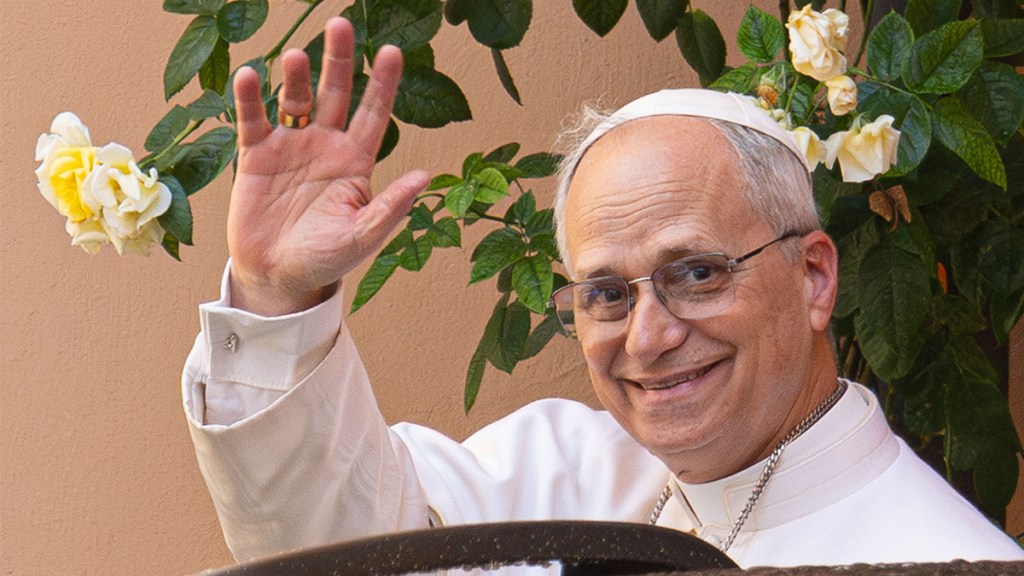
Pope Leo XIV (born Robert Francis Prevost), the first American-born pontiff in the history of the Catholic Church, smiles and waves during a public appearance.
Source: Vatican Media / Associated Press
Why This Exchange Matters
Artificial intelligence already shapes everyday life through recommendation systems, medical diagnostics, financial tools, and workplace software. The speed of its development affects jobs, national security, and economic leadership.
The United States currently leads in many foundational AI models and private-sector innovation. China invests heavily through state-supported programs and leads in certain applications such as surveillance and manufacturing automation. Any policy that slows one side more than the other carries strategic weight.
Thiel’s intervention highlights a recurring tension: calls for caution and oversight versus arguments that rapid progress preserves competitive advantage. For average Americans, this debate influences future rules on data privacy, autonomous systems, and workplace technology adoption.
Background and Timeline
Pope Leo XIV, the first American pope, signed Magnifica Humanitas on May 15, 2026 — the 135th anniversary of Pope Leo XIII’s landmark social encyclical Rerum Novarum. The new document was released publicly on May 25, 2026. It applies traditional Catholic teaching on human dignity to the challenges of artificial intelligence.
More Read

Thiel has previously explored related themes. In March 2026 he delivered a series of invitation-only lectures in Rome on the topic of the Antichrist, which drew attention from some Catholic institutions.
Timeline of key events
• March 2026: Peter Thiel holds lectures in Rome on themes including the Antichrist.
• May 15, 2026: Pope Leo XIV signs Magnifica Humanitas.
• May 25, 2026: The encyclical is published and presented at the Vatican.
• June 30, 2026: Thiel makes his comments during the Aspen Ideas Festival panel.
What Has Been Said
Thiel’s reported statement at Aspen was direct: the Pope’s stance on AI regulation amounts to “working for the Chinese Communists” because it risks slowing only the American side of the technology race.
The encyclical itself, available on the Vatican website, states that adequate regulatory tools are necessary “to uphold justice and curb the distorting effects of technological power.” It stresses that AI must serve humanity rather than reduce people to commodities.
No official statement from the Vatican or from Thiel addressing these specific Aspen remarks has been released as of July 3, 2026. The Aspen Ideas Festival has not published a full transcript or recording.
Practical Context for Readers
An encyclical is a formal teaching document issued by a pope on matters of significant importance to the Catholic Church and often to wider society. While it does not carry the force of civil law, it shapes moral and ethical discussions that can influence public opinion, policymakers, and institutions.
Current U.S. approaches to AI include executive actions on safety testing and voluntary commitments from major companies. International efforts range from the European Union’s risk-based AI Act to discussions at the United Nations and other forums. The core disagreement often centers on whether binding global rules would slow beneficial innovation or prevent harmful outcomes.
Thiel has long argued that technological stagnation poses greater risks than rapid advancement. His companies, including Palantir, focus on advanced data analytics with applications in defense and government. Pope Leo XIV’s document reflects longstanding Catholic emphasis on the dignity of work and the common good.
Frequently Asked Questions
What is Pope Leo XIV’s encyclical about?
It addresses how artificial intelligence should be developed and governed to protect human dignity, truth, work, and social justice rather than undermine them.
Why did Peter Thiel criticize the Pope at Aspen?
He argued that international AI regulation would hinder U.S. progress while China continues unchecked, giving Beijing a strategic edge.
Has the Vatican responded to Thiel’s comments?
No official response has been issued regarding the Aspen remarks.
What is the Aspen Ideas Festival?
It is an annual public gathering in Colorado that brings together leaders from business, politics, academia, and other fields for discussions on major issues.
How does AI regulation connect to the U.S.-China competition?
Rules that slow development in open societies can widen gaps if competitors operate without similar constraints, affecting economic and security advantages.
Conclusion
The exchange at Aspen illustrates how debates over artificial intelligence now intersect with geopolitics, ethics, and longstanding philosophical questions about human progress.
Whether one agrees with Thiel’s framing or the Vatican’s call for safeguards, the underlying issue remains practical: societies must decide how quickly and under what conditions to integrate powerful new tools that already affect employment, privacy, and decision-making.
The conversation is unlikely to end soon. Future policy choices in Washington, corporate boardrooms, and international forums will continue to balance innovation speed against concerns for safety and human values.