

Satellite backup promises reliable connectivity for residents, emergency services, and businesses as Atlantic storm season begins
George Town, Cayman Islands — Flow Cayman has struck a deal with Starlink to add satellite backup to its mobile network, ensuring phones and data services stay online even if hurricanes knock out fiber-optic cables or power lines. The move comes just as the 2026 Atlantic hurricane season gets underway and builds on recent regulatory changes that opened the door for satellite technology in the territory.
Country manager Bruno Delhaise outlined the plan in a June 3 interview. “If a hurricane cuts off one of our towers from the core fibre-optic network, then the tower will switch to the Starlink backup and our users will still be connected via satellite,” he said. “It’s all about resilience.”
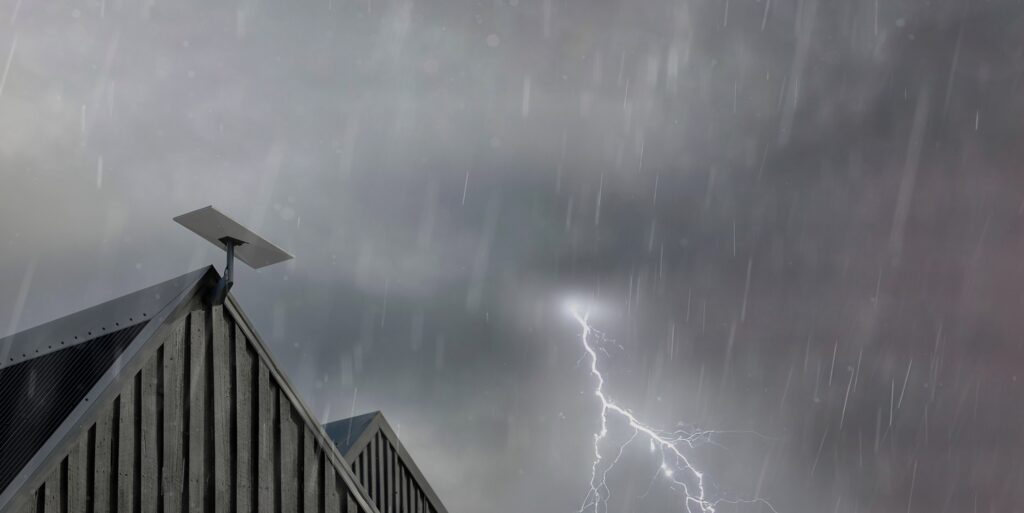
The partnership creates a layered safety net. Flow already equips every tower with backup power through generators and batteries. A separate Wi-Fi backup system lets fixed broadband customers fall back to the mobile network via a dongle. Now Starlink adds the final layer: if mobile towers lose their ground links, they route traffic through space.
How the Backup System Will Work
Starlink terminals will connect directly to Flow’s cell sites. When fiber lines fail, traffic automatically shifts to the satellite network without customers noticing a major disruption. The technology relies on Starlink’s constellation of low-Earth orbit satellites, which deliver lower latency than traditional geostationary systems and can maintain links even under challenging weather conditions.
More Read

Delhaise described the combined approach clearly: fixed connections back up to mobile, and mobile backs up to Starlink. The full rollout should finish during summer 2026, well before the peak months of August and September.
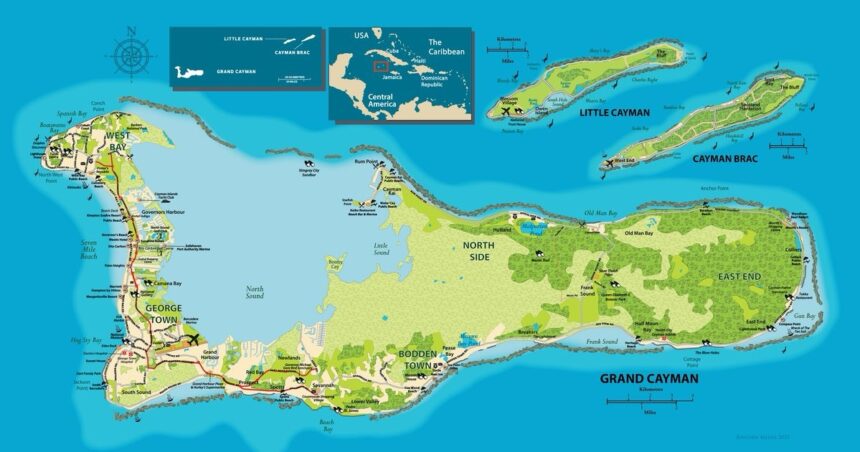
This setup matters in a place where storms can isolate communities quickly. Cayman’s three islands sit in the path of Atlantic hurricanes. Grand Cayman, the most populated, hosts the bulk of tourism, finance, and government operations that depend on constant connectivity.
Past Storms Show Why Resilience Matters
Major hurricanes have repeatedly tested Cayman’s infrastructure. Hurricane Ivan in 2004 brought Category 4 winds and widespread flooding that damaged homes, businesses, and utility lines across Grand Cayman. Communications suffered alongside power outages, complicating rescue efforts and leaving families without ways to check on relatives.
More Read

Hurricane Paloma struck Cayman Brac directly in 2008 as a strong Category 4 storm, causing similar disruptions. More recent systems have also produced power and cable cuts that lasted days in some areas. In each case, emergency coordinators, hospitals, and residents struggled when phone and internet service dropped.
Reliable communication during these events saves time and lives. First responders can coordinate resources. Families can confirm safety. Businesses can maintain some operations or at least keep customers informed. Tourists, who form a major part of the economy, expect to stay connected even in bad weather.
Regulatory Changes Made the Partnership Possible
The deal would not have happened without updated rules. In September 2025 the Utility Regulation and Competition Office (URCO) decided to allow satellite-based telecom providers to operate in Cayman. Starlink received its licence in December 2025. Delhaise credited the regulator directly: “Without URCO’s decision, this wouldn’t be possible. Without a regulatory framework, Starlink didn’t have the right to deploy its service in the Cayman Islands.”
He also noted the interesting shift in roles. Starlink competes with Flow on home broadband, yet the two companies now work together on resilience. “Starlink is an interesting story, because they are a competitor on the broadband piece of our business, but we are using them as an ally to make the island more resilient,” Delhaise said.
The parent company of Flow, Liberty Latin America, has already explored similar satellite partnerships elsewhere in the region. After Hurricane Melissa hit Jamaica in late 2025, Liberty worked with Starlink Direct to Cell to deliver emergency SMS and data service when local towers failed.
What This Means for Cayman Residents and Businesses
For everyday users the change should feel seamless. Calls, texts, and mobile data should continue even when landlines and traditional broadband go dark. Emergency services gain an extra channel for coordination. Hospitals and government agencies can maintain contact with staff and the public.
More Read
Businesses, especially those in tourism and finance, benefit from reduced downtime. A hotel can still process reservations or update guests. Banks and insurers can keep critical systems running longer. The new Flow store opening at 60 Nexus Way in Camana Bay and the planned move of company offices later this summer show the operator continues to invest locally while adding this protective layer.
The technology also fits broader trends. Satellite backup is becoming standard practice for critical infrastructure in storm-prone areas worldwide. Cayman’s proactive step positions it ahead of many peers.
As Hurricane Season Approaches
Full implementation during summer 2026 will give authorities and residents a chance to test the system before the height of hurricane season. Officials expect the layered approach to reduce the length and severity of communication blackouts that have marked previous storms.
Flow and Starlink have not released exact numbers on how many towers will receive terminals or the precise capacity of the backup links. Those details will likely emerge as deployment progresses. What is clear is the intent: keep Cayman connected when nature tests the islands hardest.
As Delhaise put it, the goal remains straightforward. Residents and visitors should stay linked to each other and to help when storms arrive. This partnership brings that goal one important step closer.