


Washington, D.C. — On her last day as Director of National Intelligence, Tulsi Gabbard released a collection of previously unseen communications and documents that she says expose Dr. Anthony Fauci’s role in directing millions of U.S. taxpayer dollars to dangerous gain-of-function research at the Wuhan Institute of Virology.
The June 19, 2026, announcement came through an official Office of the Director of National Intelligence statement and a direct video message from Gabbard. She described the materials as evidence that Fauci funded risky coronavirus experiments, collaborated with politicized elements inside the intelligence community to suppress discussion of a possible lab origin for COVID-19, and made false statements under oath during 2024 congressional testimony.
The release marks the latest step in Gabbard’s push for greater transparency during her tenure, which ends amid personal circumstances involving her husband’s health. The documents stem from a year-long declassification review ordered in support of broader government efforts to increase public access to intelligence holdings.
What the Documents Claim to Show
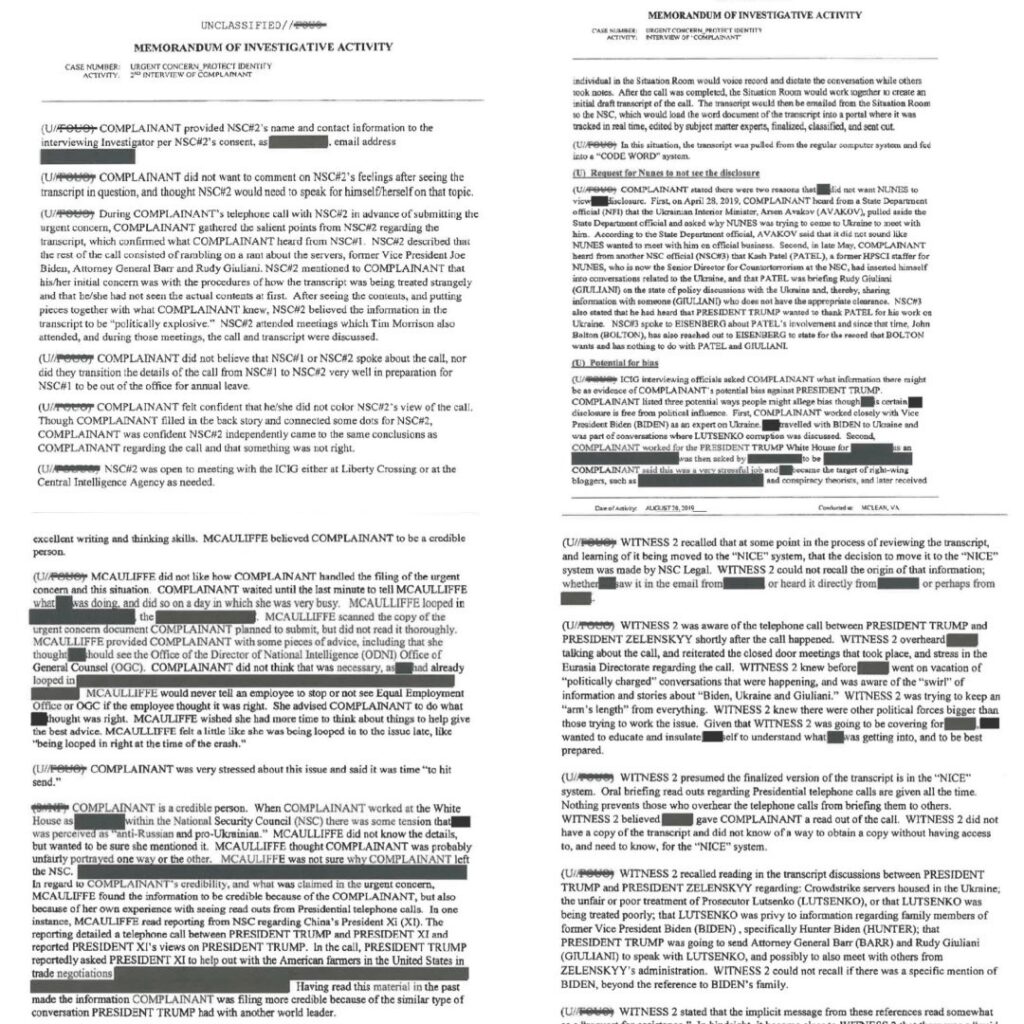
According to the ODNI release, the materials include hundreds of emails and internal communications. They portray Fauci, in his former role as director of the National Institute of Allergy and Infectious Diseases, as having directed substantial funding through intermediaries to the Wuhan lab for work on bat coronaviruses. Critics have long labeled portions of that work as gain-of-function research because it involved modifying viruses to study their potential to infect humans more effectively. See Documents here
The documents further allege that Fauci helped shape intelligence assessments on COVID-19 origins. They describe a pattern in which he supplied hand-picked scientists funded by his institute to advise intelligence agencies. Those inputs, the release states, steered official assessments toward a natural animal-origin explanation while downplaying the lab-leak possibility.
Gabbard’s statement highlights what she calls a self-reinforcing loop: Fauci’s recommendations influenced intelligence products, which were then cited publicly as independent scientific consensus to counter lab-leak discussions. Senior analysts reportedly described him as a neutral guide to “the real coronavirus experts,” according to the reviewed materials.
On the question of congressional testimony, the new documents directly contradict Fauci’s 2024 appearance before the House Select Subcommittee on the Coronavirus Pandemic. When asked under oath whether he had spoken with the FBI, CIA, DIA, or any U.S. intelligence agency about viral research before, during, or after the pandemic, Fauci reportedly dodged and then stated he had no such knowledge regarding COVID. The released correspondence, Gabbard’s office says, shows otherwise.
Whistleblower accounts gathered during the review add another layer. Multiple intelligence analysts and contractors who questioned the preferred natural-origin narrative reportedly faced career pressure, marginalization, or termination. One contractor was let go days after coming forward, according to the accounts. Gabbard referred these matters to the Intelligence Community Inspector General.
Broader Context on COVID Origins and Research Funding
The debate over how SARS-CoV-2 emerged has divided scientists, intelligence agencies, and the public since early 2020. Some agencies, including the FBI and Department of Energy, assessed with varying degrees of confidence that a laboratory incident was the most likely source. Others leaned toward a natural spillover, often linked to a Wuhan market. The intelligence community overall has remained split on the question.
Gain-of-function research itself has sparked controversy for years. The work aims to understand how viruses evolve and spread, with the goal of preparing countermeasures. Supporters argue it is essential for pandemic preparedness. Detractors point to biosafety risks, especially when conducted in facilities with uneven oversight or in countries where transparency is limited.
U.S. funding for research at the Wuhan Institute of Virology flowed primarily through the nonprofit EcoHealth Alliance under grants overseen by Fauci’s institute. Defenders of the grants have maintained that the specific experiments did not meet the narrow federal definition of gain-of-function that triggers extra review. Congressional investigators and outside critics have disputed that characterization, citing the nature of the virus modifications involved.
The new documents do not resolve every scientific question. They do, however, provide internal government communications that Gabbard’s office presents as fresh evidence of how decisions were made and how dissenting views were handled.
Gabbard’s Message and Timing
In her video statement and the accompanying ODNI release, Gabbard framed the disclosure as long-overdue accountability. She noted the immense suffering caused by the pandemic and argued that years of what she described as censorship and cover-ups have left the public without the full picture.
“The tactics used to hide the truth are straight from the deep state playbook,” Gabbard stated. She accused politicized leaders of covering up wrongdoing, manipulating intelligence, lying to Congress, and restricting a president’s access to facts needed for national security.
The timing, on her final day in the role, drew attention. Gabbard had already overseen other declassifications during her tenure, including material related to overseas biological laboratories. Observers see the move as consistent with her stated commitment to maximum transparency before departing.
Public and Political Reaction
Reaction to the release spread quickly across social media and political circles. Supporters praised the action as a step toward holding powerful figures accountable after years of what they viewed as stonewalling. Some called for further investigations or legal consequences.
Critics questioned the framing and timing, suggesting political motivations. They pointed to ongoing scientific disagreement about the precise definition of gain-of-function work and the still-unsettled origins question among experts.
Senator Rand Paul, who has long pressed Fauci on these issues, welcomed the additional documentation and renewed calls for scrutiny. Other lawmakers and commentators urged careful review of the full document set now available through the ODNI website.
What Comes Next
The full collection of communications and supporting materials has been posted for public review on the ODNI site. Analysts, journalists, and researchers will now examine the emails and whistleblower summaries in detail.
Legal experts note that turning document releases into criminal accountability requires separate processes. Any potential perjury claims or other charges would need review by the Department of Justice, evidence of intent, and court proceedings. Past congressional efforts to pursue similar matters have not produced indictments.
For many Americans, the episode reinforces deeper questions about government oversight of high-risk biological research, the proper role of intelligence agencies in public health debates, and how dissent is handled inside large bureaucracies during crises.
The release adds concrete internal records to a conversation that has lasted more than six years. Whether it shifts the broader scientific or legal consensus remains to be seen as the materials undergo wider scrutiny. What is clear is that Tulsi Gabbard chose her final hours in office to place these documents into the public domain.