

Washington, May 22, 2026 — President Donald Trump abruptly postponed a planned signing ceremony for a new executive order on artificial intelligence just hours before it was scheduled to occur in the Oval Office. The decision came amid reported last-minute calls from prominent tech leaders and followed Trump’s own stated concerns that the measure could undermine United States leadership in the rapidly advancing field.
The postponement has sparked intense discussion about the balance between innovation, national security, and government oversight in artificial intelligence. It also highlighted tensions within the administration and the influential role of Silicon Valley voices in shaping policy.
Details of the Proposed Executive Order
The executive order under consideration aimed to establish a voluntary framework for AI developers to share advanced models with federal agencies prior to public release. This pre-release vetting process focused on assessing cybersecurity risks and potential safety concerns, particularly for critical infrastructure such as financial systems, power grids, and other essential services.
According to multiple reports, the order built on existing agreements between the Commerce Department and major AI companies. These included partnerships with Google, Microsoft, and Elon Musk’s xAI for model evaluations. Earlier efforts under previous administrations had laid groundwork with companies like OpenAI and Anthropic.
White House officials had sent invitations to top tech executives for the Thursday afternoon event. The ceremony represented a visible step in the administration’s approach to AI governance, emphasizing collaboration rather than heavy-handed mandates. However, internal disagreements and external input appear to have stalled progress at the final stage.
More Read

Trump’s Direct Explanation for the Postponement
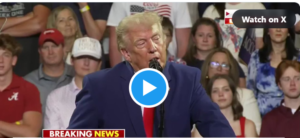
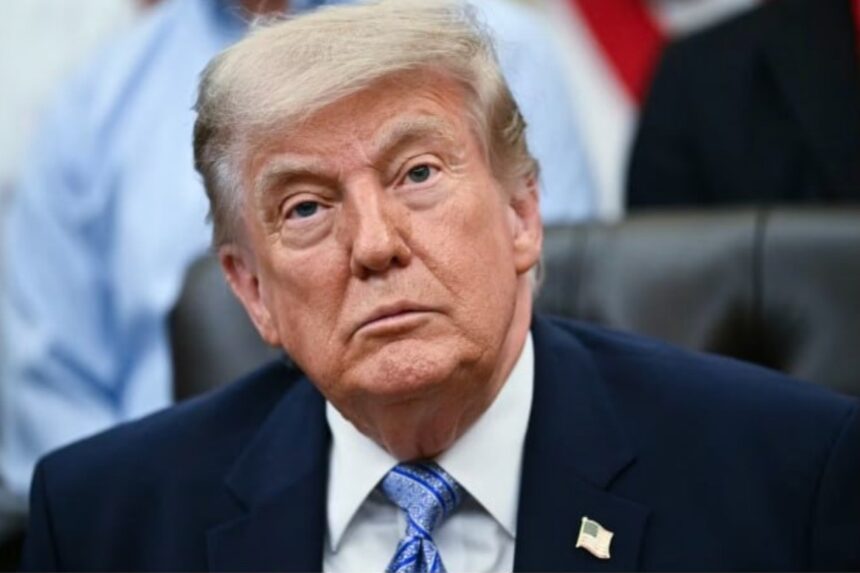
Trump addressed the delay candidly with reporters in the Oval Office. He explained that he did not approve of certain provisions in the draft order and feared they might impede American progress.
“We are leading China. We are leading everybody. And I do not want to do anything that is going to get in the way of that lead,” Trump said. He added that specific language in the document “could have been a blocker” to innovation and competitiveness.
This stance aligns with the president’s broader emphasis on accelerating AI development to maintain United States dominance. Throughout his term, Trump has prioritized removing regulatory barriers while pursuing voluntary partnerships with industry. Previous actions included rescinding certain Biden-era guidelines and issuing orders to promote AI exports and neutral models in government use.
More Read

Conflicting Reports on Tech Industry Influence
Initial coverage from outlets such as The Washington Post, Axios, and others suggested that eleventh-hour phone calls from tech figures played a decisive role. Reports named Elon Musk, Meta CEO Mark Zuckerberg, and David Sacks, a former White House AI and crypto adviser, among those who contacted the president. These leaders reportedly warned that the proposed vetting system, potentially involving up to a 90-day review window, could slow deployment and hand an advantage to Chinese competitors.
Industry representatives argued for a shorter timeline, such as 14 days, to balance safety reviews with the need for speed in a highly competitive global landscape. David Sacks, in particular, had raised concerns in discussions about how formal pre-release requirements might hinder United States innovation.
However, Elon Musk pushed back strongly against narratives portraying him as a key influencer before the decision. In a direct response on X, Musk stated: “This is false. I still don’t know what was in that EO and the President only spoke to me after declining to sign.”
This denial added a layer of complexity to the story. It underscored potential discrepancies between anonymous sourcing in media reports and firsthand accounts from principals involved. Musk’s clarification suggested that any conversation occurred after Trump had already made up his mind to postpone.
Broader Policy Context and Administration Approach
The episode fits into a larger pattern of the Trump administration’s AI strategy. Early in the term, Trump issued orders focused on removing barriers to American leadership, including efforts to preempt overly restrictive state-level regulations. One notable action involved blocking state laws that could obstruct national AI policy goals.
Commerce Department agreements for voluntary model sharing already existed, indicating that some level of collaboration was underway without a formal executive mandate. The proposed order sought to formalize and expand these efforts, particularly around cybersecurity evaluations for frontier models.
More Read

Critics of heavier regulation argue that excessive government intervention risks stifling the very innovation that positions the United States ahead of adversaries. Proponents of stronger safeguards counter that unchecked development could expose critical infrastructure to risks, from cyberattacks to unintended societal harms.
The postponement reflects ongoing debates within tech policy circles. David Sacks and others have advocated for light-touch approaches that prioritize deployment speed. Meanwhile, some national security voices push for more structured reviews to mitigate emerging threats.
Reactions from Stakeholders and Implications
Tech industry figures largely welcomed the delay. Many viewed the proposed order as a potential step toward bureaucratic hurdles that could disadvantage American companies in the global race. Stock reactions in AI-related sectors were positive, with optimism that innovation would continue unimpeded.
On the other side, advocates for AI safety expressed disappointment. They argued that even voluntary pre-release vetting represents a minimal step toward responsible development. The abrupt cancellation raised questions about whether future versions of the order would incorporate stronger protections or be deprioritized entirely.
White House officials indicated the signing had been rescheduled for a later date, leaving open the possibility of revisions. It remains unclear what changes, if any, might address the president’s specific objections or industry feedback.
This development occurs against a backdrop of rapid AI advancement. Companies continue to release powerful new models, invest billions in infrastructure, and compete fiercely for talent and compute resources. Energy demands for data centers, export controls on advanced chips, and international competition with China add further layers of complexity to the policy environment.
Historical Parallels and Future Outlook
Executive orders on AI have evolved significantly across administrations. Earlier efforts focused on safety and equity, while the current approach emphasizes competitiveness and deregulation. The back-and-forth on this particular order illustrates the challenges of crafting policy in a fast-moving technological domain where weeks can render frameworks outdated.
Analysts suggest the postponement may lead to a more streamlined final product if revived. It could also signal a preference for executive agreements and voluntary commitments over formal orders. Either path would continue the administration’s emphasis on public-private partnerships.
For the tech sector, the episode reinforces the value of direct engagement with policymakers. Leaders like Musk, Zuckerberg, and Sacks maintain significant influence, though Musk’s public denial highlights the importance of accurate attribution in high-stakes reporting.
As the United States navigates its AI future, questions persist about the optimal mix of oversight and freedom. National security imperatives, economic growth, and ethical considerations all compete for attention. The postponed executive order represents one chapter in an ongoing story that will likely shape global technology leadership for years to come.
Trump’s decision, whether driven primarily by his own review of the text or informed by industry input, underscores a consistent theme: maintaining America’s edge remains the top priority. With AI poised to transform economies, militaries, and societies, the administration’s next steps will draw close scrutiny from businesses, regulators, and international rivals alike.This fluid situation leaves many details unresolved. Observers will watch closely for any revised order, additional voluntary agreements, or shifts in the broader regulatory landscape. In the meantime, the rapid pace of AI development continues, largely unencumbered by new federal mandates from this particular initiative.