

Breaking: American long-range bombers join intensified airstrikes on Iranian targets while Tehran threatens British bases and European diplomats evacuate
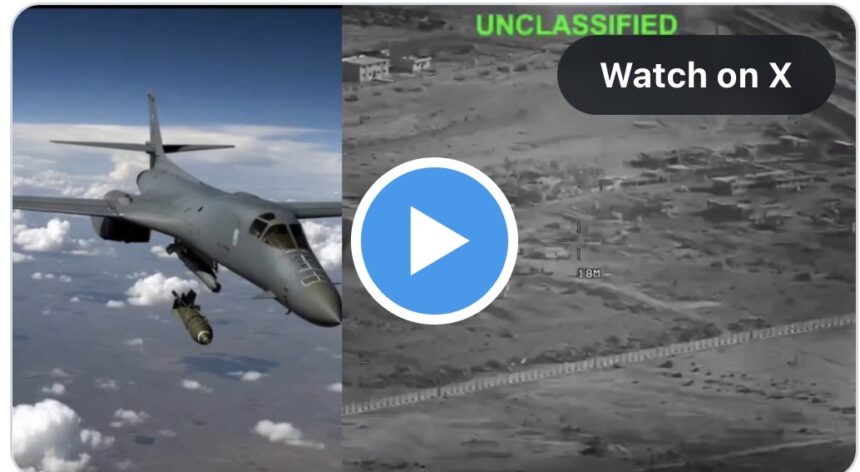
In a significant escalation of the ongoing conflict, U.S. forces deployed B-1 bombers to strike Iranian targets with heavy 2,000-pound payloads, according to reports emerging on July 23-24, 2026. The move marks a notable expansion in the American military campaign against Iran, now in its second week of consecutive nightly airstrikes following a period of relative calm after earlier operations.
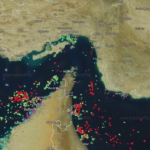
The B-1 Lancer, capable of carrying up to two dozen 2,000-pound bombs or a mix of precision munitions, was used to hit Islamic Revolutionary Guard Corps (IRGC) sites. U.S. Central Command has described the broader series of strikes as efforts to degrade Iran’s military infrastructure, including command centers, drone facilities, maritime assets, and systems threatening commercial shipping through the critical Strait of Hormuz.
B-1 Bombers Enter the Fight in Renewed Campaign
Flight tracking data and official sources indicated that at least one B-1 bomber launched from RAF Fairford in the United Kingdom before conducting operations deep inside Iran. This represents the first reported use of the heavy bomber platform in the current phase of strikes, which have now stretched into a 12th or 13th consecutive night.
More Read

The deployment signals Washington’s willingness to bring greater firepower to bear as it seeks to protect vital energy shipping lanes. Over 50,000 U.S. personnel remain active in the region, and CENTCOM has emphasized that operations continue to prioritize targets that enable Iranian interference with maritime traffic.
Iran Threatens British Bases and Signals Retaliation
Tehran responded sharply to the involvement of British bases. Iranian officials warned that allowing U.S. aircraft to operate from UK facilities makes Britain a participant in the conflict and reserved the right to respond. Similar threats have targeted British interests in the past during the wider 2026 confrontation.
More Read

U.S. officials noted that American F-16 fighters and other assets remain on high alert in the region as a deterrent against any Iranian retaliation against allied bases.
European Diplomats Ordered to Evacuate Iran
Amid the rising threats, several European countries ordered or accelerated the evacuation of diplomatic staff from Iran. British personnel were among those withdrawn due to the deteriorating security situation and explicit Iranian warnings. The moves reflect growing concerns that the conflict could widen further.
Trump Rejects Quick Deal: “They Haven’t Felt Enough Pain Yet”
President Donald Trump has made clear that any diplomatic resolution remains distant. In recent comments, he acknowledged Iranian interest in negotiations but stated that Tehran has “not received enough pain yet.” Reports indicate the administration is weighing options for even larger-scale strikes if Iranian attacks on shipping or allies continue.
The hardline stance aligns with the broader U.S. strategy of applying sustained military pressure to compel behavioral changes from the Iranian regime regarding regional aggression and threats to international waterways.
More Read

Broader Context of the 2026 Iran Conflict
The current strikes form part of a larger confrontation that began earlier in 2026 under Operation Epic Fury and related campaigns. After an initial intensive phase and a temporary ceasefire, fighting has reignited, with the United States focusing on degrading Iran’s ability to project power and disrupt global oil flows. The use of heavy bombers like the B-1 underscores the intensity of the latest phase.
As airstrikes continue and diplomatic channels remain strained, regional and global markets are watching closely for any impact on energy supplies and the risk of further escalation. U.S. officials maintain that operations will persist until Iranian threats to commercial shipping and allied interests are sufficiently neutralized.