

Vance announces agreement; oil prices fall below $72 per barrel amid easing tensions
The International Atomic Energy Agency (IAEA) has confirmed that it will inspect Iranian nuclear facilities, following statements from U.S. Vice President JD Vance that Iran has agreed to the return of inspectors.
The development was highlighted in breaking reports citing Al Jazeera Arabic, marking a potential step toward renewed international oversight of Iran’s nuclear program after months of heightened tensions and conflict.
Vance described the agreement as “a major milestone for the American people and the first step in permanently denuclearizing or permanently ending a nuclear weapons program in Iran.” He indicated that coordination for inspections could begin as soon as this week, potentially even today, during ongoing talks.
Context of the Lake Lucerne Summit
The announcement comes in the wake of high-level diplomatic engagements at the Lake Lucerne Summit (also referred to as the Bürgenstock Summit) in Switzerland in June 2026. The talks involved the United States, Iran, and mediators Qatar and Pakistan, focusing on implementing a preliminary agreement to end hostilities, reopen key shipping routes like the Strait of Hormuz, and address nuclear issues.
More Read

The summit built on earlier frameworks, including a 60-day window for final negotiations following an initial memorandum of understanding.
Market Reaction: Sharp Drop in Oil Prices
The diplomatic progress has contributed to a significant easing of geopolitical risks in the Middle East. Crude oil prices have fallen below $72 per barrel — the first time in 112 days — reflecting reduced concerns over supply disruptions.
According to TradingView data, prices are now down approximately 40% from their March peak and sit just about $4 above pre-conflict levels. This decline aligns with broader market responses to de-escalation efforts and related measures, such as authorizations for Iranian crude sales.
More Read

Visual Context from Developments
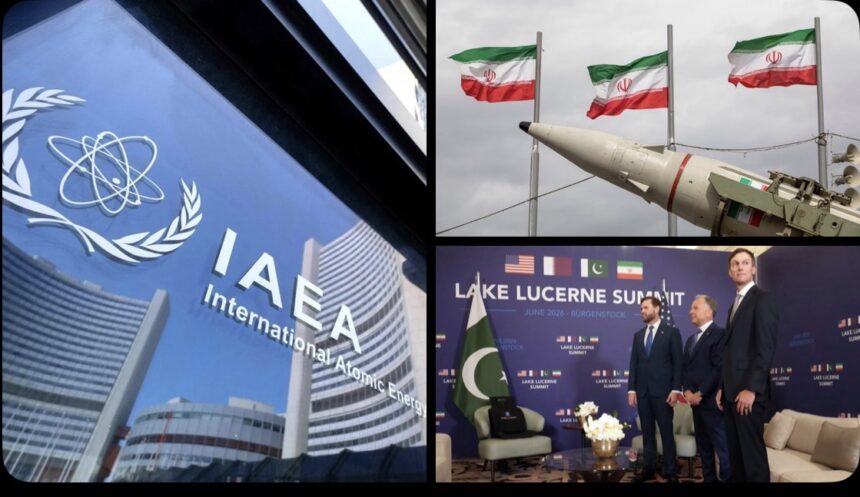
Images circulating alongside reports include the IAEA headquarters, symbols of Iran’s nuclear and military capabilities (such as missiles alongside national flags), and photos from the Lake Lucerne Summit showing key figures including Vice President Vance in a diplomatic setting with representatives from involved nations.
Outlook
While U.S. officials have framed the IAEA access as a major advance, Iranian responses have included some pushback or clarifications on the scope of any new commitments, with Tehran emphasizing continuity with existing Non-Proliferation Treaty obligations.9
The situation remains fluid as technical talks continue. Further details on the timeline and extent of inspections are expected in the coming days.
This breaking development signals potential progress in one of the most consequential diplomatic efforts in the region, with immediate effects visible in global energy markets.