

US-Brokered Ceasefire Framework Signed in Washington as Lebanese Demonstrators Burn Tires and Block Roads
Washington, DC — Lebanese and Israeli ambassadors signed a US-mediated framework agreement on Friday aimed at ending months of cross-border fighting and restoring Lebanese control in the south.0
The deal, finalized at the State Department, outlines steps for Israeli withdrawal from parts of Lebanon, a full ceasefire, and deployment of the Lebanese army to secure the border area while pushing out Hezbollah fighters.
Key Details of the Israel-Lebanon Ceasefire Deal
US Secretary of State Marco Rubio attended the signing ceremony with Lebanese Ambassador Nada Hamadeh Moawad and Israeli Ambassador Yechiel Leiter. Officials called the document a starting point for lasting security arrangements between the two countries.
The framework includes:
More Read

- Israeli forces pulling back from Lebanese territory in phases
- Lebanese Armed Forces taking full control of southern border zones
- A ban on non-state armed groups like Hezbollah operating in those areas
- Humanitarian aid commitments from the United States, including $100 million for Lebanon
Both sides described the agreement as performance-based, meaning further steps depend on compliance on the ground.
Chaos Erupts in Beirut Over Israel Lebanon Agreement
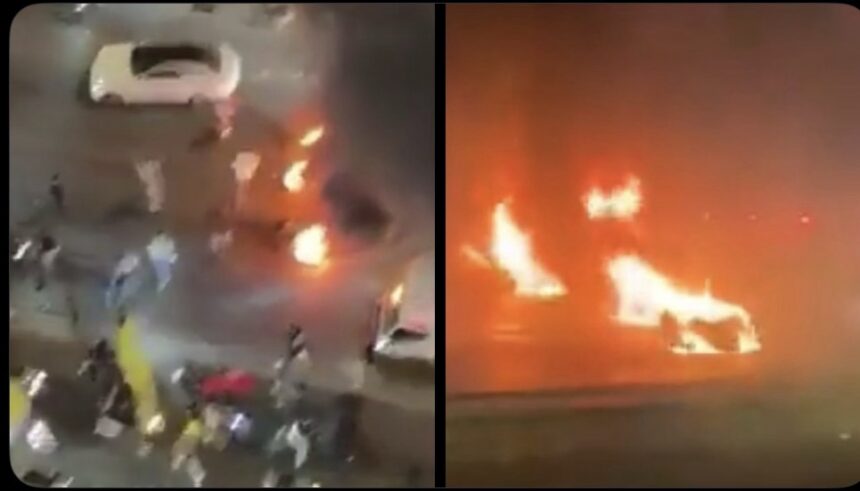
Protests broke out immediately in Beirut as news of the signing reached Lebanon. Crowds filled the streets, set tires on fire, and blocked major roads in angry demonstrations against the deal.0
Many protesters claimed the agreement effectively allows Israeli presence in southern Lebanon and fails to deliver full withdrawal. Hezbollah officials warned that trying to enforce the terms could lead to internal conflict in Lebanon.
More Read

Videos from the scene showed heavy smoke rising in parts of the capital while demonstrators voiced strong opposition. The unrest highlights deep divisions inside Lebanon over any negotiations involving Israel.
What Happens Next in Israel Lebanon Tensions
Israeli Prime Minister Benjamin Netanyahu welcomed the framework but stressed that security measures in the south would continue until Hezbollah is fully removed from the border region.
Lebanese officials expressed hope that the agreement will bring stability and allow displaced families to return home. However, implementation faces major hurdles given Hezbollah’s rejection of the deal and ongoing political tensions in Beirut.
This latest development comes after repeated rounds of US-led talks and fragile ceasefire attempts earlier in 2026. Analysts say success depends on whether the Lebanese army can assert control and whether external backers of Hezbollah accept the new arrangements.
The situation remains tense with potential for further violence both at the border and inside Lebanon. Follow updates on the Israel Lebanon ceasefire and Beirut protests as events unfold.