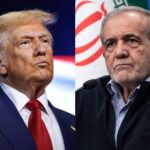


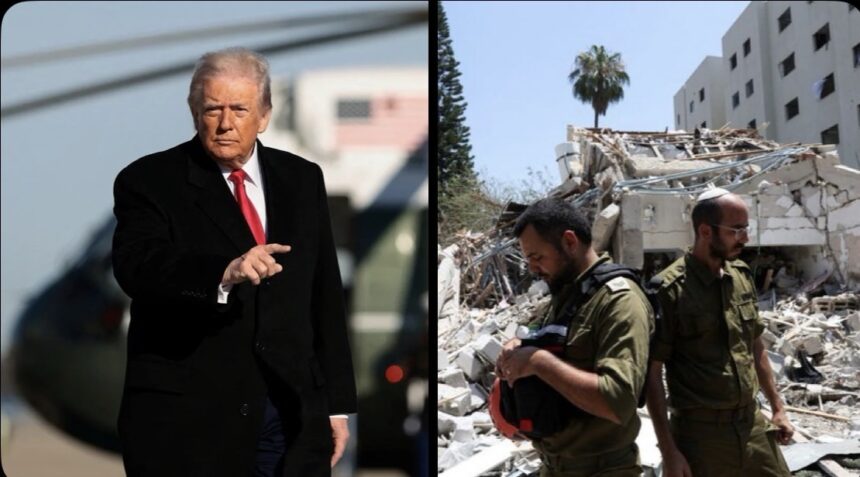
President Donald Trump is “close” to ordering a massive military strike on Iran that would exceed any previous U.S. operation against the regime, according to exclusive comments the president made Thursday, while Israeli officials assess the situation is rapidly heading toward further escalation.
In an interview with Axios, Trump declared: “I am considering a massive attack. Bigger than ever before. I am close to making a decision. We are all set for it.” The president stressed that no final determination has been made and that U.S. officials confirm no new orders have been issued to the military.
Trump added that Israel “would join in two minutes if I asked them to,” but emphasized the United States does not need assistance from anyone. He also noted there would be “consequences” for Israeli involvement, a clear reference to the risk of Iranian retaliation against the Jewish state. On Iran’s leadership, Trump was blunt: “They haven’t received enough pain yet.” He said Tehran wants to negotiate but is not yet prepared to make a deal.
Israeli Officials See Clear Pressure Strategy
According to Israeli officials cited in reporting from Ynet, the framework of U.S. pressure is becoming unmistakable. The United States is mounting intense pressure on Iran to return to negotiations or face severe consequences. These officials assess that Trump does not actually want Israel in the fight, at least not yet. The threat of Israeli involvement is being used as leverage against Tehran.
Israel, for its part, has drawn a firm line: the Jewish state will join only if Iran attacks it directly. Not before. Trump’s own words about Israel joining “in 2 minutes” and the massive attack under consideration are viewed in Jerusalem as pressure-building, not an immediate operational plan. Iran must decide whether the threat is real before Trump decides whether to make it so.
More Read

Ongoing Campaign and Rising Stakes
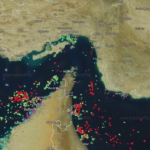
The comments come amid 12 consecutive days of escalating U.S. strikes aimed at stopping Iranian attacks on commercial shipping in the Strait of Hormuz. Iran has shown no willingness to change course and has intensified its own operations across the region. Iran-backed Houthi rebels in Yemen have resumed attacks on Saudi ships in the Red Sea, further disrupting a critical oil route and driving global energy markets higher. Oil prices have already eclipsed $100 per barrel.
Trump has warned that any further Houthi attacks will be treated as Iranian actions, promising “major military punishment” on both the proxies and Tehran itself. The regime’s Revolutionary Guard has even issued threats against Britain over potential use of British bases by American aircraft.
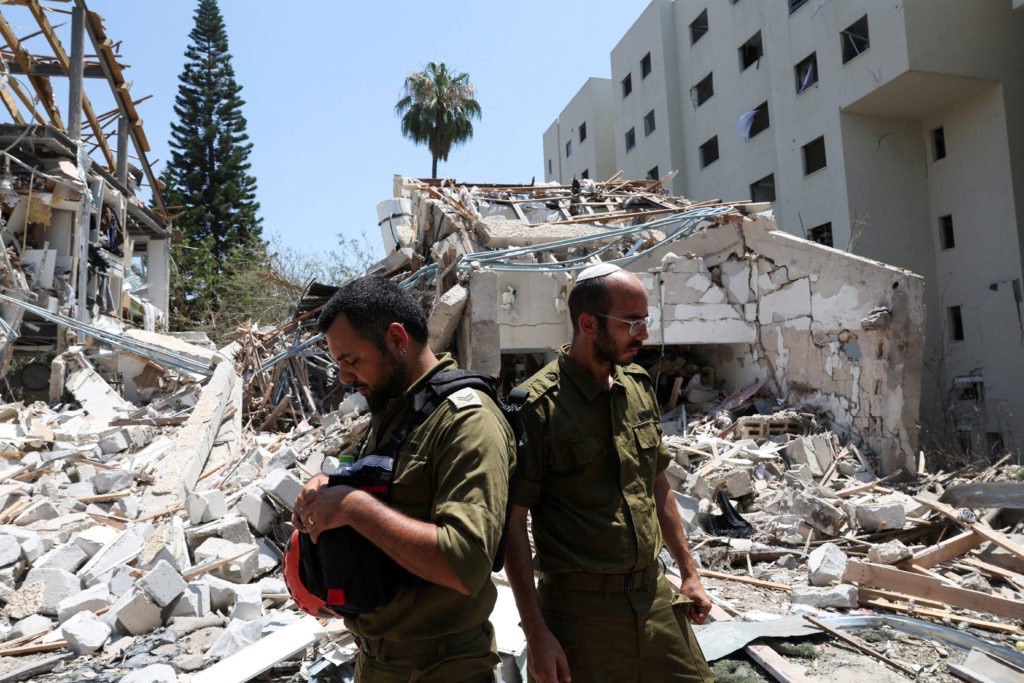
This latest phase follows months of conflict that began with Israeli and U.S. operations against Iran’s nuclear infrastructure and expanded into broader exchanges. A June memorandum of understanding that briefly paused fighting collapsed earlier this month, with both sides resuming fire. U.S. forces have targeted Iranian command centers, air defenses, missile sites, and coastal facilities, while Iran has struck at American and allied interests in the region.
More Read

Building Maximum Pressure
Source: AFP / Getty Images
Trump’s messaging fits a pattern of calibrated threats designed to force Iran back to the table on terms favorable to the United States and its allies. By publicly dangling the prospect of Israeli participation while simultaneously signaling that America can act alone, the administration keeps Tehran guessing about the full scope of any response.
Israeli officials emphasize that Jerusalem prefers clear objectives and a campaign that goes the distance if it becomes involved. They do not want another limited engagement that ends under external pressure after only a few days. Netanyahu’s government has conducted extensive war-gaming of escalation scenarios and maintains readiness to act independently if necessary, while coordinating closely with Washington.
Relations between Trump and Netanyahu remain solid, according to the president. Trump said he would meet the Israeli leader if Netanyahu travels to Washington next week for the wake of the late Sen. Lindsey Graham. Israeli sources indicated such a trip is not currently expected.
What Comes Next
The decision now rests with Trump. Two regional sources familiar with mediation efforts report that Iranian leadership has rejected the latest proposal on the table. “We are trying, but the Iranians are not being helpful,” one source said.
More Read

A return to full-scale major combat operations remains deeply unpopular with the American public, yet the administration continues to prioritize preventing Iran from reconstituting nuclear capabilities, securing freedom of navigation, and degrading the regime’s ability to project terror through proxies.
For ordinary Americans, the immediate impact is already visible at the gas pump and in energy markets. A broader strike could further disrupt global oil supplies, while failure to impose costs on Tehran risks emboldening a regime that has spent decades funding attacks on U.S. forces, Israel, and commercial shipping.
Trump has made clear the United States is prepared. The question is whether Iran’s rulers will finally accept that the pain they have received so far is only the beginning, or whether they will force the president to make the massive attack a reality. Israeli officials believe the next moves by Tehran will determine how far this escalation goes. The pressure is on, and the clock is ticking.