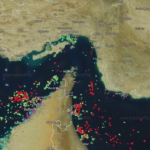


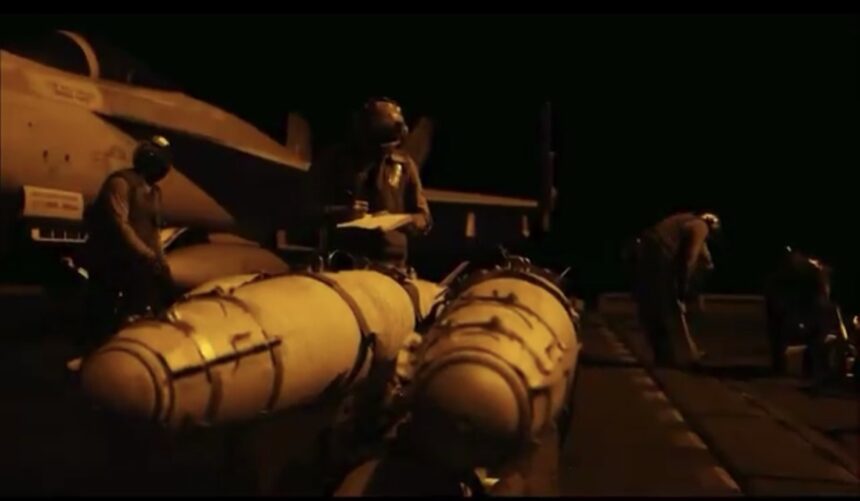
The quiet of the Persian Gulf evening shattered without warning as powerful explosions echoed along Iran’s southern coastline, their distant rumbles carrying across the water toward the narrow passage that serves as a lifeline for global energy supplies. In a move that immediately heightened alarms worldwide, U.S. Central Command announced that American military forces had initiated strikes against Iranian positions at 4 p.m. ET today strikes carried out at the direct direction of the Commander in Chief and crafted specifically to weaken the very capabilities Iran has employed to menace commercial shipping in the Strait of Hormuz.
CENTCOM Confirms Targeted Operation Against Iranian Military Assets
U.S. Central Command confirmed the operation in a clear statement released shortly after the strikes began. The action targets Iranian military assets used to attack commercial vessels transiting the critical waterway one of the world’s most important chokepoints for oil and liquefied natural gas.
Reports quickly surfaced of multiple blasts near the major port city of Bandar Abbas and the coastal area around Sirik, both located right along the northern edge of the strait.
What CENTCOM Said About the Strikes on Iran
The official CENTCOM statement reads in part: “Today at 4 p.m. ET, U.S. forces began a new round of strikes against Iran at the Commander in Chief’s direction. The strikes are designed to further degrade Iranian military capabilities used to attack commercial shipping in the Strait of Hormuz.”
This latest operation fits into a pattern of sustained U.S. military pressure aimed at restoring safe passage for international shipping after repeated incidents involving attacks on tankers and cargo vessels. The Strait of Hormuz handles a massive share of global oil traffic, and any sustained threat there sends immediate ripples through energy markets and supply chains.
More Read


Broader Context: Ongoing Tensions in the Strait of Hormuz
No detailed casualty or damage assessments have been released by either side at this early stage, but the timing and precision of the strikes underscore Washington’s determination to protect maritime freedom in the region. Global observers are now watching closely for Iran’s response and any broader diplomatic fallout as the situation remains fluid. Shipping companies and energy traders continue to monitor developments in real time.