

ROME — The ongoing disruption in the Strait of Hormuz is no longer just a story about higher fuel costs at the pump. The United Nations Food and Agriculture Organization (FAO) has raised alarms over severe strain in global fertilizer markets, warning that prolonged blockades could lead to lower crop yields and significantly higher food prices later in 2026 and into 2027.
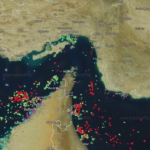
With roughly one-third of the world’s seaborne fertilizer trade normally passing through the strait, the near-collapse in shipping traffic down around 95% since late February; is creating ripple effects far beyond energy markets. Fertilizer production depends heavily on natural gas and other inputs that also rely on stable Gulf shipping routes.
FAO Warning on Fertilizer Supply Strain
FAO Chief Economist Máximo Torero has described the situation as a ticking clock for global agriculture. Between 20 and 45 percent of key agricultural inputs, including fertilizers, depend on passage through the Strait of Hormuz. Disruptions are already constraining supplies of urea, ammonia, phosphates, and sulfur critical components for modern farming.
Fertilizer prices have risen sharply since the conflict began. Urea prices, for example, jumped by around 19–30 percent in the early weeks, with some markets seeing even steeper increases. FAO projections suggest global fertilizer prices could average 15 to 20 percent higher in the first half of 2026 if the crisis continues. Energy costs, which make up a large portion of fertilizer production expenses, are adding further pressure through a “double shock” of higher fuel and input prices.
The timing is particularly concerning. Many farmers in the Northern Hemisphere are in the middle of spring planting or preparing for upcoming seasons. Reduced access to affordable fertilizer could force them to apply less than optimal amounts or switch to lower-yield crops, directly affecting output.
More Read

From Lower Yields to Higher Food Prices
The connection is straightforward: less fertilizer generally means lower crop yields for staples such as wheat, rice, corn, and soybeans. In a world already facing tight supplies in some regions, even modest reductions in global production can translate into higher food prices at grocery stores and markets.
Developing countries that depend heavily on imported fertilizers are most at risk. Nations in Africa, South Asia, and parts of Latin America often lack the financial buffers to absorb sudden price spikes. Poorer farmers may be forced to cut back on fertilizer use, leading to reduced harvests and greater food insecurity.
This scenario echoes earlier shocks, including the 2022 fertilizer price surge after Russia’s invasion of Ukraine. However, the current Hormuz crisis combines energy and fertilizer disruptions simultaneously, amplifying the potential impact on global agrifood systems.
More Read

Beyond Energy: A Wider Supply Chain Crisis
The strait’s importance extends beyond oil. It also carries significant volumes of liquefied natural gas (LNG) used in fertilizer manufacturing and raw materials such as sulfur for phosphate fertilizers. When these flows stall, production facilities in the Gulf and beyond slow or shut down, creating shortages that spread quickly through international supply chains.
Some countries have already reported factory closures or reduced output due to feedstock shortages. Shipping companies face skyrocketing insurance costs, while many vessels avoid the area entirely, further delaying deliveries.
For wealthier nations like the United States and those in Europe, the effects may appear first as higher input costs for farmers, which eventually pass through to consumers. In import-dependent regions, the consequences could be more immediate and severe, potentially increasing hunger risks and social pressures.
What Lies Ahead for Global Food Security
FAO officials stress the need for urgent movement of vessels carrying agricultural inputs to prevent a more serious crisis. While some countries maintain strategic reserves or can source fertilizers from alternative suppliers, these options are limited and often more expensive.
The situation also highlights the vulnerability of modern agriculture to geopolitical events in distant chokepoints. Concentrated production and trade routes for fertilizers mean that disruptions in one narrow waterway can affect planting decisions and harvest outcomes worldwide.
As the conflict in the region continues, policymakers and agricultural stakeholders are watching closely for any signs of de-escalation that could restore shipping flows. In the meantime, farmers face difficult choices about input use, while governments may need to consider support measures to shield vulnerable populations from rising food costs.
More Read

The FAO’s warning serves as a reminder that the Strait of Hormuz crisis reaches well beyond energy markets. Its effects on fertilizer availability and food production could shape global economic conditions and food security outcomes for months or even years to come.