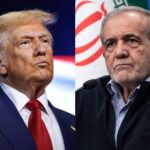



In a notable de-escalation move amid fragile ceasefire efforts, the United States and Iran have reportedly agreed to halt further strikes and will hold talks this week in Qatar focused on the strategically critical Strait of Hormuz.
The development was flagged as “BREAKING” in a post by prediction market platform Polymarket on X, stating: “U.S. & Iran have reportedly agreed to stand down for now & meet this week in Qatar over the Strait of Hormuz.”
According to reports circulating today and attributed to senior U.S. officials via Axios, the two sides have committed to immediately pausing kinetic activity. They are scheduled to meet on Tuesday in Doha to address ongoing tensions in the Strait of Hormuz and related maritime security issues. Discussions are also expected to cover establishing a direct military communication line to prevent future incidents and miscalculations.34
Broader Context
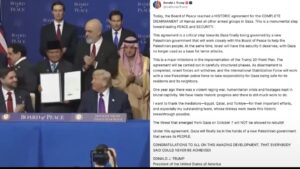
This latest agreement builds on the memorandum of understanding (MoU) signed in mid-June 2026 between the U.S. and Iran. That framework extended the ceasefire for 60 days, included commitments to reopen the Strait of Hormuz to normal shipping, and set the stage for negotiations on Iran’s nuclear program and other outstanding issues. Qatar and Pakistan have played key mediating roles throughout the process.11
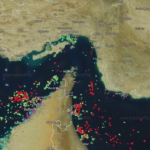
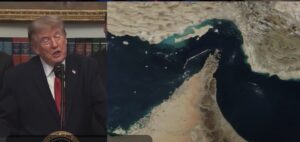
The Strait of Hormuz remains a flashpoint. The narrow waterway between Iran and Oman handles roughly 20% of global oil and liquefied natural gas trade. Disruptions here have repeatedly rattled energy markets during the conflict that began in early 2026.
More Read

Recent days saw renewed tensions, including an alleged Iranian attack on a commercial tanker in the strait and subsequent U.S. retaliatory strikes on Iranian targets. These incidents had raised concerns that the shaky post-MoU truce could unravel.34
Potential Implications
The reported stand-down and upcoming Qatar talks represent a positive signal for regional stability. Markets are watching closely: oil prices have fluctuated sharply with each twist in U.S.-Iran relations, and any credible progress on Hormuz access could ease upward pressure on energy costs.
Prediction markets, including those hosted by Polymarket, often react quickly to such geopolitical headlines, with traders adjusting probabilities on outcomes ranging from sustained de-escalation to renewed conflict.
More Read

Officials on both sides have not yet issued formal confirmations, and details of the planned Tuesday meeting remain limited. The situation remains fluid, with mediators continuing to work behind the scenes.
This development underscores the high-stakes diplomacy playing out over one of the world’s most vital shipping chokepoints — and the delicate balance between confrontation and negotiation in the ongoing U.S.-Iran dynamic. Further updates are expected as talks approach.