

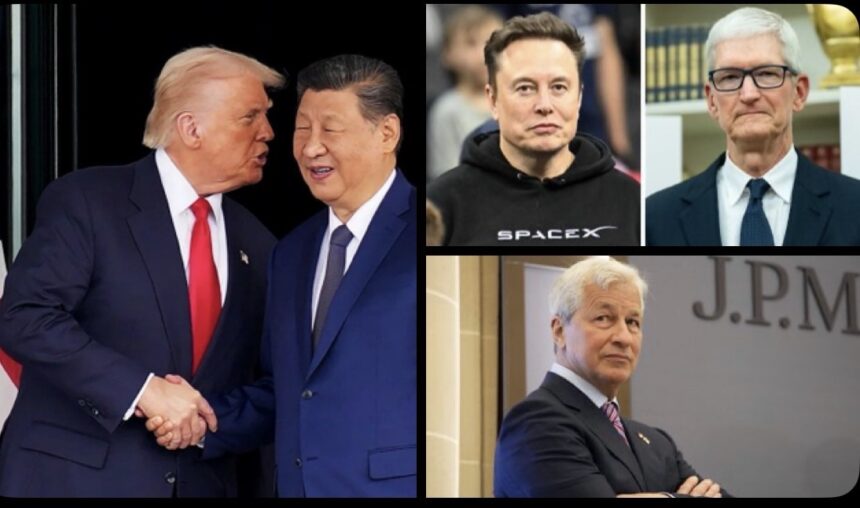
Beijing, China (May 12, 2026) — President Donald Trump is preparing to depart for a three-day state visit to China, scheduled from May 13 to 15, marking the first trip by a sitting U.S. president to Beijing since his 2017 visit. The summit with Chinese President Xi Jinping comes as the world’s two largest economies seek to stabilize relations strained by trade disputes, technology competition, and the ongoing U.S.-Israel conflict with Iran.7
White House officials and Beijing confirmed the dates earlier this week, with Trump expected to arrive Wednesday evening. Formal bilateral meetings are set for Thursday and Friday, including a welcome ceremony, a tour of the Temple of Heaven, a state banquet, and working sessions. First Lady Melania Trump will accompany the president.52
The delegation blends senior administration officials with prominent business leaders, reflecting an “America First” approach that mixes diplomatic pressure with economic engagement. Key members include:
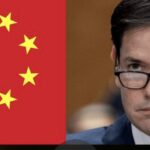
- Secretary of State Marco Rubio
- Treasury Secretary Scott Bessent
- Defense Secretary Pete Hegseth
- Elon Musk (Tesla and SpaceX)
- Approximately 16 CEOs from major tech, aviation, finance, and other sectors, including figures like Tim Cook of Apple.0
This is a more streamlined group compared to the 29 CEOs who joined Trump in 2017, with notable absences in frontier AI firms and major defense contractors, signaling a focused rather than broad commercial push.1
Security preparations in Beijing are intense, with reports of U.S. military aircraft and armored vehicles already positioned for the motorcade. The visit occurs against a backdrop of heightened global tensions, particularly the Iran conflict, which has disrupted energy shipping through the Strait of Hormuz and contributed to rising U.S. inflation.
More Read

Key Agenda Items
U.S. officials have previewed a broad agenda:
- Trade and Economics — Extending or building on critical minerals and rare earths deals, agricultural purchases from U.S. farmers, potential Boeing aircraft sales, and forums for mutual trade and investment. Tariffs, supply chain issues, and market access remain central.
- Security and Geopolitics — Discussions on Taiwan, AI and export controls, nuclear issues, and fentanyl. Trump has indicated he may press China to use its influence with Iran to help reopen the Strait of Hormuz and de-escalate the Middle East conflict.11
- Technology and Energy — Competition in artificial intelligence, semiconductors, and energy cooperation.
Trump has expressed optimism ahead of the trip, describing Xi as a “great gentleman” and predicting “great things” could emerge, while framing the engagement as competitive yet constructive. Chinese state media has highlighted business ties in promotional materials.
Analysts note the summit is unlikely to produce dramatic breakthroughs but could yield modest agreements on trade and investment while helping manage risks in the bilateral relationship. It also sets the stage for a potential reciprocal visit by Xi to the United States later in 2026.9
More Read
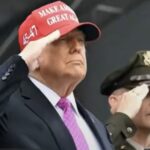
The trip underscores Trump’s second-term emphasis on direct, high-level deal-making with major adversaries, even as domestic concerns over inflation and the Iran war linger. Supporters view the delegation as a show of American economic strength; critics worry about possible concessions or the optics of engaging closely with Beijing.
Live coverage of the visit is expected across major networks, with Fox News and others already reporting on the security buildup and delegation details. Outcomes from the Trump-Xi meetings will likely shape U.S.-China relations for the remainder of the year, influencing everything from global markets to strategic stability in the Indo-Pacific.
This report is based on the latest confirmations from the White House, Chinese Foreign Ministry, and multiple international outlets as of May 12, 2026.