

Tehran, Iran — Iranian officials signaled a firm rejection of concessions on their nuclear program, declaring uranium enrichment and nuclear technology “non-negotiable” and a matter of national sovereignty, according to a post by prominent X news commentator Mario Nawfal.0
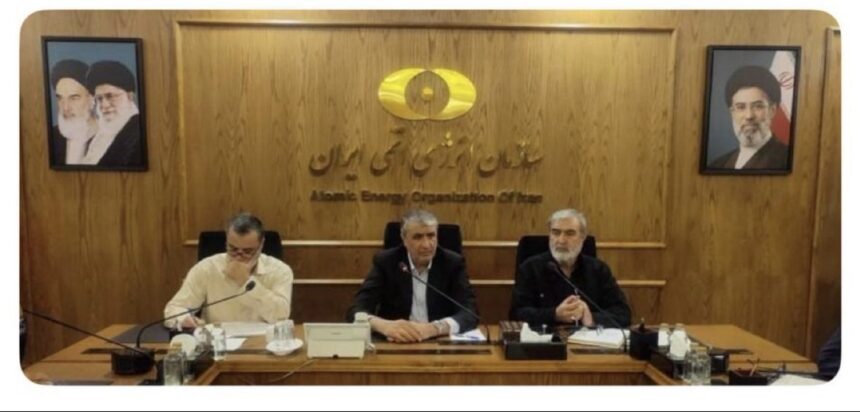
In the post, Nawfal highlighted that Iran’s parliament security chief and the head of its Atomic Energy Agency emerged from a committee meeting in full agreement: “Enrichment is not negotiable. Nuclear technology is not on the table.” He noted the difficulty this creates for any diplomatic efforts, asking, “Good luck negotiating a nuclear program with a country that just declared the nuclear program non-negotiable.”
This development comes amid a fragile US-Iran ceasefire that President Donald Trump described as being “on life support” after rejecting what he called a “stupid” or unacceptable peace proposal from Tehran. Major outlets, including PBS NewsHour, CBS, and others, reported on May 11-12 that Trump dismissed Iran’s latest terms and warned the truce is at serious risk of collapsing.38
Iran’s Reported Demands
Nawfal’s earlier quoted post outlined five conditions reportedly handed down by Iran’s Supreme Leader Mojtaba Khamenei (or his office) for even beginning nuclear talks:
- End the war on all fronts, including Lebanon and Gaza.
- Lift every sanction.
- Return all frozen assets.
- Recognize Iran’s sovereign right over the Strait of Hormuz.
- Pay reparations for damages caused by the war.
Nawfal characterized these as demands typically made “after you’ve won,” suggesting they may be aimed more at a domestic audience to project strength than as realistic negotiating positions.
Broader Context
- The Strait of Hormuz remains a flashpoint, with Iran exerting significant influence over oil and gas transit routes, raising global energy concerns.
- Tensions persist with ongoing IDF operations against Hezbollah in Lebanon and questions over the durability of any ceasefire.
- Inflation in the US has risen, partly linked to Middle East disruptions from the conflict.
- Trump is reportedly heading to China for talks with President Xi Jinping, partly seeking leverage on the Iran situation and efforts to reopen key maritime routes.36
Analysts note that public hardening of positions on both sides often complicates diplomacy, though backchannel talks or indirect mediation (possibly involving third parties like Pakistan or China) could continue behind the scenes due to the high costs of renewed full-scale conflict.
The situation remains fluid, with risks of escalation if no diplomatic off-ramp emerges. Mario Nawfal’s rapid coverage on X has been one of the primary real-time sources amplifying these Iranian statements to Western audiences.
This reflects the latest public signals as of May 12, 2026. The original post you shared is part of Nawfal’s ongoing commentary on the US-Iran standoff. Let me know if you’d like me to dive deeper into any specific aspect (e.g., the Strait of Hormuz, nuclear talks history, or reactions from other parties).