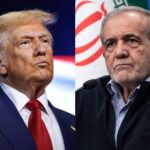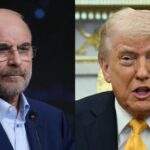


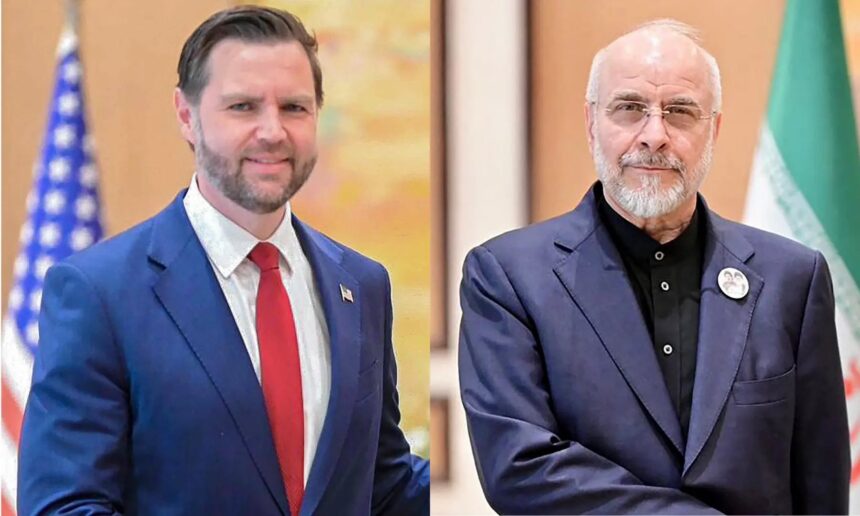
Washington, DC – In a significant diplomatic breakthrough amid months of escalating tensions, the United States and Iran have agreed to a draft peace proposal. Top negotiators from both sides, including Iranian Parliament Speaker Mohammad Bagher Qalibaf and US Vice President JD Vance, have approved the framework. A full announcement of the deal, which aims to end fighting on all fronts, is expected by Sunday afternoon, according to sources close to the negotiations.
The development marks a potential turning point in the 2025-2026 Iran-United States negotiations. These talks have been mediated primarily by Pakistan, with involvement from other regional actors. The conflict erupted earlier in 2026 following strikes and retaliatory actions that disrupted global energy markets and raised fears of a wider regional war.
Background of the Negotiations
The path to this draft agreement has been long and fraught with challenges. Direct US-Iran talks, the highest-level face-to-face engagements in decades, began in earnest in Islamabad, Pakistan. Vice President Vance led the American delegation, which included special envoys. On the Iranian side, Parliament Speaker Qalibaf and Foreign Minister Abbas Araghchi played key roles.
Earlier rounds of discussions in April 2026 stalled over core issues. Iran presented a 10-point proposal emphasizing control over the Strait of Hormuz, the lifting of sanctions, and an end to attacks on its regional allies, including Hezbollah in Lebanon. The United States countered with demands that included curbs on Iran’s nuclear program, the reopening of the Strait of Hormuz to international shipping without restrictions, and limits on support for proxy groups.
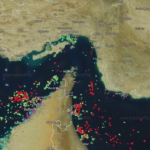
A fragile ceasefire took hold in early April but faced repeated tests. Clashes around the Strait of Hormuz, where Iran had effectively restricted shipping, led to exchanges of fire and heightened concerns about global oil supplies. Traffic through the critical waterway reportedly collapsed by as much as 95 percent at times, sending oil prices surging and disrupting energy markets worldwide.
More Read

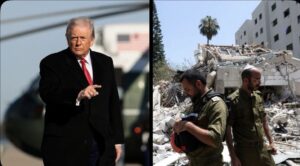
President Donald Trump has repeatedly emphasized the need for a strong deal. He has called for Iran to hand over enriched uranium, freeze its nuclear activities beyond civilian purposes, and ensure freedom of navigation in the Strait. Trump has maintained that the US holds leverage through naval presence and sanctions while expressing openness to phased relief if Iran complies with core demands. Related coverage includes Trump Rejects Iran’s Offer to Reopen Strait of Hormuz.
Key Elements of the Draft Proposal
While full details of the latest draft remain under wraps pending official announcement, sources indicate it builds on previous frameworks. It reportedly addresses a comprehensive end to hostilities, including proxy conflicts in Lebanon and disruptions in the Strait of Hormuz. Both sides appear to have made concessions to reach this point.
For the US, priorities include verifiable limits on Iran’s nuclear enrichment and guarantees against weaponization. Iran has long insisted on its right to peaceful nuclear energy and the lifting of economic pressures. The involvement of high-level figures like Qalibaf, a prominent conservative in Iranian politics, and Vance signals buy-in from influential stakeholders on both sides.
More Read

Pakistani mediators have played a crucial bridging role. Multiple rounds of indirect and direct talks in Islamabad have helped narrow gaps. Recent reports highlighted slight progress even as uncertainties lingered about whether full-scale fighting might resume.
This draft comes at a moment of high stakes. President Trump reportedly prioritized the crisis. Broader regional dynamics, including strengthened ties between Israel and Gulf states like the UAE, have added layers to the negotiations. For more on these shifting alliances, see Israel-UAE Alliance Strengthens Amid Iran Conflict.
Regional and Global Implications
A successful agreement could stabilize energy markets and reduce the risk of broader escalation involving actors such as Hezbollah, the Houthis, and other Iranian-backed groups. Oil prices, which jumped significantly during peak tensions, might ease, benefiting global economies.
However, challenges remain. Skeptics point to past failures and deep mistrust. Iranian officials have at times warned of full resistance if core demands are not met, while US leaders have drawn firm red lines on nuclear issues and maritime security. Iranian positions on these matters were recently outlined in Iranian Deputy Speaker Warns US Must Accept Tehran’s Demands.
China’s reported assurances against arming Iran and Russia’s involvement in separate diplomatic tracks add further complexity to the geopolitical landscape.
For the Middle East, any deal would reshape power balances. The Israel-UAE alliance has grown stronger amid the conflict, focusing on countering shared threats and enhancing intelligence cooperation.
More Read
Path Forward and Cautious Optimism
As anticipation builds for Sunday’s potential announcement, analysts urge caution. Previous claims of breakthroughs have not always materialized, and implementation would require rigorous verification mechanisms.
The draft’s success hinges on approval from higher leadership, including Iran’s Supreme Leader and President Trump. Public statements from both capitals will be closely watched.
This moment reflects years of indirect engagement evolving into direct, high-level diplomacy. Mediated primarily through Pakistan, the process highlights the role of third parties in bridging adversarial gaps.
Should the deal hold, it could open avenues for longer-term discussions on sanctions relief, regional security architectures, and economic reintegration for Iran. Failure, conversely, risks renewed confrontation with unpredictable consequences for global stability.
Broader Context of US-Iran Relations
US-Iran tensions trace back decades, intensified by the 2018 withdrawal from the JCPOA nuclear deal and subsequent maximum pressure campaigns. The 2026 flare-up stemmed from direct military exchanges, proxy battles, and Iran’s actions regarding the Strait of Hormuz in response to strikes.
Throughout, economic fallout has been severe. Shipping disruptions have affected global supply chains, while frozen assets and sanctions have strained Iran’s economy. Humanitarian concerns in affected areas, including Lebanon, add urgency to ending hostilities.
Domestic politics in both nations influence the talks. In the US, the Trump administration balances strong deterrence with deal-making instincts. In Iran, hardliners and pragmatists navigate internal debates over concessions.
Looking Ahead
As the world awaits confirmation, markets and governments prepare for various scenarios. A confirmed peace framework would represent a major diplomatic achievement, potentially de-escalating one of the most volatile flashpoints in international affairs.
For now, the focus remains on the details to emerge from the anticipated announcement. Diplomats, analysts, and citizens across the region and beyond hope this draft translates into lasting stability.
This report draws on ongoing developments in one of the defining geopolitical stories of 2026. Further updates will follow as more information becomes available from official channels.