

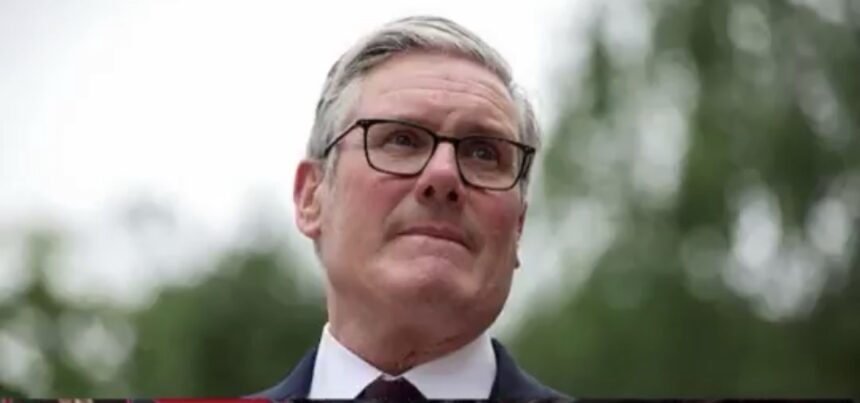
British Prime Minister Keir Starmer is on the brink of stepping down from office, with reports indicating he will announce his resignation on Monday following intense pressure from within his own Labour Party. According to The Observer newspaper, Starmer has concluded that his position has become untenable after a series of difficult conversations with senior cabinet ministers, close advisers, major donors, and trade union leaders.
This development marks a dramatic turning point for the man who led Labour to a landslide victory in the 2024 general election. Less than two years into his term, Starmer finds himself facing one of the most rapid political collapses in modern British history. The news comes just days after Andy Burnham, the popular Mayor of Greater Manchester often called the “King of the North,” secured a decisive victory in the Makerfield by-election, boosting his profile as a potential successor.
A Party in Turmoil
The roots of Starmer’s crisis trace back to Labour’s heavy losses in the local elections held in early May 2026. The party suffered significant setbacks across England, with Reform UK making notable gains in several areas. Those results triggered a wave of discontent among Labour MPs, many of whom blamed Starmer’s leadership for the poor performance. Polls have shown Labour trailing badly, and internal frustration has boiled over into open rebellion.
More than 100 Labour MPs, nearly one in four of the parliamentary party, have now publicly called for Starmer to resign or set out a clear timetable for his departure. This threshold represents a critical mass that has made his position increasingly difficult to sustain. Several junior ministers have already quit their posts in protest, and key cabinet figures have reportedly urged him privately to step aside gracefully to avoid a more chaotic forced exit.
Cabinet loyalists who once stood firmly behind the prime minister have shifted their stance in recent days. Reports suggest that even some of his closest allies told him over the weekend that he has until the end of this period to outline an orderly transition or risk being pushed out at Tuesday’s cabinet meeting. Transport Secretary Heidi Alexander and Foreign Secretary Yvette Cooper are among those understood to have advised him to set a departure timeline.
More Read

One senior source close to the discussions described the mood as somber but realistic. “His departure is now inevitable,” the source told reporters. The focus has turned to managing a smooth handover rather than prolonging what many see as a lame-duck premiership.
Andy Burnham Emerges as Front-Runner
The by-election win for Andy Burnham in Makerfield has electrified the situation. Burnham took more than 54 percent of the vote, comfortably defeating the Reform UK candidate by over 9,200 votes. His return to Westminster positions him strongly to launch a leadership bid if Starmer steps down.
Burnham enjoys broad popularity within the party, particularly among northern voters and those who feel Labour has drifted too far from its traditional working-class roots. Insiders say he is preparing to emphasize themes of fiscal prudence, tax cuts for working families, and a renewed focus on public services. Betting markets currently give over 90 percent odds that Starmer will be gone before the end of June, with Burnham heavily favored as the next leader.
More Read

Other potential contenders include former Health Secretary Wes Streeting, who resigned earlier in the crisis and has been positioning himself as a reformer. However, Burnham’s momentum from the by-election victory makes him the clear favorite at this stage.
Starmer’s Record and the Road to This Point
Starmer entered Downing Street in July 2024 promising stability after years of Conservative chaos. His government delivered some early wins, including improved relations with the European Union and progress on certain domestic priorities. Yet persistent challenges mounted quickly. Critics pointed to slow economic growth, ongoing pressures on the NHS, and a sense that the government lacked bold vision.
The local election drubbing in May proved to be the tipping point. Resignations followed in quick succession, including from high-profile figures like Streeting and Defence Secretary John Healey. Each departure chipped away at Starmer’s authority. By mid-May, the number of MPs demanding change had climbed steadily, and private briefings suggested his support among colleagues had collapsed.
In public statements, Starmer has repeatedly insisted he would fight on and lead the party into the next election. He described his government as a “10-year project” and vowed not to plunge the country into further instability. Yet behind closed doors, the conversations told a different story. Weekend meetings with key stakeholders appear to have convinced him that continuing would only deepen divisions and damage Labour’s chances in future contests.
What Happens Next
If Starmer does announce his resignation on Monday, the Labour Party will enter a formal leadership contest. The process could take several weeks, giving the party time to debate its future direction. An orderly exit would allow Starmer to frame his departure on his own terms, perhaps highlighting achievements in foreign policy or early domestic reforms.
For the country, the change comes at a sensitive time. Economic indicators remain mixed, international tensions persist, and voters are watching closely to see whether Labour can regain its footing. A prolonged period of uncertainty could unsettle markets and delay key decisions.
More Read

Conservative opponents have wasted no time in criticizing the turmoil. Shadow ministers described the situation as “chaos at the heart of government” and called for a general election to let the public decide. Reform UK leaders, buoyed by their recent local gains, positioned themselves as the true alternative for disillusioned voters.
Broader Implications for British Politics
This crisis highlights deeper fractures within the Labour Party. For years, tensions have simmered between different wings of the movement. Starmer’s attempt to modernize and broaden the party’s appeal succeeded in winning power but left some traditional supporters feeling overlooked. The rise of Reform UK on the right and dissatisfaction on the left have squeezed Labour from both sides.
Andy Burnham’s potential leadership could signal a shift back toward more populist, regionally focused policies. His strong record in Manchester has earned him respect as a capable administrator who delivers for his constituents. Supporters believe he could reunite the party and reconnect with voters who drifted away.
Whatever the outcome, British politics is entering a new phase. The speed of Starmer’s fall from grace serves as a reminder of how quickly fortunes can change in Westminster. From landslide hero to pressured leader in under two years, his story underscores the intense demands placed on those who occupy 10 Downing Street.
As the country waits for Monday’s announcement, one thing seems clear. The era of Keir Starmer as prime minister is drawing to a close. The coming weeks will determine not just who replaces him but what direction Labour, and Britain, will take next. Political observers across the spectrum will be watching closely as the leadership contest unfolds and the government seeks to steady itself amid the transition.