

Chabahar, Iran – July 17, 2026
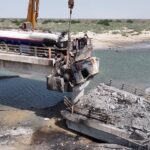
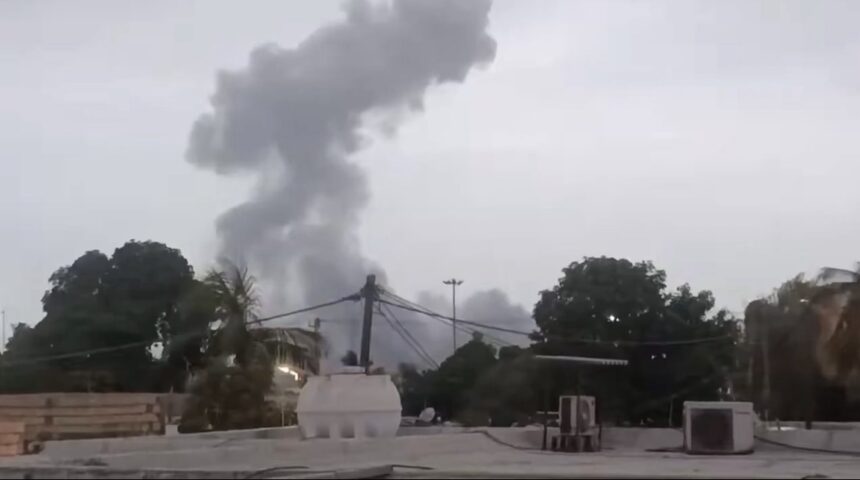
Reports of fresh U.S. military strikes on Iran’s southeastern Chabahar port emerged this morning, with circulating footage showing thick black smoke rising over the area and significant damage to a tall observation or lighthouse structure. The visuals depict a multi-story tower-like building collapsing amid clouds of dust and debris, alongside billowing smoke over nearby buildings and coastal infrastructure.
These developments come amid ongoing escalation between the United States and Iran, expanding the conflict’s reach along Iran’s Gulf of Oman coastline.
Details of the Reported Strikes
Footage from the scene reveals heavy smoke plumes rising in daylight conditions, consistent with recent explosive impacts on port-related facilities. Reports specifically mention strikes targeting a lighthouse and observation tower at the port, part of broader efforts to degrade maritime capabilities.
This follows confirmed U.S. operations in early July that damaged the maritime traffic control tower, marine piers (including the Shahid Beheshti dock), and power infrastructure, leading to widespread outages in parts of Chabahar.3
More Read

Chabahar Port: Iran’s Strategic Gateway
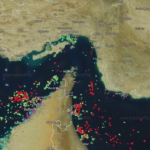
Located on the northern shore of the Gulf of Oman near the Pakistan border, Chabahar serves as Iran’s only deep-water oceanic port. Unlike facilities in the Strait of Hormuz, it provides direct access to the Indian Ocean, making it vital for Iran’s trade, military logistics, and efforts to circumvent potential blockades.
The port includes key terminals like Shahid Beheshti and Shahid Kalantari. India has invested substantially—over $120 million in equipment under a 10-year agreement—to develop the facility as a hub for connectivity with Afghanistan and Central Asia via corridors like the International North-South Transport Corridor (INSTC). This bypasses Pakistan and supports regional trade in wheat, pulses, machinery, and more.1
More Read

aoAWM“LARGE”
India’s Response and Economic Concerns
India’s Ministry of External Affairs (MEA) addressed reports of the latest incidents, confirming that the Indian-operated terminal at Chabahar sustained no damage. Officials noted continued discussions with stakeholders regarding an expired U.S. sanctions waiver and future port operations.
The strikes introduce uncertainty for India’s strategic investments, though operations at unaffected sections reportedly continue where possible.
Broader Context of U.S.-Iran Tensions
President Donald Trump previously declared an earlier ceasefire with Iran “over,” citing attacks on commercial shipping in the Strait of Hormuz. U.S. Central Command described operations as targeting assets threatening freedom of navigation, with dozens of sites hit across Iranian provinces in early July waves.4
Chabahar strikes mark an expansion beyond the Strait of Hormuz, raising concerns over Indian Ocean shipping routes, energy security, and regional stability. Previous incidents involved around 10 explosions in the Chabahar area, power line damage, and minor impacts on nearby facilities.
Potential Implications
- Maritime Trade: Disruption could affect alternative routes for oil, cargo, and humanitarian aid, potentially increasing insurance costs and rerouting traffic.
- Regional Geopolitics: The port’s proximity to Pakistan’s Gwadar and its role in Eurasian connectivity heighten its sensitivity.
- Humanitarian Impact: Power outages and infrastructure damage affect local residents, with emergency services responding in prior events.
- Escalation Risks: Repeated targeting of southern ports signals a widening conflict, with potential for Iranian retaliation or involvement of proxies.
Analysts watch closely for official confirmations from U.S. or Iranian authorities as the situation evolves rapidly.
More Read
Key Takeaways:
- Chabahar remains Iran’s key oceanic port outside the Strait of Hormuz.
- Indian-backed terminal reported unharmed in latest developments.
- Strikes target maritime control and observation infrastructure.
- Broader U.S. campaign focuses on shipping threats.
This story is developing. Updates will depend on verified statements from involved parties and independent assessments of damage. For ongoing coverage, monitor major international news sources on U.S.-Iran relations and Gulf security.