

Washington, D.C. — July 17, 2026 — President Donald Trump has ordered federal teams into every U.S. state where election data was compromised by China, following the declassification of intelligence documents revealing years of alleged Chinese meddling, hacking of voter records, and a coordinated “deep state” effort to suppress the information from the public and even the president himself.
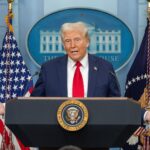
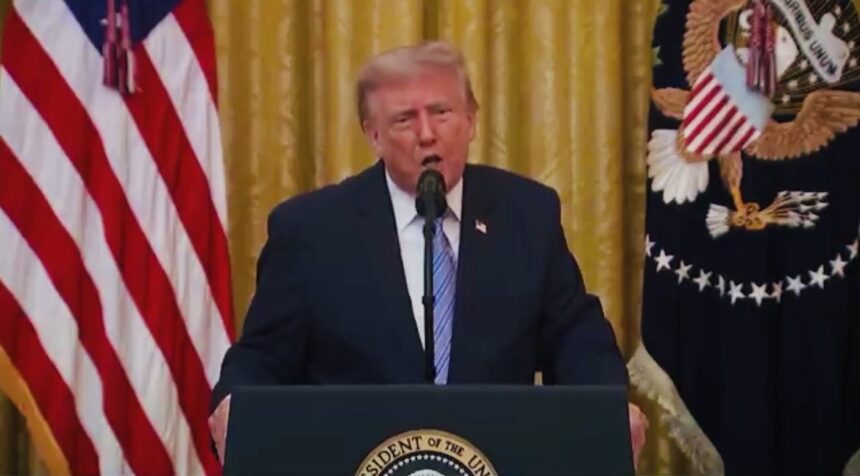
The move comes one day after Trump’s primetime address from the White House on election security, where he laid out explosive claims based on newly released documents from U.S. intelligence agencies. The story has ignited fierce debate over election integrity, foreign interference, and U.S.-China relations just months before the 2026 midterm elections.
Trump’s Breaking Announcement: “We Can Never Watch a Stolen Election Again”
In a statement shared widely on social media and tied directly to the declassified files, Trump declared that his administration is taking immediate, decisive steps:
“We will be working closely to mitigate any harm and we’re taking swift action to ensure that sensitive voter data is better protected so we can never be bought. We can never be hacked and we can never watch a stolen election again!”
He directed the Office of the Director of National Intelligence (DNI), Department of Justice (DOJ), FBI, and CIA to investigate how and why critical information about China’s activities was hidden, with instructions to fire those involved in any cover-up and pursue criminal charges where appropriate.
Trump emphasized that U.S. adversaries including China, Russia, Iran, North Korea, and non-state actors have long had the capability to compromise election infrastructure. Documents reveal that intelligence agencies knew about the compromise of voter registration files as early as 2020, with tens of millions of voter records in at least 18 states reportedly bought, stolen, or hacked by China.
More Read

One assessment noted: “We judge that the United States’ adversaries, including at a minimum Russia, China, Iran, North Korea, as well as non-state groups, have the capability to compromise your selection infrastructure.”
Declassified Documents Expose Alleged “Shadow Government” Suppression
The released files paint a picture of systematic suppression. Trump highlighted an FBI official who allegedly ran a “shadow government” to keep intelligence about China’s election meddling from becoming public and away from the press.
Key revelations include:
More Read

- Dozens of significant CIA and NSA reports on China’s election targeting were deliberately kept out of presidential daily briefings.
- Analysts admitted to “deliberately massaged” briefings to withhold information on Chinese activities.
- China allegedly signed a dedicated data exploitation unit for this purpose.
- Americans were repeatedly told the 2020 election (and prior cycles) was “the most secure in history” despite internal knowledge of vulnerabilities.
Trump stated that concealing China’s meddling was “only the beginning,” and that for years, the public was “blatantly lied to” about the security of electronic voting machines and ballot-counting systems.28
Scale of Alleged Chinese Compromise: “Largest in History”
According to reports tied to the declassified materials and Trump’s speech, China accessed or compromised voter registration data containing names, addresses, phone numbers, and party preferences on a massive scale — with some accounts citing up to 220 million U.S. voter files. The breaches reportedly affected multiple states and dated back to at least 2018 midterms and the 2020 presidential election.
While previous intelligence assessments (some declassified earlier) noted China analyzed voter data but did not conclude it altered vote tallies or directly hacked counting machines in 2020, Trump’s team argues the full picture was suppressed and that vulnerabilities in election infrastructure remain a grave national security threat.31
Broader Context: Trump’s Evolving but Firm Stance on China
This election security crackdown fits into Trump’s long record of confronting China on multiple fronts while also pursuing pragmatic diplomacy:
- Trade and Tariffs: Trump has repeatedly imposed and threatened massive tariffs on Chinese goods (including proposals for 100%+ tariffs in response to perceived aggression). He has accused China of unfair trade practices, intellectual property theft, and flooding markets with fentanyl precursors. Recent deals have included commitments on soybeans, beef, Boeing aircraft, rare earths, and fentanyl cooperation.
- Taiwan and Geopolitics: Trump has described the U.S. and China as forming a “G2” of peer superpowers. He has held arms sales to Taiwan “in abeyance” as a negotiating chip, urged both sides to “cool down” rhetoric, and warned against Taiwan independence provoking conflict. He has praised Xi Jinping effusively as a “towering leader” and “great leader” while stressing he does not want war.
- Personal Diplomacy with Xi: Trump has hosted or planned meetings with Xi, including expectations of a September 2026 visit to the U.S. (coinciding with UNGA). He has thanked Xi for staying neutral during the U.S.-Iran conflict and warned him privately to “stay out.”
- Other Warnings: Trump has accused China of trying to take control of the Panama Canal and issued strong statements against Chinese influence operations.
The current focus on election meddling represents a hardline national security dimension, even as trade and diplomatic channels remain active. Trump has framed it as protecting American democracy from foreign actors who seek to undermine it.
Actions Ordered and Next Steps
Trump is directing federal resources to affected states to:
More Read
- Assess and mitigate damage to compromised voter data.
- Enhance protections against future hacks or purchases of sensitive information.
- Review and secure election infrastructure, with renewed calls for paper ballots and stricter verification.
He has also pushed for legislation like the SAVE America Act, emphasizing voter ID, proof of citizenship, and better interstate/federal data sharing.
The administration is continuing to review and declassify additional documents through task forces involving intelligence agencies.32
Implications for 2026 and U.S.-China Relations
The revelations come at a critical time ahead of the November 2026 midterms. Critics argue the claims recycle longstanding debates and could erode public trust, while supporters see them as long-overdue transparency exposing vulnerabilities that previous administrations downplayed.
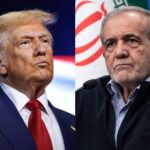
For U.S.-China relations, the moves signal that while Trump seeks deals on trade and stability, he will not tolerate perceived interference in core American institutions. Beijing has historically denied election meddling claims and framed such accusations as politically motivated.
Public and Political Reaction
The story has gone viral, with Trump allies amplifying the declassified files and calling for accountability. Opponents question the timing and accuracy, pointing to prior intelligence community assessments that found no successful alteration of vote counts by China in 2020.
Trump’s team maintains that the full scope of the threat — and the cover-up — is only now coming to light through aggressive declassification.
Conclusion: Securing Elections in an Era of Great Power Competition
President Trump’s latest moves on Chinese election interference underscore his “America First” approach: confront threats directly, demand transparency, and protect the integrity of U.S. democracy while navigating complex economic and diplomatic ties with Beijing.
As federal teams deploy to states and investigations into alleged cover-ups proceed, the coming weeks will likely bring more declassified material and policy announcements. One thing is clear from Trump’s words: He is determined that no foreign power including China; will ever again be in a position to compromise American elections.
“We can never be bought. We can never be hacked and we can never watch a stolen election again.” — President Donald Trump
This developing story will continue to shape headlines as more details emerge from the declassified intelligence and ongoing federal actions.