

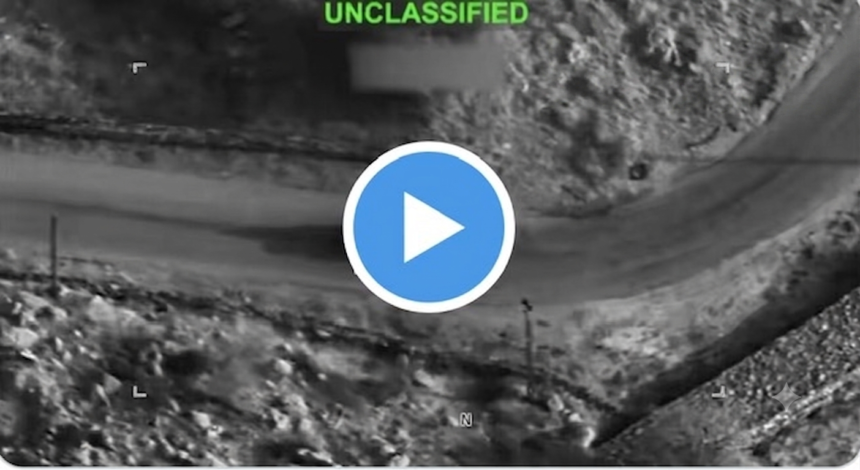
Newly released infrared video footage shared by OSINT analysts shows American forces conducting precision airstrikes against Iranian targets overnight, specifically hitting construction equipment and small boats. The clips, posted early on July 23, 2026, align with the latest updates from U.S. Central Command (CENTCOM) confirming the 12th consecutive night of operations against Iranian military capabilities.0
This release comes amid an ongoing U.S. campaign focused on degrading Iran’s ability to threaten commercial shipping in the Strait of Hormuz, a critical global energy chokepoint.
What the Footage Shows
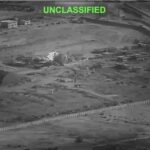
The approximately 24-second unclassified infrared video depicts multiple strikes from an aerial perspective with targeting reticles visible. Key sequences include:
- A vehicle or piece of construction equipment traveling along a dirt road in a rugged, arid landscape, which is then engaged and destroyed in a bright explosion.
- Subsequent impacts on ground targets that produce secondary blasts, debris, and smoke.
- A small boat on open ground or a dry riverbed/coastal area that is precisely targeted and obliterated in a large fireball.0
OSINT accounts described the targets as construction equipment and small boats, consistent with prior U.S. efforts to neutralize Iranian maritime assets, including IRGC small boats previously used in harassment or attack roles near the Strait of Hormuz.
More Read

CENTCOM Official Statement on the Latest Strikes
In a statement released around the same time, U.S. Central Command reported that at 10:30 p.m. ET on July 22, forces completed another round of strikes against Iran. Targets included:
- Maritime capabilities
- Missile and drone storage facilities
- Coastal surveillance sites
- Air defense assets
CENTCOM emphasized that the strikes “further degrade Iran’s ability to attack civilian mariners and commercial vessels.” The command also noted that this month American forces have targeted dozens of Iranian military sites on land while enforcing a naval blockade of Iranian ports. As of July 22–23, CENTCOM had redirected nine commercial vessels and disabled one to prevent ships from entering or departing Iranian ports. More than 50,000 U.S. service members remain postured across the Middle East.1
More Read
Earlier on July 22, CENTCOM announced the start of the latest wave of strikes at 5:30 p.m. ET, continuing the pattern of nightly operations ordered by the Commander in Chief.
Broader Context of the US-Iran Campaign
These operations form part of a sustained U.S. effort that resumed after a temporary ceasefire earlier in 2026 collapsed amid renewed Iranian attacks on commercial shipping in the Strait of Hormuz. The United States reinstated a naval blockade of Iranian ports in mid-July and has conducted consecutive nights of precision strikes targeting command centers, air defenses, coastal radars, missile/drone infrastructure, and maritime assets.4
The campaign aims to restore freedom of navigation through the strait, which handles a significant share of global oil and gas shipments. CENTCOM has repeatedly stated that commercial traffic continues with U.S. support, noting that American forces have helped facilitate the transit of hundreds of vessels and hundreds of millions of barrels of crude in recent months.
Iran has responded with missile and drone attacks on U.S. and partner positions in the region, including Jordan, Bahrain, Kuwait, and other Gulf locations, resulting in American service member casualties in prior incidents. Both sides have traded warnings involving civilian infrastructure, with the U.S. indicating potential responses against bridges or power plants if Iran continues targeting ships.
Strategic Implications and Ongoing Vigilance
More Read

The release of this specific footage highlighting construction equipment and small boats underscores the tactical focus on low-signature, mobile, or dual-use assets that could support Iranian maritime operations or logistics. Precision munitions and surveillance platforms allow U.S. forces to engage such targets with reduced collateral risk, according to official descriptions of previous similar operations.
As of July 23, 2026, the situation remains highly dynamic. CENTCOM continues to stress that American forces are “highly vigilant, focused, lethal, and ready.” Global energy markets have reacted to the prolonged disruption risks, with oil prices elevated during periods of intensified activity.
This latest video and statement provide a clear public window into the ongoing degradation campaign. Further updates from CENTCOM are expected as operations continue. For the most current official information, refer directly to U.S. Central Command releases.