

Ousted Venezuelan leader and wife face status conference that could set June 2027 trial date in high-profile U.S. prosecution
New York — Former Venezuelan President Nicolas Maduro and his wife, Cilia Flores, are scheduled to appear Wednesday in Manhattan federal court for an important pretrial hearing in their drug trafficking and weapons case.
The session before U.S. District Judge Alvin Hellerstein at the Daniel Patrick Moynihan United States Courthouse focuses on setting the overall timeline for the case, including a proposed trial start in June 2027. Both sides filed a joint proposal Tuesday outlining next steps in what stands as one of the most significant prosecutions of a foreign leader on U.S. soil in decades.
Capture and Initial Proceedings
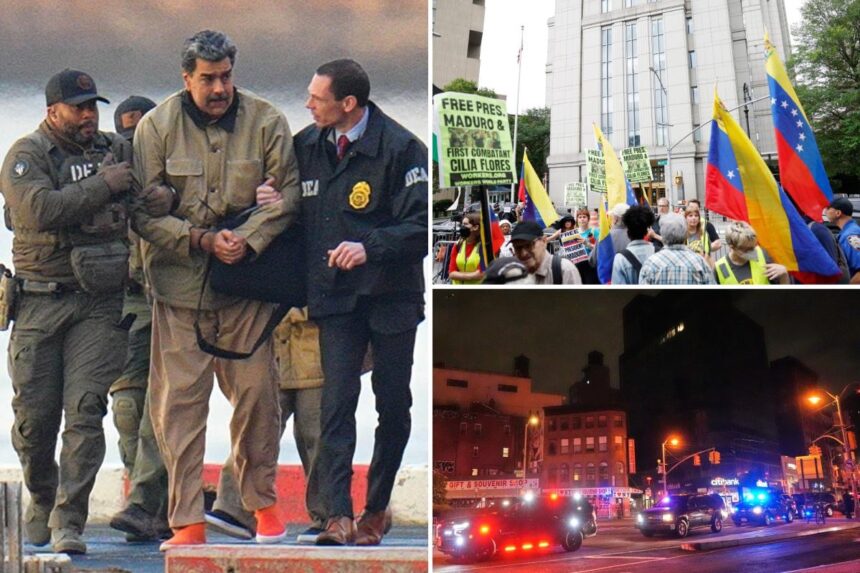
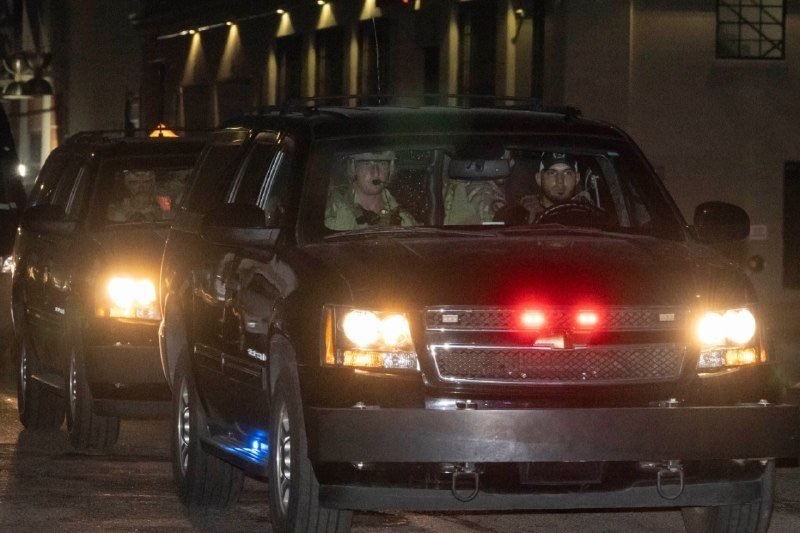
U.S. special forces seized Maduro and Flores from their heavily guarded home in Caracas during a nighttime raid on January 3, 2026. The operation, ordered by President Donald Trump, led to their swift transport to the United States.
More Read
Source: X/opensourceintel
Authorities brought the couple to New York, where they were held at the Metropolitan Detention Center in Brooklyn. Prosecutors unsealed a superseding indictment charging them with using their positions in Venezuela’s government to facilitate large-scale cocaine shipments into the United States.
The charges include narcoterrorism conspiracy, cocaine importation conspiracy, and weapons offenses involving machine guns and destructive devices. If convicted, Maduro faces the possibility of life in prison.
Maduro and Flores made their first court appearance on January 5, 2026. Both entered pleas of not guilty. During the hearing, Maduro told the court through an interpreter that he had been captured at his home and described himself as the constitutional president of Venezuela. He also referred to himself as a prisoner of war. Judge Hellerstein cut short some of his remarks and entered not guilty pleas on his behalf after confirming his identity.1
More Read
What the Hearing Could Determine
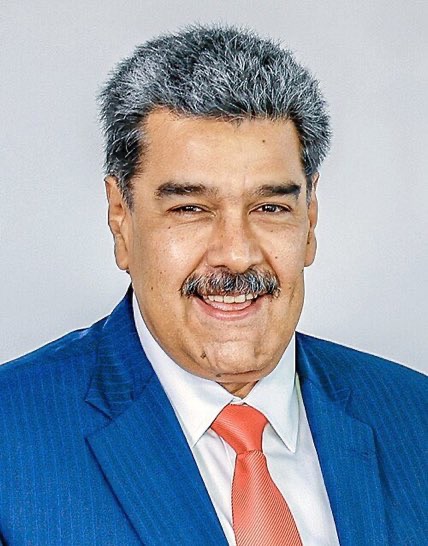
Wednesday’s status conference represents the latest step in a case that has already seen several developments. Lawyers for both the government and the defense proposed a June 2027 trial date in their Tuesday filing. Judge Hellerstein will ultimately set the schedule, and the parties noted they may request adjustments.27
The filing also outlined a proposed timeline for pretrial motions. Maduro’s first round of legal filings, likely to include a motion to dismiss on head-of-state immunity grounds, would be due September 2, 2026. A second round of motions could follow in January 2027 after prosecutors provide any classified evidence for defense review.
The case has already addressed issues such as funding for the defense. Maduro’s legal team, led by attorney Barry Pollack, previously argued restrictions on Venezuelan government funds limited their ability to mount an effective defense. That dispute reached a resolution earlier this year after modifications to sanctions allowed certain payments.
Broader Context of the Prosecution
U.S. authorities have long accused Maduro of overseeing a network that used Venezuelan territory and officials to move cocaine, often in coordination with groups designated by the United States as foreign terrorist organizations. The indictment alleges these activities enriched Maduro and others while harming American interests.
More Read

The United States has not recognized Maduro as Venezuela’s legitimate leader since 2019. Officials have described the January operation as a lawful law enforcement action to bring a fugitive to justice rather than a traditional military intervention.
Maduro has consistently denied the allegations, calling the charges politically motivated and aimed at gaining control over Venezuela’s oil resources. His defense has signaled plans to challenge the legality of his capture and the court’s jurisdiction.
Venezuela After the January Operation
Since Maduro’s removal from power, Venezuela has operated under new leadership, with former Vice President Delcy Rodriguez at the helm. The country has seen improved diplomatic and economic ties with the United States, including eased sanctions on the oil sector that have allowed greater foreign investment. U.S. military assistance also arrived following recent earthquakes that struck the Venezuelan coast.
The case against Maduro continues to draw international attention due to its implications for U.S. foreign policy, drug enforcement strategy, and the use of military force to apprehend foreign officials.
Next Steps in the Case
Wednesday’s hearing is expected to provide clearer direction on how quickly the matter moves toward trial. Legal experts note that motions challenging immunity and the circumstances of the capture could extend the timeline significantly.
Maduro remains in federal custody in Brooklyn as the proceedings advance. His wife faces the same core charges and has also pleaded not guilty.
The prosecution marks a rare instance of a former head of state facing trial in a U.S. federal courtroom on narcoterrorism-related counts. Observers expect further legal battles over classified information, international law questions, and the scope of executive authority before any jury hears the evidence.
As the case progresses through the summer and into the fall, additional filings and hearings will shape the path forward for what could become a landmark legal proceeding with lasting effects on U.S.-Venezuela relations and global counternarcotics efforts.