

U.S. immigration authorities have issued a direct warning to foreign content creators and influencers planning to attend the 2026 FIFA World Cup: producing and monetizing content while in the country on a tourist visa is considered unauthorized work and violates entry conditions.
In a joint statement provided to media outlets, U.S. Customs and Border Protection (CBP) and the Department of Homeland Security (DHS) made their position clear:
“Coming to the United States with the sole purpose of creating content (as an influencer), thereby generating earnings from the United States while in the country, is considered work and requires the appropriate visa. People who enter the United States under a visitor program and receive income from a U.S. source would be violating the conditions of their admission status.”28
The B-2 tourist visa (or Visa Waiver Program/ESTA for eligible countries) is intended for leisure, vacations, family visits, or medical treatment. It explicitly does not permit engaging in any form of employment or income-generating activities while on U.S. soil. Violators risk having their visa canceled, immediate removal from the country, and potential bars on future entry.
Context for the 2026 World Cup
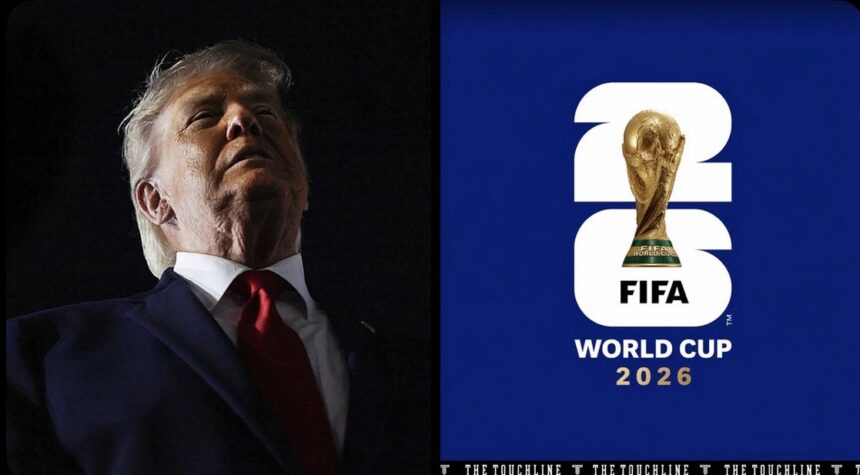
The tournament, co-hosted by the United States, Canada, and Mexico, will see the majority of its matches played on American soil across major cities including Los Angeles, New York, Miami, and Atlanta. With massive global audiences expected, many foreign creators have traditionally used tourist visas to film fan experiences, match reactions, and sponsored content.
CBP and DHS are now emphasizing that when content creation becomes the primary purpose of the trip and leads to earnings (through ads, sponsorships, platform revenue, or brand deals tied to U.S.-based activity), it crosses into professional work that requires proper authorization.
More Read

Casual, non-monetized filming as a regular tourist remains generally acceptable, but authorities have noted that creators’ own videos often provide evidence of intent and activity if scrutinized at the border.
Available Options for Legitimate Creators
- I Visa: For representatives of foreign media, press, film, and related industries engaged in professional reporting or production.
- O-1 Visa: For individuals with extraordinary ability in fields like the arts or entertainment, which can cover high-profile influencers under certain conditions.
- Other work-appropriate visas may apply depending on the specific circumstances.
CBP’s general World Cup travel page focuses on facilitating safe entry for fans and visitors but does not alter these longstanding visa rules.
The reminder comes as part of broader efforts to enforce immigration regulations consistently ahead of the high-profile event. Creators intending to produce professional-level, income-generating content in the U.S. are advised to secure the correct visa well in advance rather than relying on tourist entry.
More Read

Authorities will make final determinations on admissibility at ports of entry, regardless of any pre-approved visa or ESTA.