

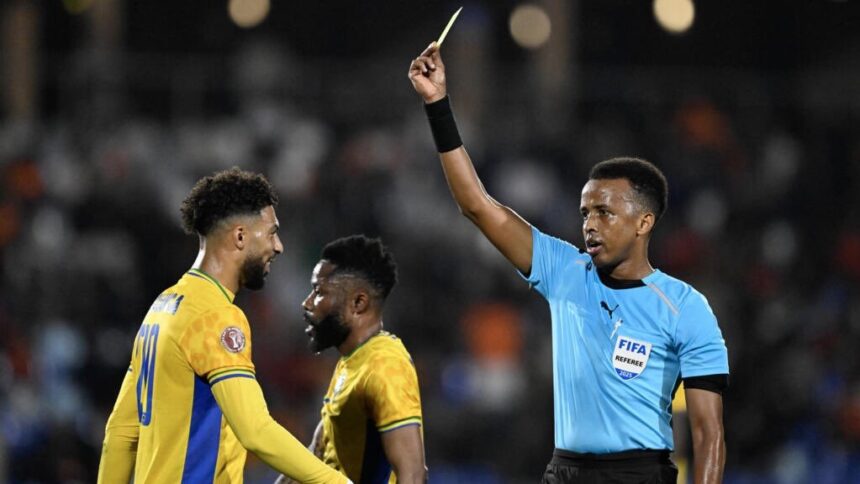
A promising milestone for Somali football has turned into disappointment and controversy. Omar Abdulkadir Artan, one of Africa’s top referees and the first from his country selected to officiate at a FIFA World Cup, will miss the 2026 tournament after US authorities denied him entry at Miami International Airport.
A Historic Selection Shattered at the Border
FIFA announced its list of match officials for the 2026 World Cup back in April. Artan, a 34-year-old from Mogadishu, stood out as a groundbreaking choice. He was one of just three center referees from Africa picked for the expanded 48-team tournament co-hosted by the United States, Canada, and Mexico.
For Somalia, a nation still rebuilding its football infrastructure after years of conflict, this appointment represented far more than one man’s opportunity. It symbolized progress and hope on the global stage. Artan had already broken barriers in African competitions. In 2025, he became the first Somali referee to take charge of a CAF Champions League final, overseeing Pyramids FC’s victory over Mamelodi Sundowns in Cairo. He also officiated at the Africa Cup of Nations and earned the prestigious title of CAF Men’s Referee of the Year.
Born in 1992 amid Somalia’s civil war, Artan rose through the ranks with determination. He joined the FIFA international referees list in 2018 and steadily built a reputation for sharp decision-making, composure under pressure, and deep game knowledge. Colleagues and observers often praised him as one of the brightest young talents in African refereeing.
The Incident at Miami Airport
Over the weekend, Artan flew from Istanbul, Turkey, to Miami with what reports describe as valid travel documents, including a US visa and a diplomatic passport. He was heading to a mandatory FIFA pre-tournament seminar for officials.
More Read

Instead of proceeding to preparations, he faced questioning from US Customs and Border Protection officers. Authorities ultimately deemed him inadmissible due to “vetting concerns” and denied entry. He was sent back to Turkey, where he remains as of Monday.
The US Department of Homeland Security confirmed the decision, stating Artan was determined inadmissible after arrival. Somalia falls under certain US travel restrictions, a factor that has fueled speculation and debate online, though officials have not publicly detailed the exact reasons beyond the vetting process.
FIFA’s Response and the Limits of Its Influence
FIFA moved quickly to address the situation. In a statement issued on Monday, the governing body confirmed that Artan would be unable to train or officiate at the World Cup.
More Read

“FIFA can confirm that match official Omar Abdulkadir Artan will be unable to train and officiate at the FIFA World Cup 2026 after he was denied entry into the United States,” a spokesperson said. FIFA emphasized it plays no role in host country visa or immigration processes, a standard position for tournaments held around the world.
This marks a significant blow not just for Artan personally but for the diversity of officials at the tournament. With 52 center referees selected overall, African representation was already limited, and Artan’s absence leaves a notable gap.
Reactions from Somalia and the Football Community
News of the denial spread rapidly, sparking disappointment and frustration across Somali and African football circles. Isse Aden Abshir, a senior adviser to Somalia’s Ministry of Youth and Sports and a former national team captain, confirmed Artan had proper documentation and expressed deep regret over the outcome.
Social media platforms lit up with messages of support for Artan and questions about fairness in international football. Many highlighted the irony of a “global” tournament facing barriers for participants from certain nations. Others pointed to broader challenges referees and teams sometimes encounter with visas when major events are hosted in countries with strict entry policies.
For Somali football, which has worked hard to rebuild amid adversity, the episode feels particularly painful. The country has produced talented players and officials over the years, but opportunities at the highest level remain rare. Artan’s selection had generated genuine excitement and national pride.
Broader Context for the 2026 World Cup
The 2026 tournament promises to be the largest World Cup yet, with 48 teams and matches spread across three countries. Preparation for officials includes seminars, fitness testing, and detailed briefings on new rules and technologies like expanded video assistant referee systems.
More Read

Referees must arrive early to align with FIFA’s high standards. Artan’s exclusion means FIFA will likely draw from reserve lists or reallocate duties among the remaining officials. While the tournament will proceed without him, the incident raises questions about how host nations balance security and vetting with the inclusive spirit of global sport.
Travel and visa issues are not entirely new in international football. Past tournaments have seen similar complications for players, coaches, and officials from various countries. However, cases involving high-profile, merit-based selections like Artan’s tend to draw extra attention.
Artan’s Career Highlights and What Lies Ahead
Despite this setback, Artan’s achievements remain impressive. He has handled high-stakes matches across Africa with poise. His average of around 3.4 yellow cards per game in recent competitions suggests a balanced approach that manages the game without excessive cards.
At 34, he is still in his prime as a referee. FIFA listings allow officials to continue for years if they maintain fitness and performance standards. Many expect Artan to bounce back and target future international assignments, perhaps including the next cycle of African competitions or beyond.
For now, though, the focus remains on the immediate disappointment. Supporters have urged calm and continued backing for the referee, hoping this episode does not overshadow his contributions to the sport.
Reflections on Merit, Opportunity, and Global Sport
This story touches on larger themes in modern football. On one hand, selection processes emphasize skill and experience. Artan earned his place through consistent excellence. On the other, practical realities of international travel and geopolitics can override sporting merit.
FIFA faces the challenge of staging events in different parts of the world while ensuring all selected participants can actually attend. Host nations retain sovereignty over their borders, creating inevitable tensions.
As preparations for 2026 intensify, the football world will watch how this situation is handled and whether similar issues arise for other officials or teams. For Omar Artan, the dream of refereeing at football’s biggest stage has been deferred. His journey from war-torn Mogadishu to the brink of World Cup history already stands as an inspiration for many young Somalis dreaming of their own breakthroughs.
The coming days may bring more clarity or updates from involved parties. Until then, the football community continues to process a story that mixes pride in achievement with frustration over circumstances beyond the pitch.