

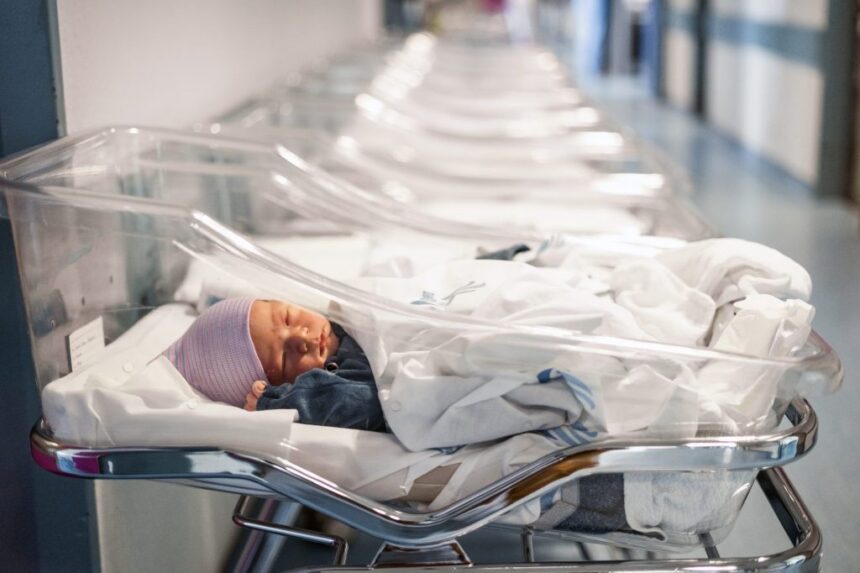
A prominent Chinese gaming billionaire has admitted to fathering more than 100 children born on US soil through surrogacy, automatically granting them American citizenship while the kids are raised in China. The case has fueled fresh concerns about large-scale birth tourism and its impact on US sovereignty.
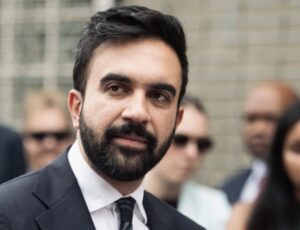
Xu Bo, 48, founder of Duoyi Network, describes himself as “China’s first father.” His company publicly stated he has “a little over 100” US-born children via surrogacy. A Wall Street Journal investigation revealed Xu appeared in a California family court seeking parental rights for multiple children, with some living under nanny care in Irvine before heading to China.
Senator Jim Banks Sounds Alarm on Birth Tourism Scale
US Senator Jim Banks (R-Indiana) spotlighted the story in a recent X post.
“A Chinese billionaire says he fathered 100+ US citizen-children by surrogacy,” Banks wrote. “1M+ Chinese nationals are ‘US citizens’ being raised in China. There are 1K+ Chinese birth tourism companies. We must end this mess. We must defend our sovereignty. We must pass the Citizenship Act.”
More Read

Birth tourism refers to foreign nationals traveling to the United States specifically to give birth, securing US passports for their children under the 14th Amendment’s birthright citizenship clause. Surrogacy has supercharged the trend among wealthy Chinese clients, since commercial surrogacy remains illegal in China.
How Big Is Chinese Birth Tourism in the US?
Estimates vary, but analysts tracking the industry point to significant numbers. Peter Schweizer and others cite Chinese sources suggesting 50,000 or more such births per year over the past 15 years, potentially totaling 750,000 to 1.5 million US citizen children now living in China.
More Read
Federal prosecutions have exposed organized operations. One California ring helped hundreds of Chinese women use tourist visas while hiding pregnancy intentions, charging tens of thousands of dollars per client. California business records list over 100 surrogacy-related companies, many with Chinese ties.
The American Society for Reproductive Medicine reports thousands of annual international surrogacy cycles in the US, with Chinese nationals representing a leading group. Packages often include medical services, housing, and legal help to establish the child’s US citizenship.
National Security and Policy Implications
Critics warn that children born through these arrangements, raised in China with limited US cultural ties, could pose future risks. As adults, they would hold full rights to vote, work, and access government benefits in America.
Lawmakers have introduced bills to restrict birth tourism and foreign use of US surrogacy. The proposed Citizenship Act aims to close loopholes that allow planned births by non-residents to confer automatic citizenship.
US immigration officials continue investigations into visa fraud linked to birth tourism. Past raids targeted “birth hotels” in California and other states catering to Chinese clients.
More Read

What Happens Next?
The Xu Bo case puts a spotlight on how unregulated aspects of the US fertility industry intersect with global citizenship strategies. As debates intensify in Congress, expect more scrutiny on birth tourism companies, surrogacy oversight, and potential changes to birthright citizenship rules.
This story continues to develop, with growing calls for transparency in international surrogacy and stronger border policies to protect American citizenship integrity.