

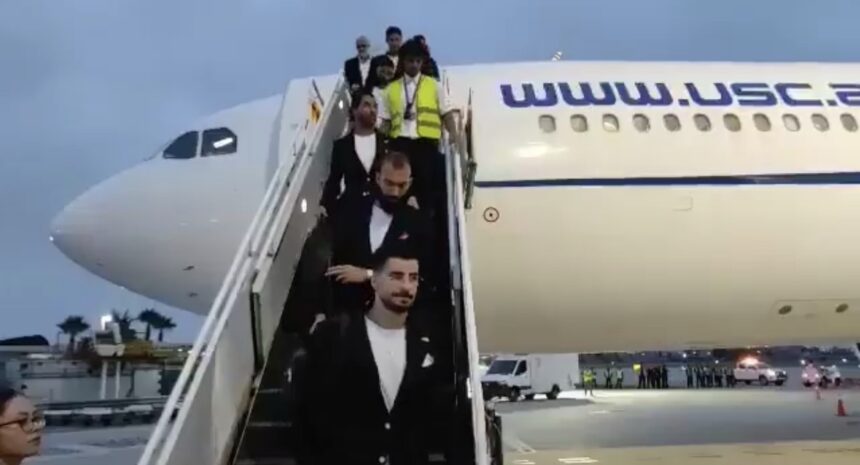
Tijuana, Mexico — Iran’s national soccer team landed in this border city early on Sunday to set up its training base ahead of the 2026 FIFA World Cup. The move comes after the team shifted plans from the United States due to visa complications and geopolitical tensions.
Last-Minute Relocation from Arizona
The Iranian Football Federation originally planned to base the team in Tucson, Arizona. However, FIFA approved a switch to Tijuana’s Centro Xoloitzcuintle facilities, home to Mexican club Club Tijuana, also known as the Xolos.
Federation officials cited the proximity to U.S. match venues and full access to training fields, gyms, and other amenities as key benefits. Tijuana sits just south of San Diego, offering relatively short travel times to stadiums in Los Angeles and Seattle.
Visa Issues Force Daily Commutes
U.S. authorities granted visas to all players and essential support staff. Yet Iran says several key managerial, technical, and administrative members were denied entry, prompting the base camp change.
As a result, the squad will train in Mexico and fly into the United States only on match days. They plan to return to Tijuana the same night rather than staying overnight north of the border.
More Read

Iranian officials described the visa denials as vindictive and politically motivated. U.S. officials countered that necessary visas for competition were issued, citing security concerns.
High Security Arrival Amid Tensions
Video footage showed the team arriving under tight security after departing from Turkey. Players and staff disembarked at Tijuana International Airport in the early morning hours.
Club Tijuana expressed pride in hosting the team, with local facilities ready to support Iran’s Group G campaign. Iran faces New Zealand, Belgium, and Egypt in the group stage, with matches scheduled at U.S. venues including SoFi Stadium.
More Read

The 2026 World Cup, co-hosted by the United States, Canada, and Mexico, begins on June 11. Iran’s opening match is set for June 15. Coach Amir Ghalenoei and his players now focus on preparations despite the logistical challenges.