

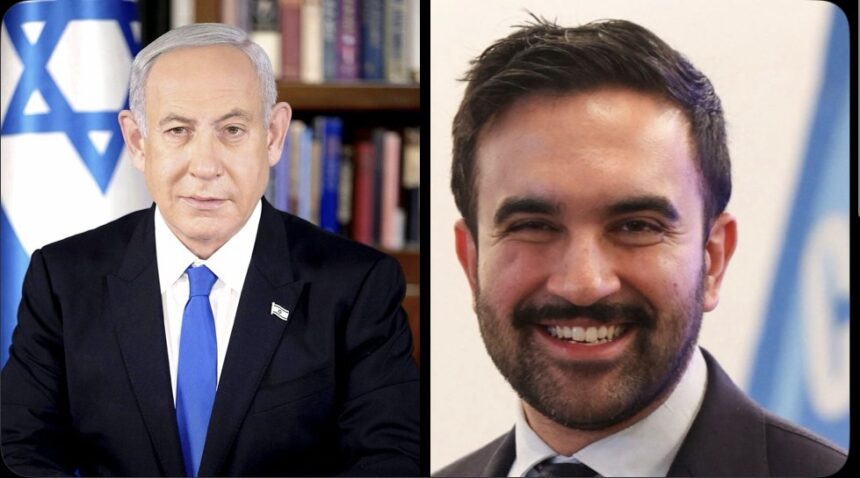
Israeli Prime Minister Benjamin Netanyahu has delivered a blunt assessment of New York City Mayor Zohran Mamdani. He described the mayor as someone aligned with terrorist actors who ultimately hates America.
In recent comments, Netanyahu said Mamdaniwww stands “with the terror actors.” He explained that individuals who hate Jews and Israel often extend that hostility to the United States as well. “And in fact, I think secretly, he hates America,” Netanyahu stated.
The remarks follow Mamdani’s repeated pledges to arrest Netanyahu if he enters New York City. Mamdani has pointed to an arrest warrant issued by the International Criminal Court against the Israeli leader over the Gaza conflict. Netanyahu plans to attend the United Nations General Assembly in New York this September, setting up a potential clash with local authorities.
Mamdani, a progressive Democrat and vocal critic of Israeli policy, has framed his position as a commitment to international law. He has said New York should enforce ICC warrants, drawing comparisons to actions against other figures like Vladimir Putin. His stance has energized supporters who oppose Netanyahu’s government while drawing sharp pushback from pro-Israel voices who see it as overreach by a city mayor.
Netanyahu’s response underscores the deep divide. He questioned whether Mamdani truly fails to grasp the link between anti-Israel sentiment and broader anti-American feelings or simply does not care. The exchange adds fuel to ongoing debates about how American cities should handle foreign leaders facing international legal scrutiny.
More Read

As the September UN gathering approaches, attention will focus on whether Mamdani’s threats translate into real action by New York police and what that could mean for diplomatic protocol. Netanyahu has shown little concern about the political pressure from the mayor, viewing the comments as part of a larger pattern of hostility toward Israel and its allies.
The back-and-forth reflects broader tensions in U.S. politics over the Israel-Hamas war and the role of local officials in foreign policy disputes. Both sides continue to rally their bases ahead of the high-stakes visit.