

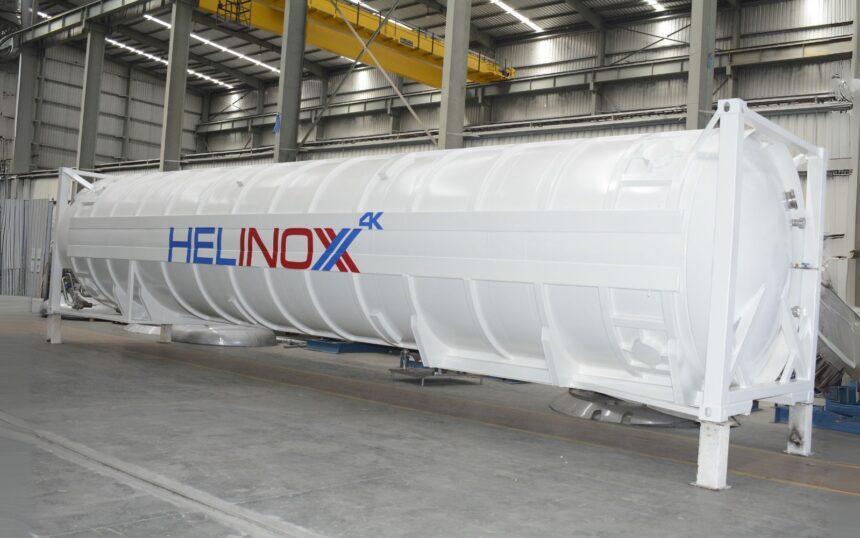
If you’ve ever sucked helium from a balloon at a kid’s party and sounded like a cartoon character, you know the gas for its silly voice effect. But right now, that same lightweight element is at the center of serious worries for the tech world. On July 10, 2026, China announced a temporary ban on all helium exports, effective immediately. The decision comes as renewed fighting between the US and Iran threatens to squeeze global supplies of this critical resource.
The move isn’t just about party tricks. Helium plays a quiet but essential role in making the semiconductors that power everything from your smartphone to the massive AI servers running models like Grok or ChatGPT. Without steady helium, chip factories can grind to a halt. And with China being a major player in the global electronics game, this export pause has people in boardrooms from Silicon Valley to Taipei paying close attention.
Why Helium Matters More Than You Think in Tech
Helium isn’t something factories can whip up in a lab on demand. It comes from natural gas fields and takes years to produce in meaningful quantities. In semiconductor manufacturing, it’s used in several key steps that simply don’t work well without it.
During the intense heat of etching and depositing layers on silicon wafers, helium acts as an ultra-efficient coolant. Its high thermal conductivity pulls heat away fast, keeping delicate chips from warping or failing. It also creates a perfectly inert atmosphere so oxygen or other contaminants don’t ruin the tiny circuits being built. In photolithography machines — especially the advanced extreme ultraviolet (EUV) systems that carve the smallest features on modern chips — helium helps maintain the vacuum and carry gases precisely where they need to go.
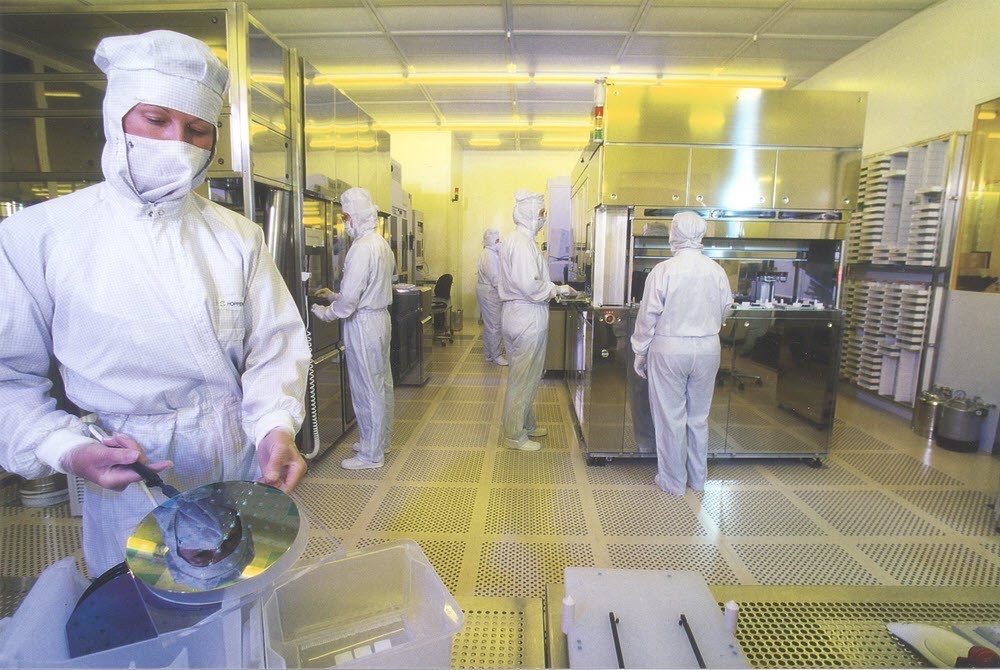
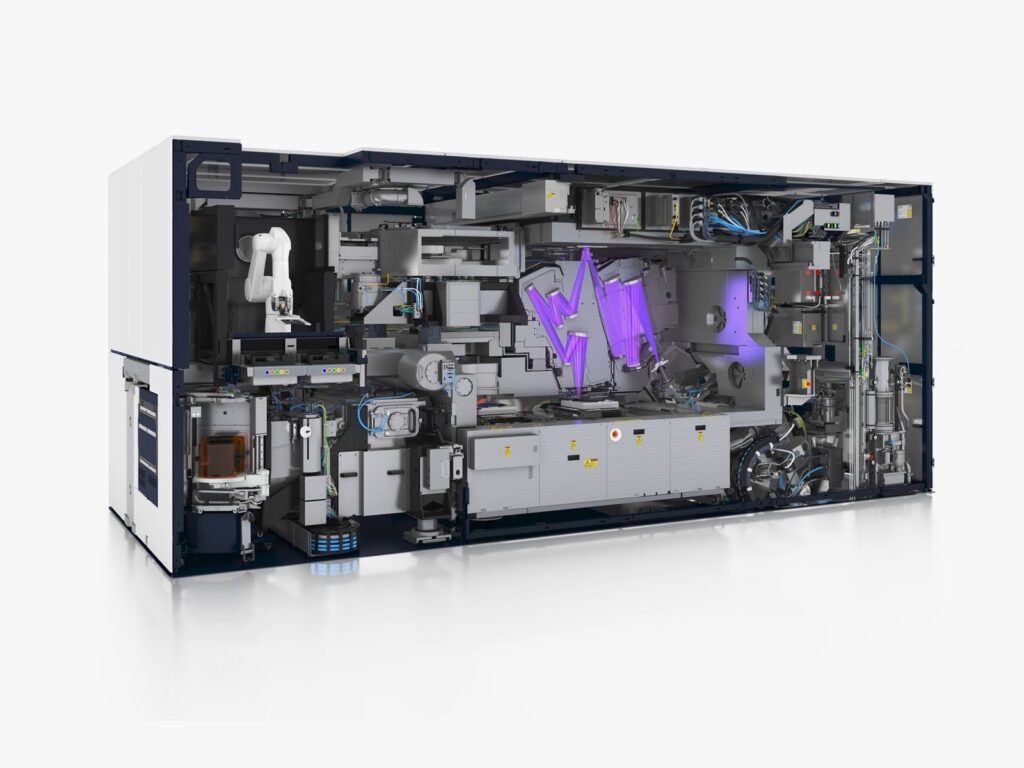
Advanced chips for AI training and high-performance computing rely heavily on these processes. A shortage here doesn’t just delay next year’s phones or laptops. It can slow down the entire AI boom that’s reshaping industries from healthcare to autonomous driving.
More Read

What Exactly Did China Announce?
China’s Ministry of Commerce and the General Administration of Customs issued a joint notice on July 10. They put temporary export controls on helium under customs code 2804290010. No more shipments out of the country until further notice. The goal, according to analysts, is straightforward: keep every available molecule inside China for its own chipmakers and tech giants.
China actually imports most of the helium it uses — around 85 percent, much of it from Qatar. It used to export small surplus amounts to other parts of Asia. That surplus is now off the table. The timing lines up with fresh disruptions from the Iran conflict. Earlier clashes had already hit helium flows from the Middle East, driving up prices and creating spot shortages worldwide. China is clearly deciding it can’t afford to let any gas leave while its domestic semiconductor push is in full swing.
The Bigger Picture: Geopolitics Meets Supply Chains
This isn’t happening in a vacuum. The US has spent years restricting advanced chip technology exports to China. Beijing has responded by pouring money into its own chip industry and tightening control over critical materials it can influence. Helium joins a growing list that includes rare earths, graphite, and certain chemicals.
More Read

The Iran situation adds another layer of uncertainty. Qatar supplies a huge chunk of the world’s helium, and any instability there quickly shows up in prices and availability. Russia has its own export controls in place. The result is a perfect storm of supply pressure that China is choosing to ride out by locking down what it has.
Experts like Cory Combs at Trivium China note that very few countries rely heavily on helium coming out of China. Most big chip producers source from the US, Qatar, or other places. So a total global meltdown isn’t the most likely outcome. Still, even marginal tightening can push prices higher and create headaches for fabs that run on just-in-time deliveries.
How This Could Hit Everyday Tech and AI
If the ban drags on or combines with other shortages, expect slower production ramps at foundries like TSMC in Taiwan or Samsung in South Korea. Those companies supply chips to Apple, Nvidia, AMD, and countless AI startups. Delays in one part of the chain often cascade.
AI companies in particular are sensitive. Training giant models already consumes enormous amounts of energy and specialized hardware. Any extra friction in getting the latest chips could slow innovation timelines or raise costs that eventually get passed to users.
On the consumer side, you might not notice right away. But longer waits for new GPUs, slower rollout of advanced phones, or higher prices for electronics are all possible if the situation worsens. Automakers using chips for electric vehicles and driver assistance systems could feel it too.
What Happens Next?
China has framed the ban as temporary, but no end date was given. Markets will be watching for any signals of easing or extension. In the meantime, companies are likely reviewing stockpiles, looking for alternative suppliers, and accelerating recycling programs where helium can be captured and reused.
More Read

Some analysts say this move actually highlights how vulnerable the entire industry is to single points of failure in the supply chain. Efforts to diversify helium sources — including new extraction projects in the US and elsewhere — may get fresh urgency. Recycling technology in fabs is improving, but it takes time and investment to scale.
For now, the helium story serves as another reminder that the smooth flow of tiny chips we all take for granted depends on a fragile web of resources, geopolitics, and quiet industrial processes most of us never think about.
The viral post from Mario Nawfal that highlighted this development put it bluntly: China is holding the tech world “hostage” with something as seemingly harmless as helium. The reality is more nuanced — a calculated move to protect domestic priorities amid real global pressures. But the message is clear. In today’s interconnected world, even the gas that makes balloons float and voices squeak can become a strategic chokepoint.
Keep an eye on updates from Beijing and major chipmakers in the coming weeks. The next chapter in this supply chain saga is still being written, and it could shape how fast AI and advanced electronics keep advancing in the months ahead.