

Las Vegas jury convicts former Compton Crips leader of orchestrating the 1996 drive-by shooting that killed the rap icon
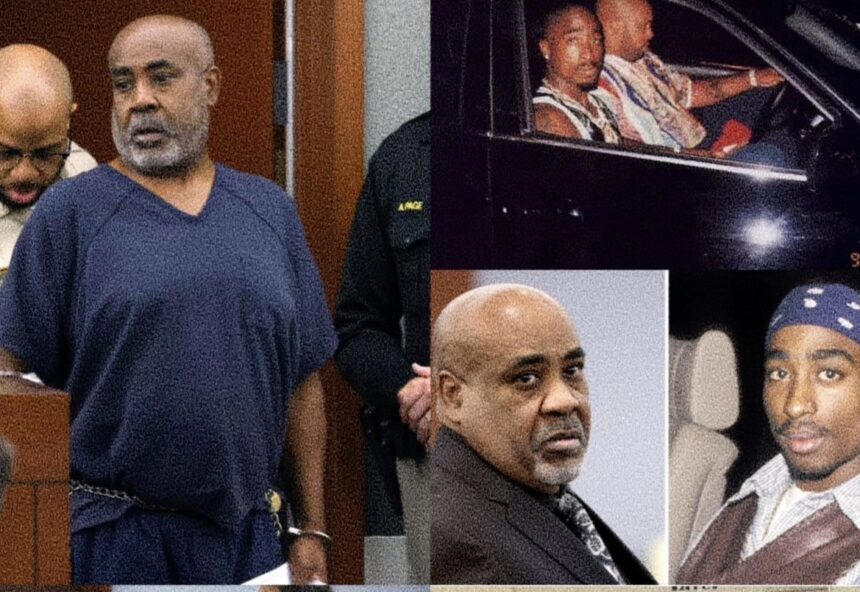
A Las Vegas jury on Monday, August 31, 2026, found Duane Keith “Keefe D” Davis guilty of first-degree murder with a deadly weapon in the 1996 killing of Tupac Shakur, marking the first conviction in one of hip-hop’s most infamous unsolved cases.
The 63-year-old former South Side Compton Crips shot-caller was convicted of orchestrating the drive-by shooting that left Shakur mortally wounded near the Las Vegas Strip on September 7, 1996. Shakur, then 25, died six days later. Davis faces a potential life sentence when he is sentenced on October 13.
What the Jury Heard
Prosecutors argued Davis did not fire the fatal shots but ordered the attack and supplied the .40-caliber handgun used in the shooting. The motive, according to the state, was retaliation: earlier that night at the MGM Grand, Shakur and members of his entourage, including Death Row Records founder Marion “Suge” Knight, had beaten Davis’s nephew, Orlando “Baby Lane” Anderson.
Davis was described as the “shot caller” who put the plan in motion. He was the only person still alive who was in the white Cadillac from which the shots were fired. The prosecution built much of its case on Davis’s own words—recorded police interviews from years earlier and details he later published in his 2019 memoir Compton Street Legend.
More Read

After a roughly two-week trial, the 12-member jury deliberated for only about three hours before returning the guilty verdict. Davis stood impassively as the decision was read and later told the court he plans to appeal.
Family Reaction and Case Background
Members of Tupac Shakur’s family, including his sister Sekyiwa “Set” Shakur, were present in the courtroom. They embraced prosecutors and expressed relief after nearly three decades without accountability. A family statement described them as “elated and relieved” by the outcome.
The murder of Tupac Shakur on September 7, 1996, became one of the most discussed cold cases in American music history. Theories, documentaries, and conspiracy claims swirled for years. No one was charged until authorities arrested Davis in 2023. He remained the only person ever charged in connection with the killing.
More Read

What’s Next
Davis is being held without bail pending sentencing. Under Nevada law, first-degree murder with a deadly weapon carries a possible sentence of 20 years to life in prison. Prosecutors had not sought the death penalty.
The conviction closes a major chapter in a case that long defined the East Coast–West Coast hip-hop rivalry of the 1990s, though it does not answer every lingering question about the night Shakur was shot. Davis’s planned appeal means the legal process is not yet finished.
Key facts at a glance
- Defendant: Duane Keith “Keefe D” Davis, 63
- Charge: First-degree murder with a deadly weapon
- Verdict date: August 31, 2026
- Deliberation time: Approximately 3 hours
- Sentencing: October 13, 2026
- Victim: Tupac Shakur, killed September 13, 1996, from injuries sustained on September 7
This landmark verdict delivers long-awaited legal accountability in a case that captivated the public for almost 30 years.