

A serious mining accident unfolded late Friday in northern China, where elevated carbon monoxide levels at an underground coal operation left at least four miners dead and approximately 90 others still trapped. Rescue teams continue working around the clock to reach the remaining workers.
Details of the Incident Emerge
The event occurred at the Liusheyu coal mine in Changzhi City, Shanxi province, around 9:43 p.m. local time on May 22, 2026. At the time, 247 workers were underground. By early Saturday morning, authorities had evacuated 157 individuals, including the four confirmed fatalities. Efforts to locate and rescue the remaining 90 miners persist as conditions underground remain hazardous due to the toxic gas buildup.
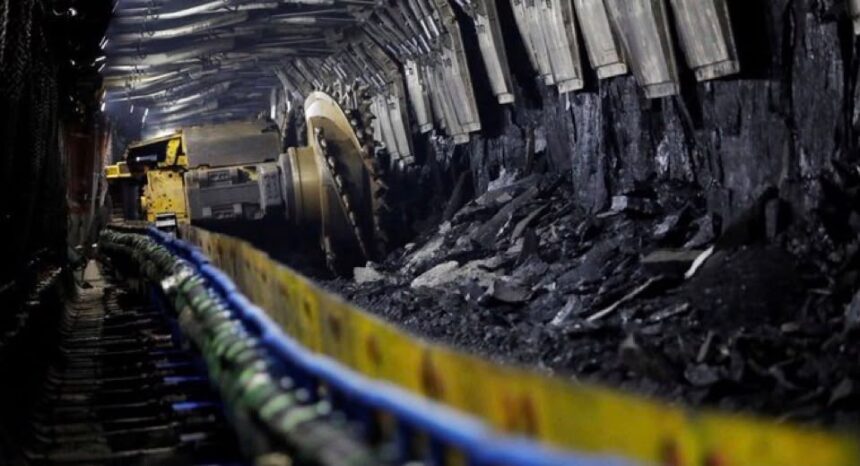
State media reports indicate that carbon monoxide levels exceeded safe limits, prompting an urgent response from emergency teams. Images circulating from the scene depict the challenging environment typical of deep coal operations, with heavy machinery operating in confined, dusty tunnels lined with support structures and debris.
Shanxi Province Faces Persistent Mining Challenges
More Read

Shanxi, China’s leading coal-producing region, supplies a significant portion of the nation’s energy needs. The province has long grappled with safety issues in its extensive network of underground mines, even as modernization efforts and stricter regulations have been implemented over the years.
This latest incident highlights recurring risks associated with toxic gas accumulations in coal seams. Carbon monoxide, an odorless and colorless byproduct of incomplete combustion or poor ventilation, poses a silent but deadly threat in these environments. Historical data from the region shows multiple past events involving gas leaks, roof collapses, and explosions, often resulting in significant loss of life despite ongoing safety improvements.
Broader Context of Coal Mining Safety in China
More Read

China has made notable strides in reducing mining fatalities through the closure of smaller, less regulated operations, the adoption of advanced monitoring technology, and enhanced emergency protocols. Yet challenges remain, particularly in high-output areas like Shanxi where production pressures can sometimes conflict with rigorous safety standards.
Experts point to factors such as geological complexities, aging infrastructure in some facilities, and the inherent dangers of extracting coal from deep seams. Government authorities typically launch thorough investigations following such accidents, often leading to accountability measures for mine operators and local officials.
Human and Global Implications
Families of the affected miners await news with heavy hearts as rescue operations unfold. The confirmed deaths have already brought sorrow to communities reliant on the coal industry for livelihoods. For those still trapped, every hour counts in the battle against time and deteriorating air quality.
This event serves as a stark reminder that, even in 2026, underground coal mining carries substantial occupational hazards. As the world transitions toward cleaner energy sources, incidents like this underscore the continued human cost associated with fossil fuel extraction in major producing nations.
Authorities have not yet released the full identity of the mine operator or detailed causes, but updates are expected as the situation develops. Rescue teams, equipped with specialized breathing apparatus and monitoring devices, remain on site pushing forward with determination.