

Pakistani mediators have reportedly helped break a deadlock in negotiations between the United States and Iran over the latter’s nuclear program. This development comes as both sides navigate a fragile ceasefire following recent regional conflicts. However, significant obstacles remain, including demands related to ending hostilities in Lebanon and unfreezing Iranian financial assets.
Pakistani officials have facilitated progress in these high-stakes talks. The involvement of Islamabad marks a notable shift in diplomatic efforts, positioning Pakistan as a key intermediary in one of the most volatile geopolitical flashpoints. While optimism exists that a deal could be closer than conflict, unresolved issues continue to complicate the path forward.
Pakistan’s Emerging Role as Diplomatic Broker
Pakistan’s mediation efforts have gained prominence in recent months. Field Marshal Syed Asim Munir, Pakistan’s army chief, and other high-level officials have shuttled between Tehran and other capitals, carrying proposals aimed at de-escalation. This role builds on Pakistan’s longstanding ties with Iran, including shared borders and historical relations, which provide unique leverage in bridging divides with the United States.
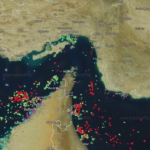
Analysts note that Pakistan has hosted talks and conveyed messages that helped restart stalled discussions. For instance, Iranian responses to US proposals have been routed through Pakistani channels, focusing on issues such as uranium enrichment limits and access to the Strait of Hormuz. This chokepoint remains critical for global energy markets, and any agreement would likely include guarantees for its secure operation.
The mediation aligns with broader US interests under the current administration, which has emphasized direct engagement while leveraging third-party facilitators. US officials have publicly praised Pakistan’s contributions, highlighting the country’s efforts to bring the parties closer to a framework agreement. Yet challenges persist. Key sticking points include Iran’s insistence on maintaining certain nuclear capabilities and the lifting of sanctions that have frozen billions in assets.
More Read

For more on the economic dimensions of these sanctions and their impact on global trade routes, see related coverage on Trump Rejects Iran’s Offer to Reopen Strait of Hormuz. Additional context on Iran’s domestic political stance can be found in Iranian Deputy Speaker Warns US Must Accept Tehran’s Demands.
Netanyahu’s Strategic Shift and Reduced Influence
Parallel to these diplomatic moves, Israeli Prime Minister Benjamin Netanyahu has adjusted his approach. Reports indicate he has moved away from direct planning for potential strikes toward relying on back channels and surveillance to monitor US-Iran negotiations. This shift reflects limited visibility into direct US engagements with Tehran, particularly those involving figures like Steve Witkoff.
Netanyahu’s political brand has long centered on his strong relationship with Washington and his ability to influence US policy on Iran. Recent developments challenge that narrative. Israeli officials have reportedly received only partial updates on the talks, forcing greater dependence on indirect intelligence gathering. This dynamic risks portraying Israel as sidelined in decisions that directly affect its security.
More Read

The situation carries domestic political weight for Netanyahu. With Israeli elections on the horizon, any perception that the White House is pursuing major regional arrangements without full coordination with Jerusalem could erode his support base. Critics argue this reduced coordination undermines claims of unmatched influence in Washington. For deeper analysis on evolving Israel-US ties, refer to Israel-UAE Alliance Strengthens Amid Iran Conflict, which explores shifting alliances in response to Iranian threats.
Background on US-Iran Tensions
The current negotiations follow a period of intense conflict. In early 2026, US and Israeli strikes targeted Iranian nuclear facilities after diplomatic efforts faltered. A ceasefire, mediated in part by Pakistan and others, took hold but remains tenuous. Core disputes revolve around Iran’s nuclear enrichment levels, its stockpile of near-weapons-grade uranium, and support for proxy groups involved in Lebanon and elsewhere.
The Trump administration has maintained a firm stance, insisting on verifiable curbs to Iran’s nuclear program before any significant sanctions relief. This includes demands for exporting or diluting highly enriched uranium and a long-term freeze on enrichment activities. Iran, conversely, seeks immediate economic concessions and rejects certain limitations as infringements on its sovereignty.
Regional ripple effects extend to Lebanon, where efforts to end ongoing hostilities form another pillar of the talks. Unfreezing financial assets is equally contentious, as it could provide Iran with resources to rebuild or bolster its influence through allies. Progress on these fronts remains incremental, with Pakistani mediators playing a pivotal role in keeping channels open.
Implications for Regional Stability and Israeli Politics
The evolving dynamics carry broad implications. A successful US-Iran deal could reshape Middle East power balances, potentially reducing tensions but also raising questions about Israel’s strategic positioning. Netanyahu’s government has prepared for multiple scenarios, including renewed military action if talks collapse. However, the emphasis on diplomacy through intermediaries signals a preference for de-escalation from the US side.
For Israel, the coming months will test Netanyahu’s ability to adapt. His security cabinet has discussed options, and public messaging continues to stress readiness. Yet the reliance on back channels highlights a gap in real-time influence that could feature prominently in electoral debates. Israelis may question whether past assurances of close US alignment still hold amid these indirect monitoring efforts.
More Read

Pakistan’s success as a mediator also underscores changing global diplomacy. A nation once focused on internal challenges now flexes geopolitical muscles, leveraging relationships with both Washington and Tehran. This could enhance Islamabad’s international standing but also expose it to risks if negotiations fail.
Outlook and Remaining Hurdles
While Pakistani efforts have injected momentum, the road to a comprehensive agreement is far from clear. Sticking points on Lebanon and assets require creative compromises. Both sides appear willing to continue talks, but deadlines and domestic pressures loom large. US officials have signaled appreciation for the mediation while cautioning that core security concerns must be addressed.
Observers watch closely for breakthroughs in the coming weeks. A framework deal could stabilize energy markets and reduce the risk of wider conflict. Failure, however, might renew calls for stronger measures. In this environment, Netanyahu’s pivot to intelligence-focused tracking reflects the high stakes not only for regional peace but also for his own political future.
This situation remains fluid, with diplomatic creativity from unexpected players like Pakistan offering a potential bridge. Yet fundamental differences between Washington and Tehran, viewed through the lens of Israeli security needs, ensure that any resolution will demand careful navigation. For ongoing developments in US policy responses, see additional Briefly USA coverage on related diplomatic shifts and economic pressures.