

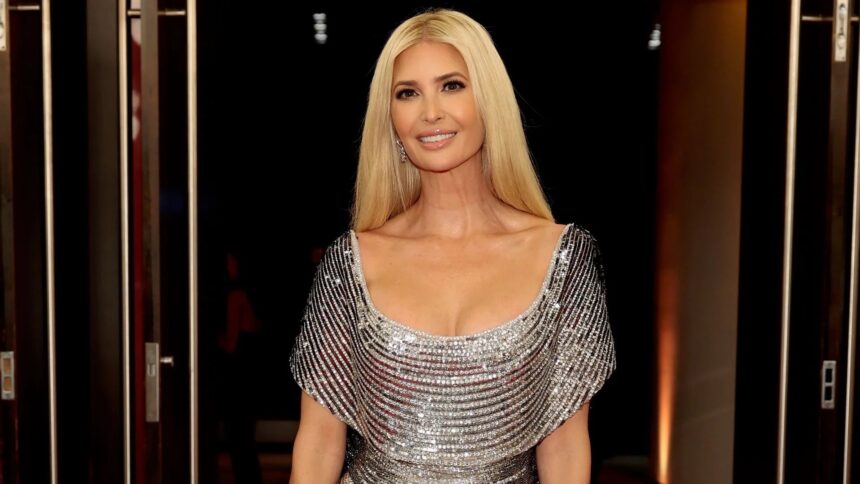
Washington, DC – According to an exclusive report by the New York Post, 44-year-old Ivanka Trump, the eldest daughter of President Donald Trump, was the target of an assassination plot orchestrated by a trained operative linked to Iran’s Islamic Revolutionary Guard Corps (IRGC). The alleged scheme is described as revenge for the 2020 US drone strike that eliminated Iranian military commander Qasem Soleimani.0
This revelation has intensified scrutiny on Iran’s ongoing proxy activities and the persistent threats posed by the IRGC against American officials and their families. It comes at a time of heightened global tensions, including US military operations in the Middle East and complex diplomatic maneuvers involving major powers.
President Trump has not yet issued a public statement on the report, but sources close to the administration indicate that such plots are taken with utmost seriousness. Ivanka Trump, who served as a senior advisor during her father’s first term and maintains a prominent public profile, converted to Orthodox Judaism and has been vocal on issues related to Israel and international security. Her visibility makes her a symbolic target for adversaries of the United States.
Details of the Alleged Plot and IRGC Involvement
The New York Post investigation reportedly uncovered evidence that an IRGC-linked individual was actively planning an attack on Ivanka Trump. Details remain limited to protect ongoing investigations, but the plot is said to involve trained operatives with potential support networks outside Iran. The IRGC, designated as a terrorist organization by the US, has a long history of extraterritorial operations, including assassinations and plots against perceived enemies.0
This incident fits a pattern of Iranian retaliation following Soleimani’s death. Soleimani, head of the IRGC’s Quds Force, was killed in Baghdad on orders from President Trump in January 2020. Iran vowed revenge at the time, launching missile strikes on US bases in Iraq and supporting proxy attacks across the region. For more on the evolving dynamics in US-Iran relations, analysts point to persistent proxy warfare and ideological motivations driving Tehran’s actions.
More Read

Security experts note that targeting family members represents a dangerous escalation in asymmetric warfare tactics. The IRGC has previously been linked to plots against US officials, dissidents, and allies, often using criminal networks or operatives in third countries for plausible deniability.
Broader Context of US-Iran Tensions and Middle East Conflicts
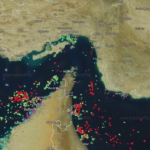
The alleged plot emerges amid ongoing US military engagements in the region. Recent operations, including efforts to secure key maritime routes like the Strait of Hormuz, have strained resources and heightened alerts for retaliatory actions. Iran’s nuclear ambitions, ballistic missile program, and support for groups such as Hezbollah, Hamas, and Houthis continue to destabilize the Middle East.
In this environment, the Trump administration has pursued a policy of maximum pressure combined with diplomatic outreach. For deeper insights into these global politics challenges, resources examine how great power rivalries intersect with regional flashpoints.
More Read

Ivanka Trump’s profile adds another layer. As a businesswoman, advocate for women’s economic empowerment, and mother, she symbolized aspects of the Trump family’s public image. Her conversion to Judaism and connections to pro-Israel circles have drawn ire from Iranian state media, which frequently denounces Israel and its supporters.
Implications for National Security and Family Protection
US intelligence agencies maintain constant vigilance over threats to high-profile figures. Plots against presidential family members are not unprecedented, but the involvement of a state actor like the IRGC elevates the stakes. Enhanced security measures for Ivanka Trump and other family members are likely already in place.
This development also raises questions about intelligence sharing and international cooperation. Allies such as Israel have long warned about IRGC global reach. Joint operations have thwarted several plots in recent years. For analysis of these security dynamics in US foreign policy, detailed reports highlight the need for sustained deterrence.
Critics of the report have dismissed it as potential propaganda or a pretext for further action against Iran. Skeptics on social media point to the timing and sourcing, urging caution. However, officials familiar with Iranian operations emphasize that such threats are credible given Tehran’s track record.
Diplomatic and Strategic Ramifications
The timing coincides with broader US efforts to manage multiple international crises. President Trump’s recent engagements with world leaders, including summits addressing trade, security, and regional stability, underscore the interconnected nature of these issues. In Sino-American relations, for instance, arms deals and flashpoints like Taiwan require careful balancing alongside Middle East priorities.
Iran’s economy faces severe pressure from sanctions, internal protests, and military expenditures. Yet the regime continues to invest in asymmetric capabilities, including cyber operations, drone swarms, and proxy militias. A nuclear breakout capability remains a core concern for Western intelligence.
More Read

Supporters of a firm stance argue that tolerating threats against American families signals weakness. They call for continued designation and isolation of the IRGC, alongside targeted sanctions on enablers. Others advocate for renewed diplomatic channels to de-escalate, though past negotiations have yielded mixed results.
Historical Precedents and IRGC Tactics
The IRGC’s Quds Force has orchestrated attacks worldwide. Notable cases include the 2011 plot against the Saudi ambassador in Washington and attempts on Iranian dissidents in Europe. Soleimani personally oversaw many such operations before his elimination.
Revenge narratives form a central pillar of Iranian propaganda. State media glorifies “resistance” against the US and Israel, framing Soleimani as a martyr. This rhetoric mobilizes hardline elements but also isolates Iran internationally.
For readers seeking context on China policy and its intersections with Middle East dynamics, platforms like brieflyusa.com offer comprehensive coverage. Beijing’s ties to Tehran, including potential oil imports and limited military cooperation, add complexity to US strategy.
Public Reaction and Political Fallout
Reactions to the New York Post report have been polarized. Some view it as justification for decisive action against Iran, while others question its veracity amid heightened geopolitical rhetoric. In Congress, bipartisan support for countering Iranian threats remains strong, though debates over military spending and priorities persist.
Ivanka Trump has largely stepped back from day-to-day politics but retains influence as an informal advisor. Her safety, along with that of the extended Trump family, is a matter of national concern given the president’s role.
Looking Ahead: Deterrence, Diplomacy, and Regional Stability
As investigations continue, the US must weigh responses carefully. Options range from additional sanctions and diplomatic pressure to kinetic measures if plots materialize. The goal remains preventing attacks while avoiding broader war.
This episode serves as a stark reminder of the personal costs of leadership in a dangerous world. Families of public figures bear unique burdens. It also highlights the enduring challenge of confronting state-sponsored terrorism in an era of hybrid threats.
Broader global politics trends show increasing use of proxies and targeted operations. From cyber intrusions to assassination attempts, adversaries test resolve through deniable actions. Strengthening alliances, intelligence capabilities, and domestic resilience is essential.
In the coming weeks, expect updates on security protocols and potential policy shifts. The Trump administration’s approach will likely blend toughness with strategic calculation, consistent with its record on Iran.
This alleged plot against Ivanka Trump underscores unresolved grievances from past confrontations and the IRGC’s global ambitions. As the US navigates multiple theaters, from East Asia to the Persian Gulf, maintaining credible deterrence while pursuing peace remains paramount. Understanding these US-China relations linkages and related international affairs helps contextualize the risks.
The story continues to develop, with implications for counterterrorism policy, family security, and America’s posture toward Iran. Vigilance and unity in the face of such threats are vital to safeguarding democratic values and national interests.