

Tel Aviv, Israel — Sirens wailed across Tel Aviv and other Israeli cities on Sunday as reports poured in of Iranian ballistic missiles streaking toward the country. Israeli air defenses sprang into action, lighting up the night sky with intercepts. This latest flare-up comes amid a fragile and repeatedly tested ceasefire, pushing the region closer to wider conflict after months of back-and-forth strikes involving Iran, Israel, and the United States.
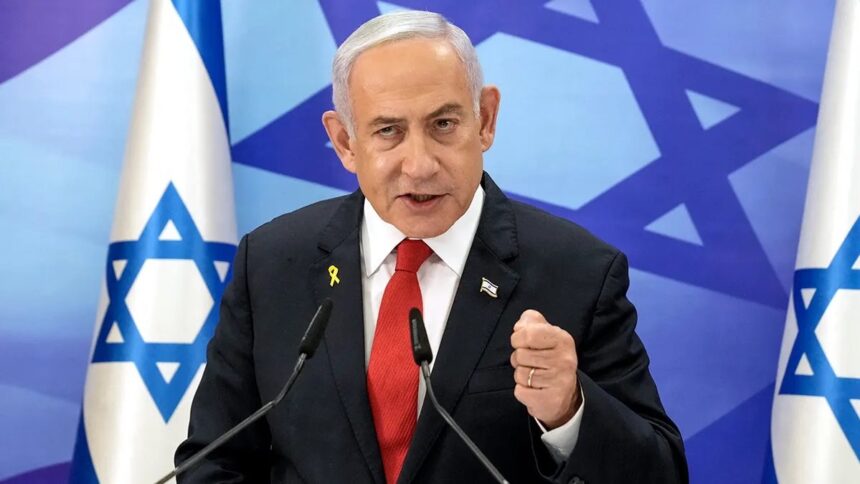
Social media lit up quickly with unverified claims. Influencer Mario Nawfal shared a post attributing to The Jerusalem Post the blunt headline “Iran will now be hit hard.” The accompanying image showed Israeli Prime Minister Benjamin Netanyahu speaking. Yet checks across major outlets, including the Post itself, turned up no such direct article or quote on June 7. The claim appears to reflect the heated mood rather than a confirmed report.
A Pattern of Ceasefire Violations
The current round of violence fits a troubling pattern. Earlier this year, the United States and Israel launched major operations against Iran starting in late February 2026. Those actions included strikes on Iranian military sites, nuclear facilities, and leadership targets. Iran responded with missile and drone barrages aimed at Israel and U.S. bases.
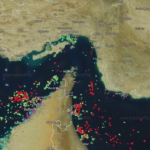
A temporary ceasefire took hold in April, brokered with help from third parties like Pakistan. It paused the most intense fighting in the Strait of Hormuz and along other fronts. But the agreement always looked shaky. Israeli operations continued against Hezbollah targets in Lebanon, and Iran accused the U.S. of violating terms in the Persian Gulf through its naval presence and blockade efforts.
More Read

On Sunday, an Iranian parliamentary official delivered a strong warning. The chairman of Iran’s Parliament National Security Committee stated that America’s actions in the Gulf, combined with Israeli moves against Palestine and Lebanon, left the “resistance front” with no choice but to respond in the “language of power.” That statement came just before fresh missile launches were reported.
Israeli Strikes and Iranian Retaliation
Israeli forces recently hit Hezbollah infrastructure in Beirut’s southern suburbs. Officials in Jerusalem described the action as a direct response to rockets fired from Lebanon that broke ceasefire terms. Lebanese reports spoke of casualties from those strikes. Hezbollah, backed by Iran, rejected parts of the U.S.-mediated Lebanon deal from earlier in the week.
More Read

Iranian missiles followed soon after. Witnesses and videos shared online showed projectiles over Israeli skies, with air defense systems like Iron Dome, David’s Sling, and Arrow engaging them. No immediate large-scale casualties were confirmed in Israel, though the psychological impact on civilians was immediate as people rushed to shelters.
Prime Minister Netanyahu has long warned that Israel would not tolerate threats from Iran or its proxies. In past addresses, he framed the campaign as necessary to dismantle Iran’s nuclear ambitions and regional terror network. Supporters see these operations as essential self-defense. Critics argue that repeated escalations risk dragging the United States and others into a broader war with unpredictable costs.
The Human and Economic Toll
This conflict has already dragged on for over 100 days. Thousands have died across the region, including civilians in Lebanon, Iran, and Israel. Economies feel the strain too. Oil prices swing wildly with each new incident because of threats to shipping lanes like the Strait of Hormuz. Global markets watch nervously as energy supplies, already tight, face further disruption.
In Israel, repeated siren alerts disrupt daily life. Schools close, businesses pause, and families huddle in safe rooms. In Iran, ordinary people deal with power shortages, economic hardship, and the fear of more strikes. Lebanese communities caught in the crossfire between Israel and Hezbollah suffer heavy damage to homes and infrastructure.
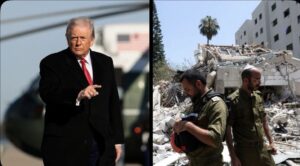
U.S. President Donald Trump has described the situation as nearing an end while keeping options open for stronger action. He has spoken about potential deals but also warned of devastating responses if Iran does not come to terms. His administration mediated recent ceasefire attempts, yet violations keep occurring.
More Read
What Comes Next?
Analysts point to several risks. Iran could escalate through proxies like Hezbollah or the Houthis, opening new fronts. Israel might launch deeper strikes into Iranian territory. The United States could find itself pulled in further to protect allies and secure shipping routes.
Regional powers such as Saudi Arabia and Gulf states stay on edge. They have faced Iranian attacks before and worry about being drawn into the fighting. Diplomatic channels through Oman, Qatar, and others remain active, but trust is low on all sides.
For now, Israeli officials promise a strong response. Iranian leaders signal they will not back down. The “resistance front” rhetoric suggests coordinated action among allied groups rather than isolated incidents.
A Region on the Brink
This latest exchange highlights how quickly calm can shatter. A single rocket from Lebanon or a perceived violation in the Gulf can restart the cycle. Years of hostility, proxy wars, and failed talks created the conditions for today’s violence.
Civilians on both sides pay the highest price. Families in Tel Aviv check alerts on their phones while parents in Tehran worry about blackouts and incoming threats. International calls for restraint grow louder, but so far they have not stopped the momentum toward more confrontation.
As night fell over the region on June 7, the immediate focus stayed on damage assessments and diplomatic damage control. Whether this becomes another short round of tit-for-tat or something larger remains unclear. What is certain is that the fragile ceasefires of recent weeks hang by a thread, and the stakes for miscalculation have never been higher.
The coming hours and days will test whether leaders can pull back from the edge or whether the cycle of strikes and retaliation will deepen further. For millions across the Middle East, peace feels as distant as ever.