

6-3 decision blocks lower court interference, putting roughly 350,000 Haitian nationals and thousands of Syrians on track for potential deportation as temporary status expires
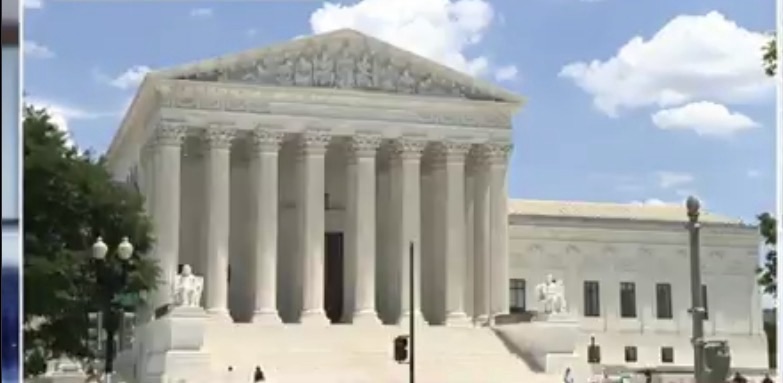
A single Supreme Court decision handed down June 25, 2026, has cleared the way for the Department of Homeland Security to terminate Temporary Protected Status for Haitian and Syrian nationals currently living and working legally in the United States. The 6-3 ruling in Mullin v. Doe lifts stays imposed by federal judges in New York and Washington, D.C., allowing the Trump administration to move forward with ending the designations.
The move directly affects approximately 350,000 Haitians and several thousand Syrians who have relied on TPS renewals for years. Legal experts note the decision also narrows avenues for similar challenges involving the broader TPS program, which currently covers roughly 1.3 million people from 17 countries.
What the Ruling Actually Says
The Supreme Court held that federal law creating the TPS program generally bars courts from second-guessing the Homeland Security Secretary’s determinations about conditions in foreign countries. In plain terms, judges cannot override the executive branch’s assessment of whether it remains unsafe for TPS holders to return home.
The majority opinion emphasized that TPS was always intended as a temporary measure, not a permanent backdoor to residency. Lower courts had previously blocked terminations for Haiti and Syria, but the high court found those interventions exceeded judicial authority.
More Read

For Haitian TPS holders, the Court also rejected claims that the termination was motivated by racial animus, finding insufficient evidence to overcome the presumption of regularity in agency action.
Immediate Practical Impact
Once the terminations take effect, affected individuals lose their legal work authorization and deportation protections. Many have built lives in the U.S. over years or even decades, with some families including U.S.-born children. Employers in sectors that rely on TPS workers agriculture, construction, hospitality, and healthcare are already bracing for workforce disruptions.
The ruling does not order immediate mass deportations. It simply removes the legal barrier that had prevented the administration from ending the program. Enforcement priorities, resource allocation, and individual case reviews will determine next steps.
More Read

Reactions Split Sharply Along Familiar Lines
Immigration advocates and Democratic lawmakers described the outcome as a humanitarian crisis, arguing that conditions in Haiti (marked by gang violence and instability) and parts of Syria remain dangerous. They warn of family separations and economic ripple effects in U.S. communities.
On the other side, supporters of stricter immigration enforcement celebrated the decision as a long-overdue restoration of the rule of law. They point out that TPS was never designed to become de facto permanent residency and argue that repeated extensions have undermined the program’s original temporary purpose. Social media lit up with commentary calling the ruling “justice” and urging full enforcement of existing immigration statutes.
One viral post captured the sentiment among many conservatives: Democrats were in “full meltdown mode” over a single ruling that could put hundreds of thousands of TPS holders at risk of removal a development framed not as cruelty but as the enforcement of laws that Congress itself wrote.
Broader Context for the TPS Program
While the immediate case involved only Haiti and Syria, the legal precedent is significant. The Court’s reading of the TPS statute limits judicial review across the board. This makes it harder for future challenges to block terminations for other nationalities if the Secretary determines country conditions have improved.
TPS itself dates back to 1990 legislation. It allows the executive branch to grant temporary relief to nationals of countries experiencing armed conflict, environmental disaster, or other extraordinary conditions. Designations must be reviewed periodically, and the program explicitly does not provide a path to citizenship.
The current administration has already moved to end TPS for multiple countries since returning to office in 2025, arguing that prolonged extensions contradict the temporary nature Congress intended.
What Comes Next
DHS is expected to begin implementing the terminations in the coming weeks or months. Individuals facing loss of status will have limited options: some may qualify for other forms of relief such as asylum (if they can prove individual persecution), adjustment through family or employment, or voluntary departure. Others will face removal proceedings.
Congress could still act by passing legislation to extend or reform TPS, but previous bipartisan efforts have stalled. For now, the Supreme Court has spoken: the executive branch, not the judiciary, holds primary authority over these foreign-policy-laden immigration determinations.
The decision underscores a core tension in U.S. immigration policy balancing humanitarian concerns with the legal reality that temporary programs are meant to be temporary. Enforcement of that boundary is now back in the hands of the administration charged with carrying out the nation’s immigration laws.