

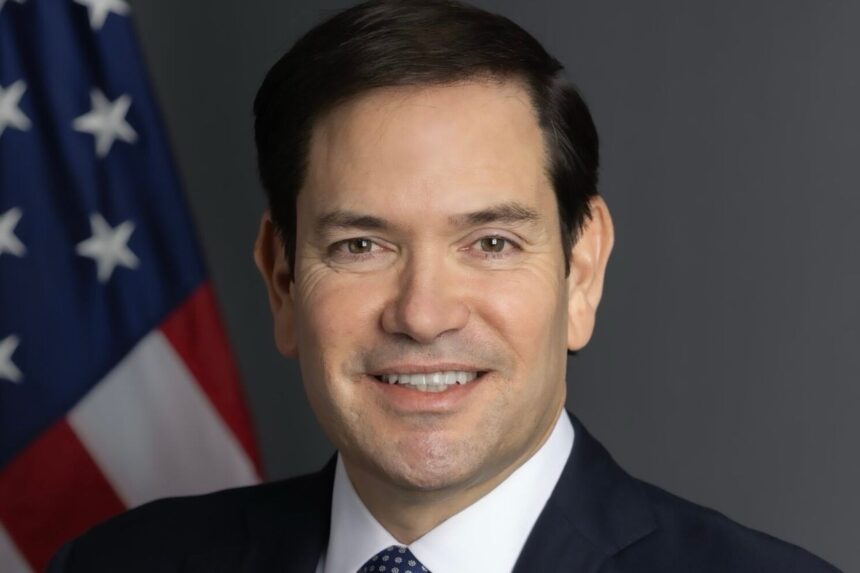
In a significant escalation against foreign influence activities, U.S. Secretary of State Marco Rubio has terminated the legal status of a longtime Cuban operative tied to the Cuban Institute of Friendship with the Peoples (ICAP). Carlos Antonio Lloga Dominguez, who spent more than a decade working for the organization, along with his wife and son, are now in federal custody pending removal from the United States.
This action follows Rubio’s earlier sanctions designation of ICAP under Executive Order 14404 in June 2026. The move underscores the Trump administration’s firm stance against Cuban communist subversion, propaganda, and intelligence operations on American soil.
Who Is Carlos Lloga Dominguez and What Role Did He Play?
According to the U.S. Department of State, Lloga Dominguez served as a foreign subversive for ICAP, the Cuban regime’s premier influence and intelligence front group operating in the United States. He maintained ongoing ties to the transnational communist subversion network even while residing in the U.S.
Federal agents apprehended the family this week after Rubio revoked their legal status. Officials described the operation as part of broader efforts to prevent Cuban regime operatives from using America as a base for anti-U.S. activities.
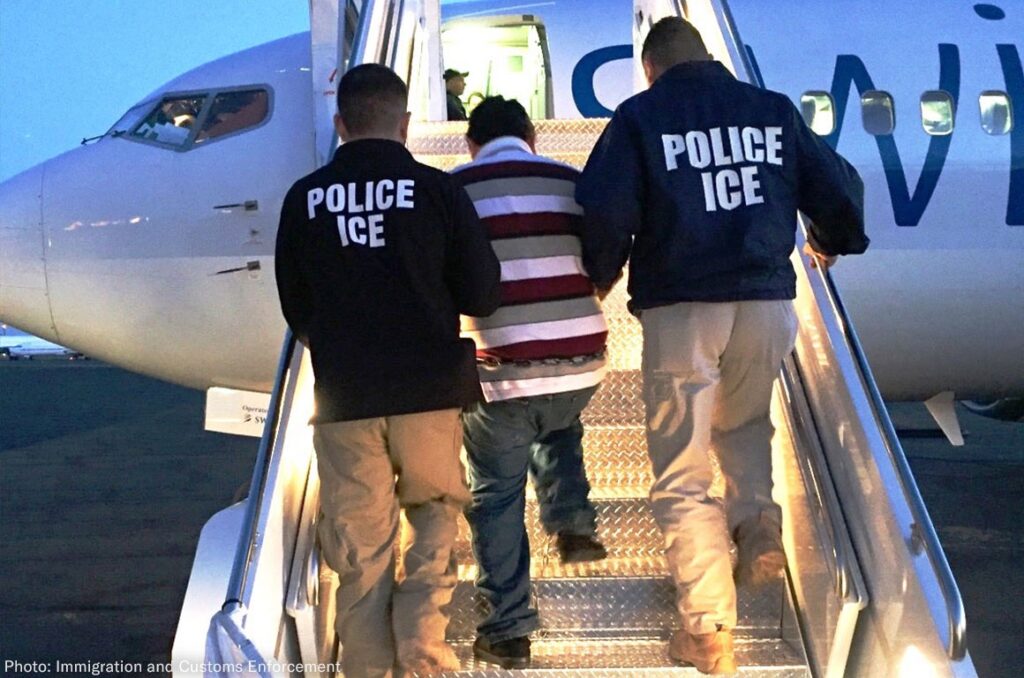
U.S. Immigration and Customs Enforcement (ICE) officers escort a detainee up the stairs of a charter aircraft during a routine deportation flight.
Source: U.S. Immigration and Customs Enforcement
ICAP: Cuba’s Longstanding Influence Machine
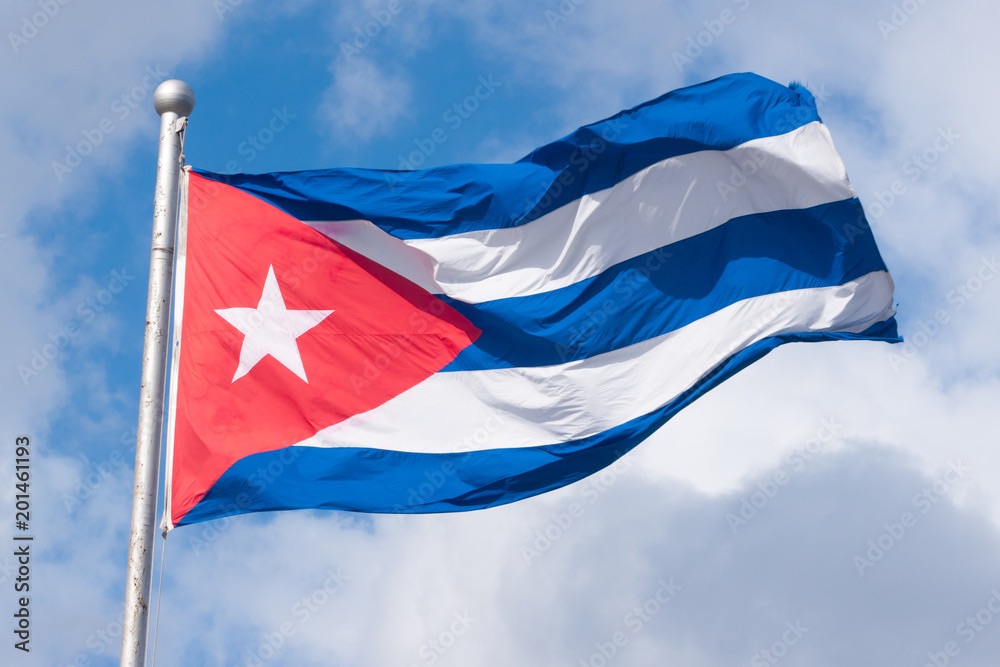
ICAP, founded by Fidel Castro in 1960, positions itself as a cultural and friendship organization but functions as a central hub for Cuban intelligence and influence operations. It claims connections to over 2,000 organizations across more than 150 countries.
More Read

Key details from U.S. government assessments include:
- Close coordination with Cuban intelligence services
- Promotion of anti-American propaganda
- Cultivation of pro-regime activists, politicians, and radical groups in the U.S.
- Lobbying efforts at federal, state, and local levels on behalf of the Havana dictatorship
ICAP’s current president, Fernando González Llort, is a convicted Cuban spy who served 15 years in U.S. prison as part of the Wasp Network spy ring uncovered in Florida in the late 1990s.
Source: Reuters / Associated Press
Broader Sanctions and Policy Shift
In June 2026, Rubio designated ICAP and several other Cuban entities under sanctions authorities tied to President Trump’s Executive Order 14404. These measures block ICAP’s property and interests in the U.S. and prohibit transactions with the organization without explicit authorization from the Treasury or State Departments.
More Read

The sanctions also targeted Cuba’s Ministry of the Revolutionary Armed Forces (MINFAR), the Committees for the Defense of the Revolution (CDR), and other entities involved in subversive activities.
U.S. officials have stated that the Trump administration will not allow Cuban regime operatives to operate freely in the United States. Any foreign nationals involved in ICAP’s activities can expect swift enforcement actions, including deportation proceedings.
What This Means for U.S. National Security
This latest development sends a clear message: the United States will not tolerate foreign governments running influence operations, spreading propaganda, or attempting to subvert American institutions from within.
By targeting both the organizational infrastructure (ICAP sanctions) and individual operatives (Lloga Dominguez deportation), the administration is dismantling networks that have operated for decades.
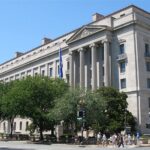
Source: U.S. General Services Administration / National Register of Historic Places
Official Statement from the State Department
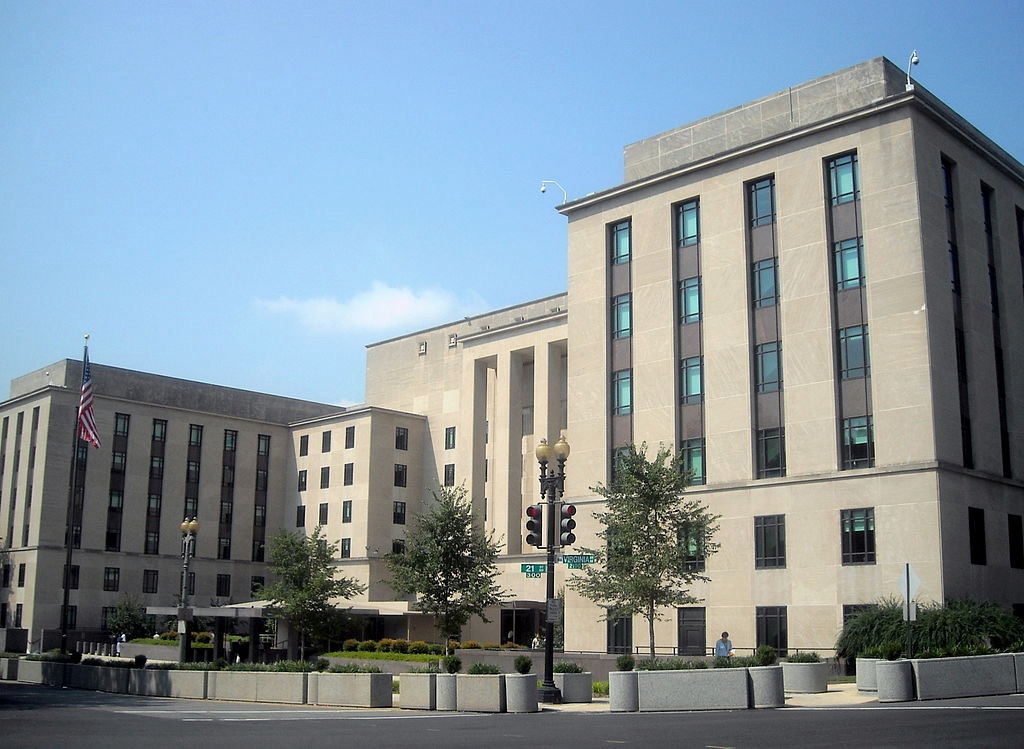
A July 1, 2026, press statement from the U.S. Department of State emphasized:
“Under the Trump Administration, America will never become home for Cuban Communist regime thugs who peddle propaganda, run foreign influence operations, or seek to wage revolution against American civilization. Any foreign aliens involved in ICAP’s anti-American subversion operations should expect to soon find themselves on an ICE deportation flight.”
More Read

Looking Ahead
The combination of sanctions and enforcement actions against ICAP-linked individuals represents a coordinated effort to counter Cuban regime influence in the United States. As more details emerge about ongoing investigations, additional actions against individuals and entities tied to Havana’s subversion networks are anticipated.
This development aligns with the administration’s broader foreign policy priority of holding adversarial regimes accountable and protecting U.S. sovereignty from foreign interference.