



Starting July 1, 2026, most California state employees must report to their offices at least four days a week under a new directive from Governor Gavin Newsom.
The policy shift ends much of the hybrid flexibility that became standard for public-sector workers after the COVID-19 pandemic. It applies to roughly 90,000 employees across state agencies, with the heaviest concentration in the Sacramento region.
Why the Change Now?
Newsom has pushed for greater in-person presence since 2024, first setting expectations at two office days per week before moving toward four. An earlier attempt to implement the stricter rule in 2025 was delayed during labor negotiations with unions. Those talks bought workers more time, but the four-day default is now in effect.
The governor’s office says the move will improve accountability, strengthen teamwork, and deliver better services to Californians. Officials also hope it will help revive foot traffic and economic activity in downtown Sacramento, where many state buildings are clustered.
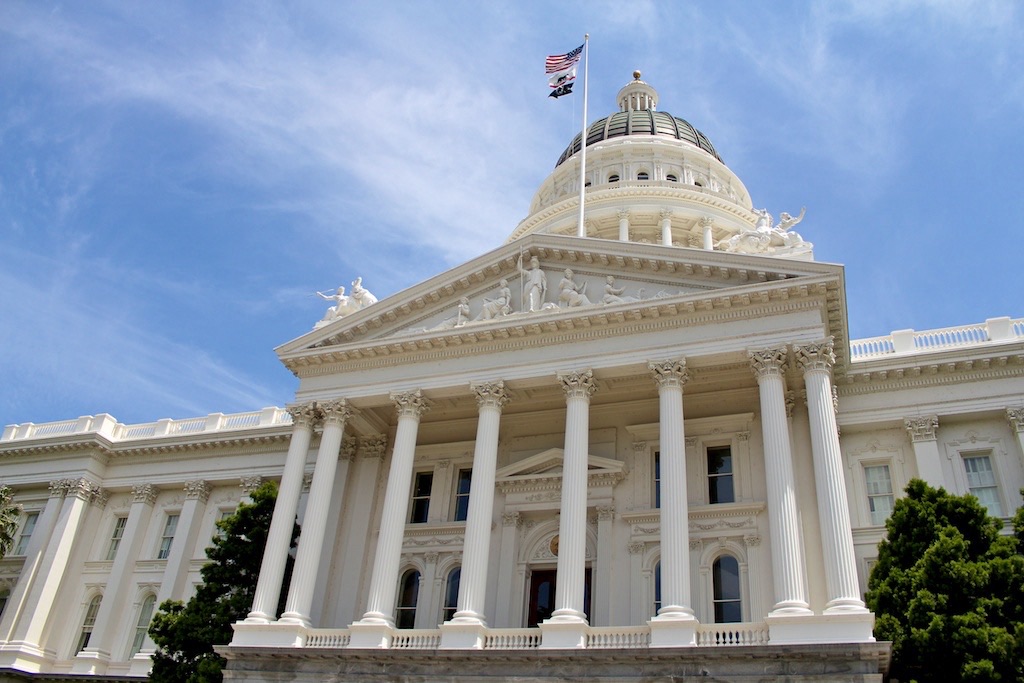
The white neoclassical facade and grand dome of the California State Capitol building stand prominently against a blue sky in Sacramento.
Source: California State Assembly Media Archive / National Park Service
What the Mandate Actually Means
State agencies with hybrid telework policies must now treat four in-office days as the default. Limited exceptions remain available on a case-by-case basis for medical needs, family responsibilities, or other qualifying circumstances.
More Read

Most of the affected workers are based in or near Sacramento, though the policy reaches employees in other parts of the state as well. Agencies are handling logistics internally, but the broad expectation is clear: more consistent physical presence at government offices.
Mixed Reactions from Workers and Unions
Public employee unions have been vocal in their opposition. They argue the mandate ignores the proven benefits of remote and hybrid work, including reduced commuting costs, lower stress, and improved work-life balance especially important in a high-cost state like California.
Some workers worry about longer commutes through congested traffic, higher gas and parking expenses, and challenges with childcare or eldercare. Others question whether the policy will actually improve productivity or simply recreate pre-pandemic routines without addressing underlying issues in government operations.
More Read

A union-supported bill that would have expanded telework protections advanced in the legislature earlier this year, but it does not override the governor’s executive authority on this issue.

Source: City of Sacramento Department of Economic Development / Sacramento Kings Media Relations
Broader Context on Return-to-Office Trends
California’s move fits into a wider national pattern. Many private companies and other government entities have scaled back remote options in recent years, citing needs for collaboration, culture, and oversight. At the same time, data from the pandemic era showed remote work often maintained or even boosted individual productivity while cutting commuting emissions and giving employees more control over their schedules.
For Sacramento specifically, the influx of state workers could provide a noticeable boost to local businesses around the Capitol and downtown core. Whether the policy leads to measurable improvements in government efficiency will likely take months to evaluate.
State agencies are now in the process of updating schedules and monitoring compliance. Employees are adjusting routines, some reluctantly, others with a sense that the post-pandemic experiment with widespread remote work is drawing to a close for California’s public workforce.
The four-day requirement marks one of the most significant policy resets for state government operations in years. Its long-term effects on recruitment, retention, and service delivery remain to be seen.