

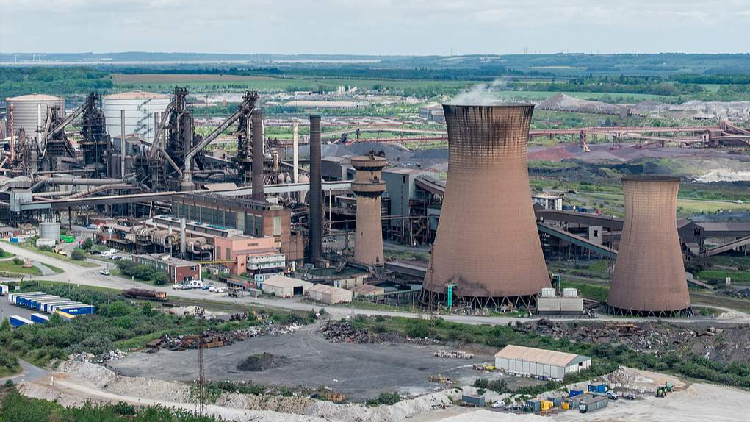
In a major escalation of the ongoing conflict between the United States and Iran, U.S. forces have struck the Darkhovin nuclear power plant site in southwestern Iran. The facility, located in Khuzestan province near the Karun River, remains under construction and is not yet operational.
What Happened
Reports confirm that American strikes targeted the Darkhovin site on July 19, 2026. The action forms part of broader U.S. military operations aimed at degrading Iranian capabilities following recent attacks on U.S. personnel and threats to commercial shipping in the Strait of Hormuz.
The Darkhovin facility had no nuclear fuel loaded at the time of the strike, significantly reducing the immediate risk of a radiation incident.
Background on the Darkhovin Nuclear Power Plant
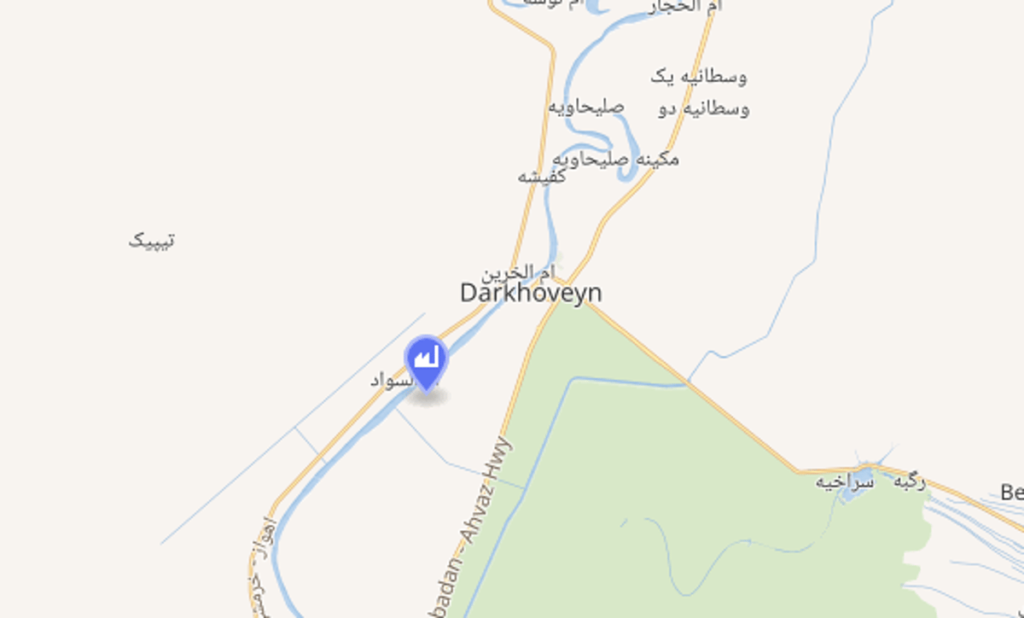
The Darkhovin Nuclear Power Plant (also referred to as Esteghlal or Karoon) is a planned 360-megawatt pressurized water reactor project. Construction on the first unit began in late 2022, with commercial operation originally targeted for around 2030.
- Location: Approximately 70 kilometers south of Ahvaz in Khuzestan province.
- Capacity: Designed for 360 MW (one unit confirmed under construction).
- History: Earlier plans involved international partners, including France and China, but the project advanced with Iranian domestic technology after delays.
The site represents Iran’s efforts to expand its civilian nuclear energy program alongside its existing Bushehr plant.
More Read

Context of U.S.-Iran Military Actions
This strike occurs against the backdrop of intensified U.S.-Iran hostilities that began earlier in 2026. Previous U.S. operations have targeted Iranian military infrastructure, missile sites, and other nuclear-related facilities to limit Tehran’s ability to threaten regional shipping lanes and project power.
U.S. Central Command has described recent strikes as responses to Iranian aggression against commercial vessels and direct attacks on American forces. Iranian authorities have reported damage to various sites, including power and logistics infrastructure in southern provinces.
Potential Implications
Because Darkhovin was still under construction without nuclear material on site, experts note the strike primarily affects infrastructure and construction progress rather than posing an immediate nuclear safety crisis. However, the action could further delay Iran’s nuclear energy development timeline.
More Read

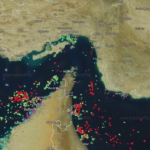
Analysts are monitoring Iranian responses and any potential impact on ongoing diplomatic efforts to de-escalate the conflict and reopen the Strait of Hormuz, which handles a significant portion of global oil shipments.
The situation remains fluid, with both sides continuing military posturing in the region. International observers, including the International Atomic Energy Agency (IAEA), are expected to assess any developments at Iranian nuclear sites.
Stay tuned for updates as more details emerge from official statements and on-the-ground reporting.