

The US military has quietly set up a shipping corridor through the Strait of Hormuz, enabling the transport of millions of barrels of oil each day despite ongoing conflict with Iran. Two US officials confirmed the details to Axios, describing the effort as a notable success while the broader war remains at a stalemate.
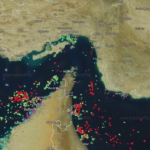
Under the operation, which has been active for several weeks, 15 to 20 tankers enter and exit the strait each night. They travel through a southern channel along the coast of Oman. Officials estimate that about 10 million barrels of oil per day now move out of the strait into global markets. That figure represents roughly half the pre-war volume. On some nights, exports have reached 15 to 20 million barrels.
The initiative goes beyond simple escorts for outbound tankers already loaded with oil. US forces also guide empty tankers from the Arabian Sea into the Gulf. These vessels load oil at regional ports before heading back out through the same corridor. One official with direct knowledge of the operation stated that the US has controlled the southern lane for about two months. “The Islamic Revolutionary Guard Corps can be a nuisance, but they don’t control the strait. We do,” the official said.
A task force based at Army headquarters in Fort Bragg, North Carolina, oversees the effort. It coordinates with Gulf partners and prepares daily schedules for both inbound empty tankers and outbound loaded ones. Ships move in organized groups during specific time slots under US military guidance. US Air Force fighter jets provide protection against Iranian drones and cruise missiles.
The corridor became feasible after a two-week US Central Command campaign degraded Iran’s radar and maritime surveillance systems. Iranian monitoring of the southern channel is now limited to a few reconstituted radars and spotters on small fast boats. As a result, Iranian forces often launch drones and missiles in a general direction rather than with precise targeting. US forces have intercepted multiple threats, including eight drones and two cruise missiles earlier this week.
More Read

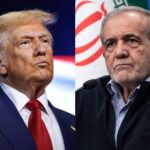
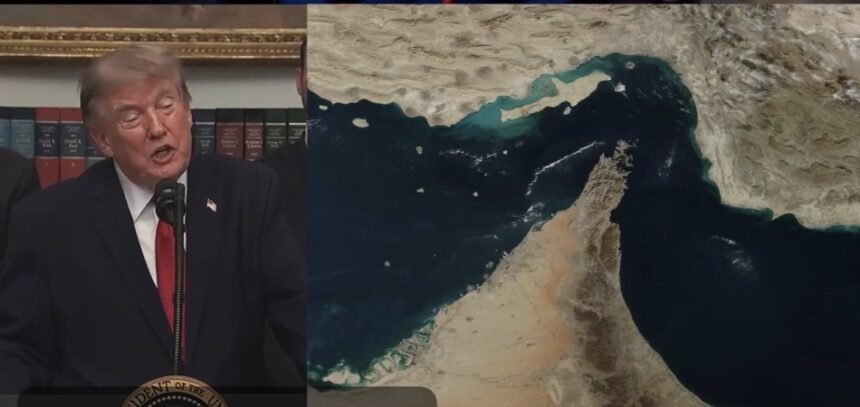
President Donald Trump told Axios that a tremendous amount of oil is coming out of the Strait of Hormuz. He added that the United States is not currently negotiating with Iran, calling further talks a waste of time.
The operation helps ease disruptions to global oil supplies that previously drove crude prices higher. While volumes remain below pre-war levels, the consistent flow through the southern corridor is making a measurable difference in energy markets. The development also comes amid broader discussions about expanding pipeline infrastructure to reduce long-term reliance on the strategic waterway.
This stealth approach keeps critical oil exports moving and supports global energy stability even as regional tensions continue.