


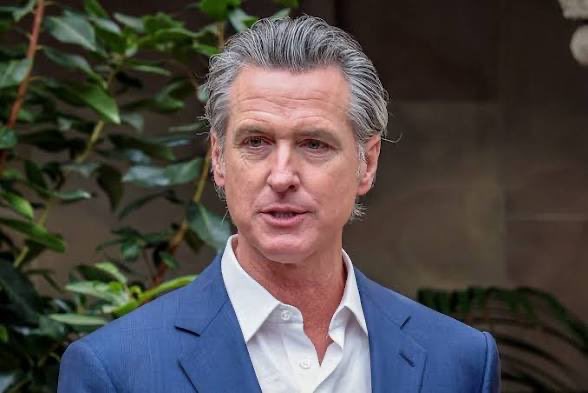
Viral video of mother’s call with doctor’s office sparks debate over minor consent rules and parental rights ahead of 2026 governor’s race
A California mother’s recorded phone conversation with her 11-year-old son’s doctor’s office has gone viral, highlighting a state law that limits parents’ access to certain parts of their child’s medical records once the child turns 12.
The video, shared widely on X (formerly Twitter) by user @Chicago1Ray on July 19, 2026, shows the woman reacting with visible shock and disbelief as staff confirm the policy. The post has already garnered thousands of likes, reposts, and comments, with the poster urging Californians to “vote for Steve Hilton like their life depends on it.”
What the Viral Video Shows
In the clip, the mother asks whether she will still have access to her son’s medical records once he turns 12. The response from the doctor’s office indicates that the child will then have greater control over his records, particularly for certain services. The mother covers her mouth in surprise, laughs in disbelief, and questions the policy, emphasizing she needs to hear it directly.
The original post states: “Parents can no longer have access to their child’s medical records once they turn (12).”
More Read

California Law on Minor Consent and Record Access
California law allows minors aged 12 and older to consent independently to specific categories of sensitive healthcare services without parental consent or notification. These include:
- Outpatient mental health treatment or counseling (when the provider determines the minor is mature enough)
- Substance use disorder treatment
- Reproductive and sexual health services (contraception, pregnancy prevention/treatment, STD testing and treatment)
- HIV/AIDS-related services
- Services related to intimate partner violence or rape
When a minor consents to these services, the associated medical records become confidential. Under California Health and Safety Code and Family Code provisions (strengthened by SB 1419, effective January 1, 2023), a parent or guardian (as the minor’s representative) is generally not entitled to inspect or obtain copies of records related to these minor-consented services without the minor’s authorization.56
Important clarification: Parents do not lose access to all medical records at age 12. They retain rights to records for routine care, general check-ups, or services the minor cannot legally consent to on their own. However, many healthcare systems automatically transition to limited “teen proxy” access in patient portals (such as MyChart) at age 12 to comply with confidentiality rules. This often restricts visibility of certain test results, appointments, or notes related to sensitive topics.6
More Read

Providers are encouraged to speak privately with patients 12 and older during visits to discuss confidential matters. Information from those discussions is shared with parents only with the minor’s permission or in cases of imminent harm, abuse, or neglect.
Why the Change at Age 12?
The policy aims to encourage teens to seek care for sensitive issues (mental health struggles, sexual health, substance use) they might otherwise avoid out of fear of parental reaction. Supporters argue it protects vulnerable youth and promotes honest communication with healthcare providers.
Critics, including many parents and conservative voices, contend that it undermines fundamental parental rights and could leave families unaware of serious health issues, medications, or treatments their children are receiving. They point out that parents remain legally responsible for their minor children until age 18.
Exceptions exist: Providers may disclose information if they believe it is necessary to prevent serious harm. Minors can also sign authorization forms to grant parents access to their records.
Political Angle: Steve Hilton and the 2026 Governor’s Race
The viral X post explicitly ties the issue to politics, calling on Californians to support Steve Hilton, the Republican candidate for governor in the November 2026 election. Hilton is running against Democrat Xavier Becerra.
Hilton’s campaign has focused on issues like affordability, reducing bureaucracy, and parental rights. While he has not issued a specific statement on this exact viral video as of publication, the post frames the medical records policy as part of broader concerns about government overreach in family matters.
More Read

What Parents Can Do
- Talk openly with your children about health and encourage them to involve you.
- Ask healthcare providers about proxy access options and minor authorization forms.
- Request records in writing when appropriate (subject to legal limits).
- Stay informed about your child’s overall care through direct communication with providers.
This story reflects long-standing California minor consent laws that have evolved over decades, with SB 1419 providing further clarification on record confidentiality in 2023. The viral video has reignited debate over the balance between teen privacy and parental involvement.
As the video continues to circulate, it serves as a reminder for California families to understand these rules before their children reach age 12. For the latest on the 2026 gubernatorial race and related policy discussions, voters are encouraged to follow official campaign sources and verified news outlets.