


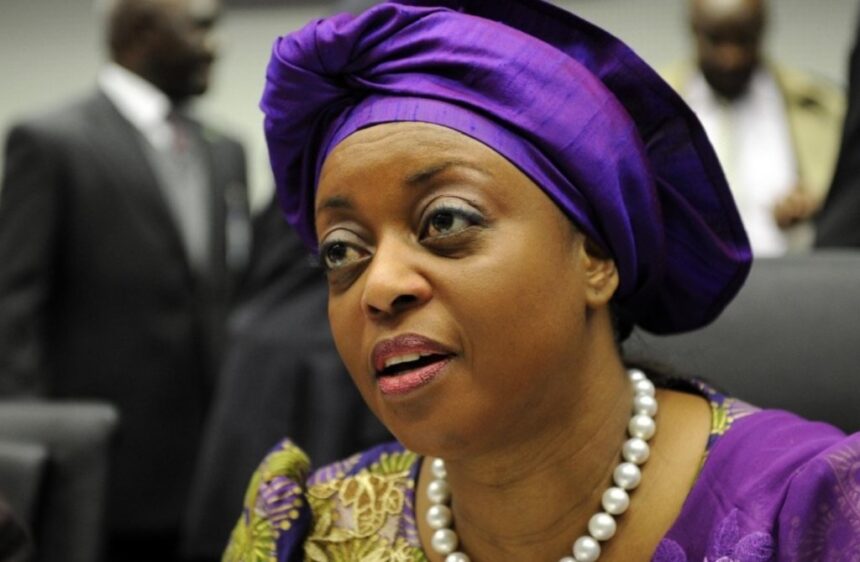
A London jury has cleared former Nigerian petroleum minister Diezani Alison-Madueke of all bribery charges following a lengthy trial at Southwark Crown Court. The 65-year-old was found not guilty on five counts of accepting bribes and one count of conspiracy to commit bribery.
The verdict came on June 17, 2026, after more than 46 hours of jury deliberations. The case, which began in late January, centered on allegations that she received luxury benefits from oil industry figures while serving as minister between 2010 and 2015.
Background on the Former Minister
Diezani Alison-Madueke rose to prominence as Nigeria’s first female minister of petroleum resources under President Goodluck Jonathan. She also chaired OPEC briefly during her tenure. Nigeria, Africa’s largest oil producer, has long grappled with corruption scandals in its energy sector, and her name surfaced repeatedly in investigations into the state-owned Nigerian National Petroleum Corporation.
She stepped down in 2015 after Jonathan lost the election. British authorities had been probing her for over a decade, and she faced separate allegations from U.S. officials in 2017 claiming she steered contracts in exchange for bribes, with proceeds allegedly laundered through American channels.
More Read

Throughout her career, Alison-Madueke maintained she operated with integrity and pushed back against systemic graft in a country where oil wealth has often fueled controversy.
What Prosecutors Alleged
British prosecutors from the National Crime Agency painted a picture of a lavish lifestyle in London funded by oil executives who stood to gain from government contracts. They claimed she accepted cash and perks including high-end shopping sprees, furniture and art purchases worth around $190,000 paid by intermediaries, stays in luxury homes, and even household staff costs covered by others.
More Read

One notable claim involved spending exceeding £2 million at Harrods, allegedly tied to businessmen seeking favorable treatment in Nigeria’s oil and gas sector. Prosecutors argued it was improper for a public official in her position to receive such advantages from people with direct interests in contracts awarded during her time in office.
They did not allege she personally rigged specific deals, but maintained the benefits created an improper relationship.
Two co-defendants stood trial alongside her: oil executive Olatimbo Ayinde, 54, and her brother Doye Agama, 69, a former archbishop. Ayinde faced charges related to bribing her and bribing a foreign public official. Agama was accused of conspiracy tied to payments involving his church. All three denied the accusations.
How the Defense Responded
Alison-Madueke took the stand and flatly rejected any suggestion of wrongdoing. She told the court she never solicited or received bribes and described herself as “Madame Due Process.” Her lawyers portrayed her as having limited real power over contract decisions, calling her essentially a “rubber stamp” for processes handled by others in government.
They argued that much of the spending in question was either reimbursed through official Nigerian channels for legitimate duties or paid from her own resources. The defense emphasized that no evidence showed contracts were awarded improperly because of any personal benefits.
More Read

The trial featured extensive evidence review and witness testimony over several months. Jury selection and preliminary matters stretched the process, with the main hearing running into May before deliberations began.
The Jury’s Decision
After nearly five months of proceedings, the jury returned unanimous not-guilty verdicts on all counts for Alison-Madueke and her co-defendants. The outcome surprised some observers given the high profile of the case and the resources invested by UK authorities.
Her legal team welcomed the result. One statement noted she could now “resume her private and public life with her reputation restored and enhanced” after enduring more than 11 years of separation from family and legal scrutiny.
The National Crime Agency offered no immediate public comment on the verdict.
Public and Political Reactions
News of the acquittal spread quickly across Nigeria and among diaspora communities. On social media, reactions split sharply. Some celebrated it as long-overdue vindication, describing her as a “boss lady” who navigated a complex system and emerged cleared. Others voiced frustration, questioning what happened to alleged public funds and suggesting the UK had become a safe haven for figures facing corruption claims back home.
Political angles surfaced too. Supporters of former President Jonathan’s administration saw the original charges as part of efforts to tarnish his government’s legacy. Critics of Alison-Madueke pointed to ongoing cases against her in Nigeria and wondered whether she might return and re-enter politics.
The verdict also sparked broader discussion about the effectiveness of international anti-corruption efforts targeting high-profile African officials. While some viewed it as justice served after a fair process, others called it a setback for accountability in Nigeria’s oil sector.
What Comes Next for Diezani Alison-Madueke
With the London case resolved in her favor, attention now turns to her next steps. She remains subject to separate investigations and proceedings in Nigeria, where authorities have pursued corruption allegations for years. U.S. claims from 2017 also linger in the background.
Her lawyers have signaled she intends to move forward with her life restored. Whether that includes a return to Nigeria or any public role remains to be seen. At 65, she has decades of experience in energy policy and international diplomacy that some observers believe could still prove valuable.
Nigeria’s oil industry continues to face scrutiny over governance and revenue management. High-profile acquittals like this one often reignite debates about due process versus the need for stronger enforcement against graft.
The London trial stands as one of the more closely watched corruption cases involving a former African energy minister in recent years. Its conclusion highlights both the challenges and limits of cross-border legal efforts in complex international investigations.
For now, Diezani Alison-Madueke walks free from the UK charges that defined much of the past decade for her. The full story of her career and the broader fight against corruption in Nigeria’s oil wealth is far from over.