

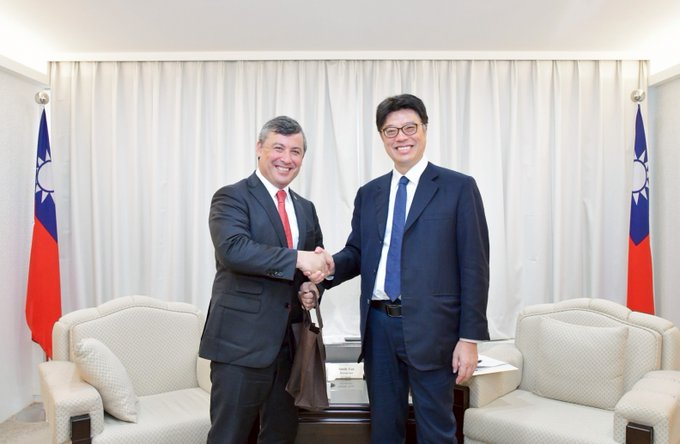
In a pointed display of parliamentary independence, Conservative MP and Foreign Affairs Critic Michael Chong traveled to Taiwan this week, meeting President Lai Ching-te despite explicit warnings from China’s ambassador that such engagements would damage Canada-China relations. The visit, which unfolded from May 18 to 21, has drawn sharp condemnation from Beijing while earning praise from figures like Michael Kovrig, the former Canadian diplomat detained by China for nearly three years as one of the “Two Michaels.”
Chong’s trip underscores ongoing tensions in Canada’s delicate balancing act between its longstanding “One China” policy and deepening unofficial ties with Taiwan, a vibrant democracy and key economic partner. As Prime Minister Mark Carney’s government seeks to stabilize relations with Beijing following high-level visits earlier in 2026, the opposition MP’s actions highlight partisan divides over how firmly Canada should push back against Chinese pressure.
Defiance and Diplomacy in Taipei
Upon arriving in Taipei on May 18, Chong made his intentions clear. “Canada is a sovereign and independent country, and we don’t take direction from a foreign government about where Canadian MPs can travel,” he told the Toronto Sun in an exclusive interview. He described the visit as both an act of solidarity with a democracy facing authoritarian intimidation and a direct response to China’s attempts to expand its influence.
On May 20, Chong met with President Lai Ching-te. According to Taiwan’s presidential office, the discussions focused on Taiwan’s role as a frontline democracy, its contributions to global health and international organizations like the World Health Organization, and opportunities to strengthen bilateral economic and technological cooperation. Lai thanked Chong for his consistent support of Taiwan’s international participation and democratic values.
Chong emphasized that Canadian parliamentarians have visited Taiwan for decades without issue. “They’re trying to move the goal posts,” he said of Beijing’s warnings, arguing that allowing foreign dictation would erode Canadian sovereignty. He also met with Taiwan’s trade representative and other officials to discuss investment protection agreements and people-to-people ties.
More Read
The timing is significant. In late April 2026, China’s Ambassador to Canada, Wang Di, warned in interviews that further MP visits to Taiwan or Canadian naval transits through the Taiwan Strait would harm recently improved bilateral relations. Beijing views such activities as crossing a “red line” under its interpretation of the One China principle.
Global Affairs Canada responded by affirming parliamentary independence: “Members of Parliament and senators have a longstanding practice of visiting Taiwan.” The department reiterated Canada’s adherence to the One China policy while noting robust unofficial ties with Taipei in trade, culture, and security.
Kovrig’s Perspective: Lessons from Detention
Michael Kovrig, a senior adviser with the International Crisis Group and survivor of 1,019 days of arbitrary detention in China alongside Michael Spavor (2018–2021), offered pointed analysis in a Global News interview. He framed Chong’s trip as a necessary assertion of Canadian autonomy against Beijing’s strategy of shifting “red lines.”
More Read
“Beijing claims Taiwan is part of China. It’s trying to condition everyone’s behavior to create the conditions in which it can annex Taiwan,” Kovrig said. He noted China perceives a window of opportunity amid perceived U.S. distractions and is leveraging restored diplomatic channels to extract concessions on Taiwan.
Kovrig, whose own ordeal stemmed from Canada’s arrest of Huawei executive Meng Wanzhou at the U.S. request, stressed that Canada’s One China policy does not equate to endorsing PRC territorial claims or barring unofficial engagement. “Chong’s meeting with President Lai isn’t a change in diplomatic recognition. It signals Canadian sovereignty,” he added. Canada should maintain stable PRC relations without internalizing Beijing’s demands or yielding to economic coercion.
Taiwan holds strategic value for Canada in semiconductors, trade (as a top partner), and shared democratic principles. Kovrig urged coordination with allies to preserve leverage in the Indo-Pacific.
Broader Context: Canada-China-Taiwan Triangle
Canada recognizes the People’s Republic of China as the sole legal government of China since 1970 but maintains no formal diplomatic ties with Taiwan. Unofficial relations thrive through the Canadian Trade Office in Taipei. Bilateral trade exceeds billions annually, with strong links in technology, education, and investment.31
Relations with Beijing have fluctuated. The “Two Michaels” crisis severely damaged ties. Under Carney, efforts to rebuild include high-level visits, but flashpoints persist: foreign interference inquiries, human rights concerns, and Indo-Pacific strategy emphasizing diversification away from over-reliance on China.
Chong, previously targeted by alleged Chinese interference (including a 2023 diplomat expulsion case), has long advocated a firmer stance. His visit aligns with Conservative criticism of perceived Liberal softness toward Beijing.
More Read

China’s embassy swiftly condemned the trip as violating the One China principle and harming relations. Spokespeople reiterated opposition to any official engagement with Taiwan.
Experts like defence policy analyst Joe Varner describe Beijing’s tactics as bullying designed to intimidate democracies preemptively. “Sovereignty is not something that’s just proclaimed, it has to be exercised,” Chong echoed.
Reactions and Implications
The visit has sparked debate in Canada. Supporters hail it as principled defense of values and autonomy. Critics question its timing amid Carney’s engagement efforts, suggesting it risks economic repercussions given China’s market importance. Some online commentary accused Chong of grandstanding or endangering trade.
In Taiwan, the reception was warm, reflecting Taipei’s push for international support amid military pressure from the mainland. President Lai has repeatedly stated Taiwan’s future must be decided by its 23 million people, not external forces.
For Canada, the episode tests its Indo-Pacific strategy. Freedom of navigation, support for democratic partners, and resistance to coercion remain priorities, yet economic interdependence demands pragmatism. Chong’s actions may embolden further parliamentary visits, while testing the limits of Carney’s China reset.
As tensions in the Taiwan Strait persist with regular Chinese military drills and gray-zone activities middle powers like Canada face pressure to clarify their positions. Kovrig’s call for discipline, clarity, and courage resonates: robust unofficial Taipei ties, freedom of navigation, and respectful Beijing management are not mutually exclusive but require resolve.
Chong’s visit may be that of one MP, but it reverberates as a statement on Canadian values in an era of great-power competition. Whether it strengthens deterrence or complicates diplomacy remains to be seen. For now, it stands as a reminder that sovereignty, once ceded, is difficult to reclaim.