

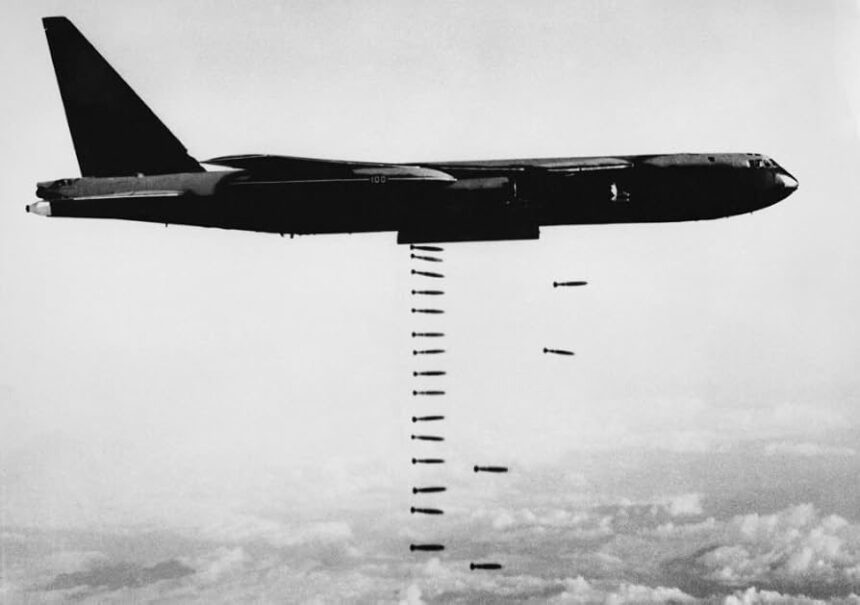
July 9, 2026 — U.S. Central Command (CENTCOM) has confirmed a second consecutive night of precision strikes on Iranian military targets, hitting approximately 90 sites at the direction of President Donald Trump. The operation targeted air defense systems, coastal surveillance assets, missile and drone storage sites, naval capabilities, and military logistics infrastructure along Iran’s coastline.
The strikes follow a similar round the previous night and come amid the collapse of a fragile ceasefire between the United States and Iran.
Official CENTCOM Statement
In an official release, CENTCOM stated: “U.S. forces struck approximately 90 Iranian military targets including air defense systems, coastal surveillance assets, missile and drone storage sites, naval capabilities, and military logistics infrastructure along Iran’s coastline. The latest strikes follow successful execution of offensive strikes in Iran the night before.”
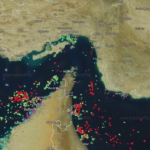
The command emphasized the goal was “to further degrade Iran’s ability to attack commercial shipping and innocent civilian mariners in the Strait of Hormuz.”
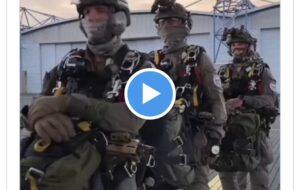
New footage of the strikes has circulated widely on social media, including video shared by conservative commentator Eric Daugherty, highlighting the scale of the operation against Islamic Revolutionary Guard Corps (IRGC) assets.
More Read

Background: Ceasefire Collapse and Renewed Conflict
The latest strikes occurred after President Trump declared the interim ceasefire with Iran “over,” citing Iranian attacks on commercial vessels in the critical Strait of Hormuz waterway.3
Earlier strikes on July 7 targeted over 80 Iranian positions, including more than 60 IRGC small boats, in direct response to those shipping attacks. Iran has since claimed retaliatory actions against U.S. interests in the region, including reports of strikes on bases in Bahrain and Kuwait.
This marks a significant escalation in the 2026 Iran conflict, which has involved naval tensions, shipping disruptions, and periodic exchanges of fire in the Persian Gulf and Strait of Hormuz.
More Read
What’s at Stake
The Strait of Hormuz remains one of the world’s most vital energy chokepoints, through which a significant portion of global oil supplies transit. Disruptions here have immediate implications for energy markets, shipping insurance rates, and regional stability.
President Trump has signaled that further action remains possible if needed, with some observers noting that infrastructure targets (such as power plants or bridges) have not been ruled out.
Iranian state media and officials have condemned the strikes, while U.S. officials frame them as necessary defensive measures to protect freedom of navigation and deter further aggression.
Outlook
As of Thursday morning, both sides continue to exchange accusations, with the situation remaining fluid. CENTCOM has released video compilations of the strikes, providing visual confirmation of the precision munitions used against military targets.
The developments come as international attention focuses on de-escalation efforts alongside the ongoing military operations.
Key Facts at a Glance:
More Read

- Targets hit: ~90 Iranian military sites (air defenses, missile/drone storage, naval/logistics infrastructure)
- Timeline: Second night of strikes (following ~80 targets the night prior)
- Trigger: Iranian attacks on commercial shipping in the Strait of Hormuz
- Authority: Directed by President Trump via CENTCOM
- Status: Ongoing regional tensions with potential for further escalation
This story is developing rapidly. Check back for updates as more details emerge from official sources.